

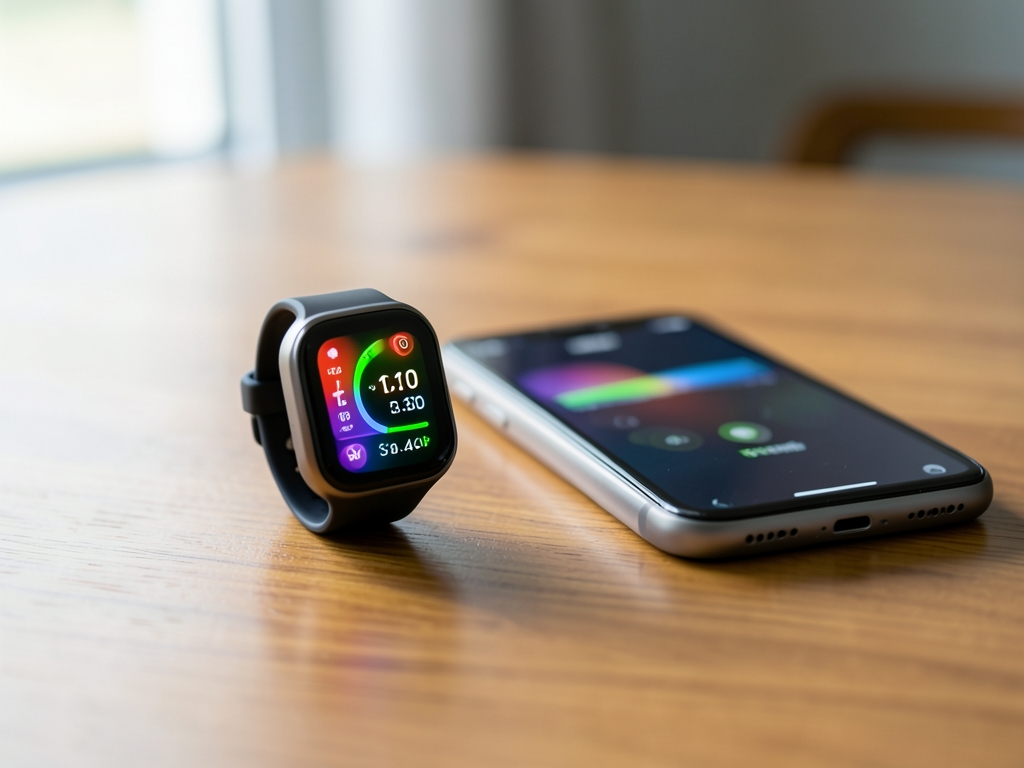
The wearable technology market continues to expand rapidly as manufacturers introduce devices that blend traditional fitness tracking with sophisticated smart capabilities. Google has added to its expanding ecosystem with the official release of the Fitbit Edge, a new device engineered to deliver high-end health monitoring, extended battery performance, and an enhanced visual interface. Designed for consumers across the United States, Europe, and international markets seeking a reliable daily companion, this new wearable brings substantial upgrades over previous generations without compromising on user-friendliness or aesthetic appeal.
As mobile ecosystems and companion smartphone apps become increasingly interconnected, modern wearables serve as vital extensions of our pocket devices. The Fitbit Edge arrives at a time when users demand deeper health insights, precise outdoor tracking, and uninterrupted multi-day usage. By balancing these competing engineering demands, Google aims to solidify its position in the competitive smart health and fitness accessory landscape.
Display Innovations and Visual Engineering
One of the most prominent hardware upgrades featured in the Google Fitbit Edge is its brand-new hybrid OLED display. Measuring 46 percent larger than previous comparable models, the screen provides ample viewing space for notifications, workout metrics, and real-time biometric readouts. The integration of hybrid OLED technology ensures deep blacks, vibrant color reproduction, and high peak brightness levels, allowing users to check their stats effortlessly under direct sunlight.
The enlarged canvas transforms how data is presented on the wrist. Instead of cramping text or forcing users to scroll through multiple restricted menus, the expanded interface accommodates comprehensive graphs, heart-rate zones, and map snippets. This visual clarity is particularly beneficial during intense physical workouts when quick glances are necessary. Furthermore, the adaptive refresh rate optimizes energy consumption, ensuring that the enhanced screen size does not come at the expense of daily endurance.
Battery Life and Power Management
Battery anxiety remains one of the primary hurdles for modern wearable technology. Many advanced smartwatches require nightly charging, which discourages continuous sleep tracking and 24-hour health monitoring. Addressing this common user friction point, the Google Fitbit Edge is engineered to deliver an impressive 7-day battery life on a single charge.
Achieving a full week of operation requires a delicate balance between efficient hardware components and intelligent software power management. The device utilizes optimized background processing, shutting down power-hungry sensors when the user is stationary or sleeping deeply, while instantly ramping up sampling rates during detected workouts. For international travelers, commuters, and busy professionals, a seven-day endurance window means chargers can safely be left behind during short trips and weekend getaways.
Precision GPS and Outdoor Tracking
For runners, cyclists, and outdoor enthusiasts, accurate location tracking is non-negotiable. The Fitbit Edge incorporates an upgraded precision GPS module designed to lock onto satellite constellations quickly and maintain stable connections even in dense urban environments or heavily wooded trails.
Traditional wearable GPS systems often struggle with multipath interference caused by tall buildings or dense foliage. The advanced positioning hardware in this new release minimizes drift and delivers reliable pace, distance, and route mapping. When paired with a compatible smartphone, users can review detailed post-workout maps within the companion app, analyzing split times and elevation changes with high fidelity.
Advanced Health Sensors and Biometric Monitoring
Beyond basic step counting and calorie estimation, modern wearables function as proactive health monitoring tools. The Google Fitbit Edge is equipped with a comprehensive suite of advanced health sensors designed to track critical physiological markers continuously throughout the day and night.
Continuous heart-rate monitoring forms the backbone of the device's wellness features, alerting users to unusual spikes or drops in resting heart rate. Additionally, integrated skin temperature sensors, blood oxygen monitoring, and advanced sleep-stage analysis provide a holistic overview of daily recovery and stress levels. These sensors work silently in the background, feeding actionable data into personalized wellness algorithms that help users make informed decisions regarding rest, exertion, and overall health maintenance.
Software Integration and Ecosystem Connectivity
Hardware improvements are only as effective as the software driving them. The Fitbit Edge integrates seamlessly with the broader Android and iOS ecosystems, offering smooth notification mirroring, quick-reply capabilities, and intuitive app navigation. Synchronization with the companion smartphone application is fast and reliable, ensuring that historical health trends are safely backed up and easily accessible.
The interface has been redesigned to match the enlarged display, featuring clean typography, modular watch faces, and gesture controls that respond fluidly to natural wrist movements. Whether tracking a morning run, managing daily schedule reminders, or reviewing weekly health summaries, the software experience remains cohesive and distraction-free.
Pricing, Global Availability and Market Positioning
Market positioning plays a crucial role in the success of any consumer electronics product. Priced competitively at approximately RM734.78 in equivalent regional currencies, the Google Fitbit Edge targets value-conscious consumers who desire premium features without paying flagship smartwatch prices. This strategic pricing model positions the device attractively against a crowded field of competitors from major tech brands.
Global rollout plans encompass key retail and online channels across North America and Europe, ensuring widespread availability for interested buyers. As consumer demand shifts toward comprehensive wellness tracking and extended battery endurance, this release offers a compelling option for upgraders and first-time wearable buyers alike.
| Feature / Specification | Google Fitbit Edge Details |
|---|---|
| Display Type | 46% Larger Hybrid OLED |
| Battery Endurance | Up to 7 Days on Single Charge |
| Location Tracking | Integrated Precision GPS |
| Health Monitoring | Continuous Heart Rate, SpO2, Skin Temperature |
| Approximate Price | ~RM734.78 Equivalent |
Practical Tips for Maximizing Wearable Performance
To get the most out of your new device, implementing a few straightforward maintenance and configuration practices can significantly enhance your user experience:
- Optimize Display Settings: Adjust screen brightness and screen-on duration to match your daily environment, preserving battery life during extended outdoor excursions.
- Keep Firmware Updated: Regularly check the companion smartphone app for official software updates that introduce performance improvements and security patches.
- Ensure Proper Fit: Wear the band snugly two fingers above your wrist bone during workouts to ensure accurate optical heart-rate readings and GPS lock stability.
What is the battery life of the Google Fitbit Edge?
The Google Fitbit Edge is engineered to deliver up to 7 days of continuous battery life on a single charge under normal usage conditions.
Does the Fitbit Edge feature built-in GPS?
Yes, the device includes an upgraded precision GPS module designed to accurately track outdoor workouts, running routes, and cycling paths without requiring a constant phone connection.
How much larger is the new display compared to previous models?
The hybrid OLED display on the Fitbit Edge is 46 percent larger, providing significantly more screen real estate for notifications, health metrics, and workout data.
What health sensors are included in the device?
The wearable features continuous heart-rate monitoring, blood oxygen tracking, skin temperature sensors, and advanced sleep-stage analysis to provide comprehensive wellness insights.
The introduction of the Google Fitbit Edge marks a meaningful step forward in the evolution of everyday fitness wearables. By combining a substantially larger hybrid OLED screen, a robust seven-day battery lifespan, precision satellite tracking, and comprehensive health sensors, Google has crafted a versatile device that meets the demands of modern users. Whether you are an avid runner, a data-driven fitness enthusiast, or simply someone looking to monitor daily wellness more effectively, this release delivers remarkable value and reliable performance.
