

The Food and Agriculture Organization (FAO) of the United Nations has issued an urgent call for expanded financial investment in global agrifood systems as extreme weather events increase in frequency and intensity worldwide. With prolonged droughts, torrential rainfall, severe heatwaves, and shifting climate patterns directly threatening crop yields and global food security, international agricultural leaders emphasize that current climate funding allocated to food production remains severely insufficient. Transforming agrifood infrastructure from vulnerable, reactive models into climate-resilient systems requires immediate capital injection, strategic policy realignment, and widespread technological deployment to protect both smallholder farmers and industrial agricultural networks across the globe.
The Growing Vulnerability of Global Agrifood Systems
Agrifood systems encompass the entire lifecycle of food—from cultivation, harvesting, and processing to transportation, distribution, and consumption. Because agricultural ecosystems depend fundamentally on predictable seasonal patterns, ambient temperatures, and reliable water availability, they are among the most sensitive economic sectors to atmospheric disruption. Recent years have seen unprecedented shifts in weather patterns that undermine traditional farming calendars and yield predictions across key agricultural regions in Europe, North America, Asia, and Africa.
Extreme heat and persistent precipitation deficits erode topsoil, accelerate land degradation, and deplete groundwater reserves vital for crop irrigation. Conversely, sudden intense rainfall and unexpected flooding cause massive topsoil erosion, wash away fertilizers, and destroy ripe crops prior to harvest. Beyond direct crop destruction, climate volatility exacerbates pest proliferation and crop disease transmission, forcing farmers to operate under heightened economic uncertainty while coping with escalating input costs.
| Climate Hazard | Direct Agrifood Impact | Primary Affected Regions | Required Infrastructure Solution |
|---|---|---|---|
| Severe & Prolonged Drought | Groundwater depletion, soil desiccation, crop failure | Mediterranean, Sub-Saharan Africa, US Southwest | Drip irrigation, drought-tolerant crop varieties, rainwater harvesting |
| Unseasonal Torrential Flooding | Topsoil erosion, crop submergence, supply chain blockage | South Asia, Central Europe, Southeast US | Terraced farming, raised beds, enhanced drainage networks |
| Extremely High Heatwaves | Pollen sterilization, livestock heat stress, reduced yields | Southern Europe, North American Plains, South Asia | Shade netting, climate-controlled barns, heat-resistant cultivars |
| Shifting Seasonal Monsoons | Disrupted sowing cycles, unpredictable harvest timing | Sub-Saharan Africa, East Asia, Latin America | Predictive meteorological tools, early warning systems |
The Disparity in International Climate Finance
Despite agricultural production being at the epicenter of climate risks, agrifood systems historically receive a disproportionately small fraction of global climate financing. According to analysis highlighted by the FAO, while food production accounts for a substantial share of global greenhouse gas emissions and suffers heavily from weather shocks, international financial flows dedicated to climate adaptation in agriculture represent only a minor percentage of overall environmental investment funds.
This financing gap leaves millions of farmers—particularly smallholders in developing countries who produce a significant portion of the world's food supply—without access to the capital required to adopt modern, resilient practices. Upgrading irrigation networks, acquiring drought-tolerant seed varieties, purchasing micro-insurance policies against crop failure, and constructing climate-resilient storage facilities all demand upfront capital investments that are frequently beyond the financial reach of individual farming communities.
Agrifood systems sit on the frontlines of climate impacts. Without targeted, scaled-up financing that reaches smallholders and industrial producers alike, rising weather volatility will continue to destabilize regional economies and global food security.
Key Strategic Interventions for Agrifood Resilience
Addressing the challenges outlined by the FAO requires a multi-pronged approach that combines ecological stewardship with modern agricultural science. Channeling financial support into actionable, science-based agricultural practices is critical for safeguarding yields under increasingly hostile atmospheric conditions.
1. Soil Health and Regenerative Agriculture
Soil functions as the primary reservoir for water and nutrients essential to plant growth. Intensive, conventional tillage practices often leave soil bare and vulnerable to wind and water erosion, deteriorating its organic matter over time. Regenerative techniques—such as cover cropping, crop rotation, and reduced-till or no-till farming—help build resilient soil structures capable of retaining moisture during dry spells and absorbing excess water during heavy downpours.
2. Water Harvesting and Precision Irrigation
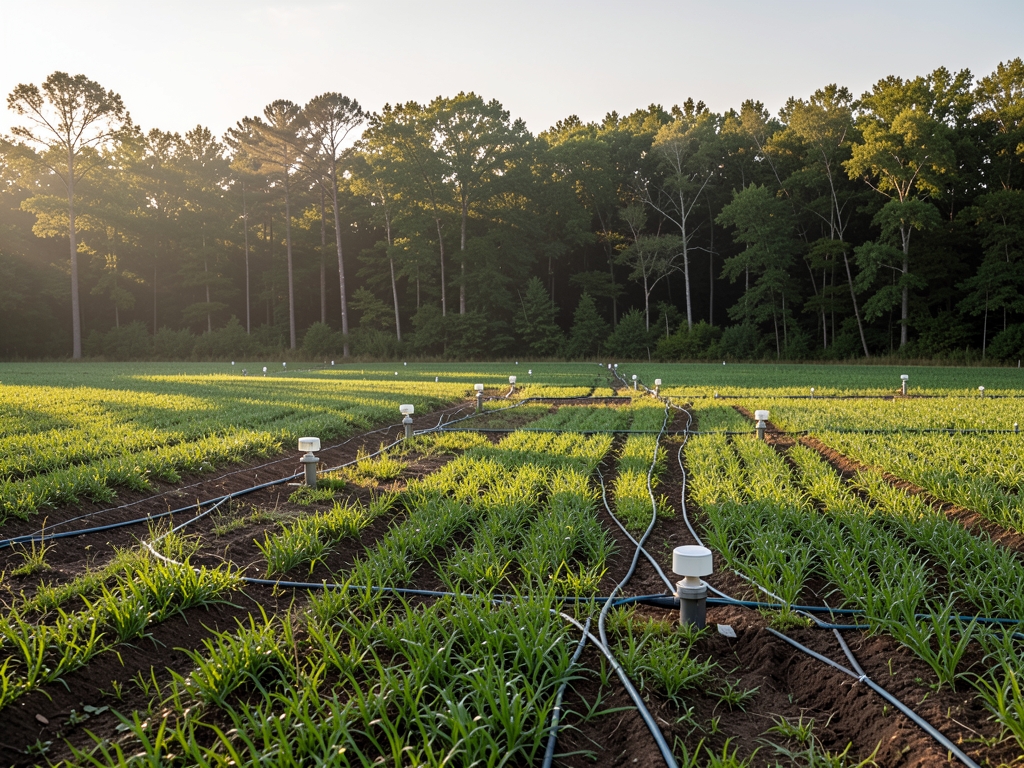
Water scarcity represents one of the most critical threats facing modern agriculture. Traditional flood irrigation systems lose substantial water volume to evaporation and runoff. Financing precision irrigation solutions, such as micro-drip systems and solar-powered sensors, ensures water is delivered directly to plant root zones with minimal waste. Additionally, constructing community-scale rainwater harvesting basins allows agricultural zones to store seasonal excess water for use during dry periods.
3. Crop Diversification and Genetic Adaptability
Monoculture farming increases vulnerability to extreme weather events and rapid pest outbreaks. Encouraging farmers to diversify crop varieties spreads ecological and financial risk. Furthermore, public research institutions require dedicated funding to develop and distribute non-GMO and biotechnology-derived crop varieties bred specifically to tolerate thermal stress, salinity, and water deficits without compromising nutritional yield quality.
4. Post-Harvest Preservation and Supply Chain Logistics
A significant percentage of harvested food is lost before reaching consumers due to inadequate storage, improper cooling, and transportation bottlenecks. High temperatures accelerate food spoilage during transit. Investing in localized cold-storage facilities powered by renewable energy and fortifying transport infrastructure against climate disruptions reduces post-harvest losses, helping maintain steady food supplies even during regional weather crises.
Info! Implementing sustainable agrifood solutions not only shields crops from extreme weather but also enhances carbon sequestration in agricultural soils, contributing directly to broader global emission reduction targets.
Comparing Regional Agricultural Resilience Challenges
The impact of climate volatility on food production varies significantly across regions, requiring tailored financial and technological strategies suited to local geographic and economic realities.
Europe and the Mediterranean Basin
In Europe, rising summer temperatures and prolonged dry spells in the Mediterranean basin have put intense pressure on traditional crops such as olives, grapes, and grains. European policy initiatives under the EU Common Agricultural Policy (CAP) increasingly prioritize eco-schemes and water management regulations. However, farmers face strict regulatory standards alongside volatile energy and input costs, making targeted subsidies for technological modernization essential for preserving competitiveness and ecological balance.
North America
In the United States and Canada, intense weather fluctuations range from severe multi-year droughts in the western regions to extreme atmospheric river events along coastal zones. American producers rely heavily on commercial crop insurance networks, advanced machinery, and precision data analytics to manage risk. Yet, depleted aquifers such as the Ogallala and declining river basin levels highlight the urgent necessity for long-term water conservation infrastructure over short-term economic relief measures.
Developing Agrarian Economies
In Sub-Saharan Africa, South Asia, and parts of Latin America, agricultural sectors rely predominantly on rainfed farming practiced by smallholders. Severe weather disruptions in these regions frequently trigger acute food insecurity and economic hardship. For these producers, international financial support must emphasize accessible micro-loans, affordable crop insurance, localized weather forecasting services, and community-managed water collection systems.
Why is the FAO calling for increased agrifood financing now?
The FAO is calling for increased financing because intensifying extreme weather events such as droughts, floods, and heatwaves are eroding crop yields and threatening global food security, while agrifood systems currently receive a very small percentage of international climate adaptation funding.
What are the main weather extremes affecting global crop production?
The primary climate hazards impacting farming include prolonged droughts, sudden flash flooding, severe atmospheric heatwaves, unseasonal frosts, and shifting seasonal monsoons that disrupt planting and harvesting schedules.
How does sustainable agrifood financing help smallholder farmers?
Targeted financing grants smallholders access to drought-tolerant seeds, modern drip irrigation technology, crop insurance, solar-powered storage, and training in soil conservation, reducing their vulnerability to severe weather shocks.
Can agrifood system investments also help reduce greenhouse gas emissions?
Yes, adopting regenerative agricultural practices, reducing post-harvest food waste, improving soil organic matter, and optimizing fertilizer application lower the agricultural sector's overall carbon footprint while building resilience against climate impacts.
The Path Ahead: Mobilizing Capital for Climate-Resilient Agriculture
Securing the future of global food production requires moving beyond crisis-management funding toward proactive, long-term capital investments in agrifood infrastructure. Multilateral development banks, national governments, and private financial institutions must collaborate to streamline capital flows to farming communities worldwide. By prioritizing soil restoration, water efficiency, research into resilient crop varieties, and robust post-harvest infrastructure, international policymakers can transform vulnerable agricultural sectors into reliable engines of ecological sustainability and food security in an era of changing atmospheric patterns.
