

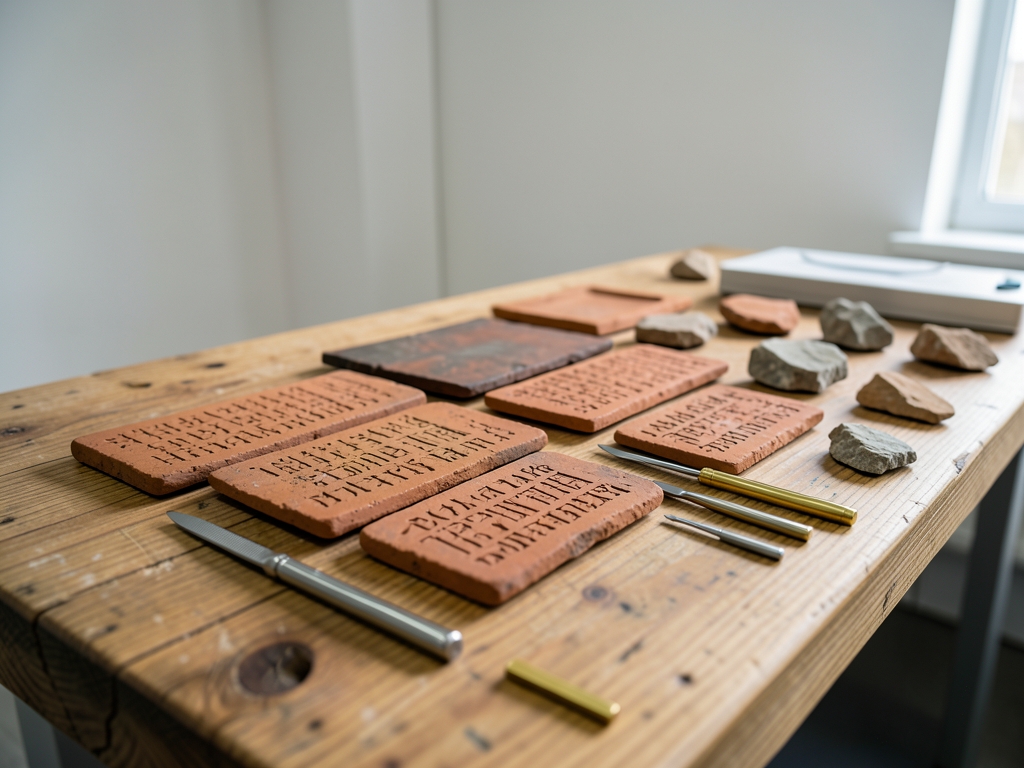
Archaeological discoveries frequently alter our understanding of ancient civilizations, bringing long-forgotten empires back into the light of modern scholarship. Recent excavations have yielded an extraordinary treasure within the ancient heartland of Anatolia: a monumental cache of 184 cuneiform tablets recovered directly from the legendary Hittite royal archives. This remarkable find provides historians, linguists, and researchers across Europe, the United States, and the wider international community with unprecedented primary evidence regarding the administrative machinery, diplomatic correspondence, religious ceremonies, and socio-economic struggles of one of antiquity's most influential superpowers.
The Hittite Empire dominated vast portions of the ancient Near East during the Late Bronze Age, rivaling ancient Egypt, Assyria, and Babylon. Unlike stone monuments designed solely for public display and imperial propaganda, cuneiform archives function as the administrative memory of a state. These newly analyzed clay tablets record daily governance, legal disputes, military strategies, economic treaties, and urgent crisis management during periods of widespread regional turmoil. By examining these fragile artifacts, contemporary scholars can peer behind the monumental facades of temples and palaces to understand how ancient societies responded to environmental pressures, epidemics, and geopolitical conflict.
The Geographical and Historical Context of the Hittite Civilization
To fully appreciate the significance of the 184 newly recovered tablets, one must examine the historical landscape of the Hittite world. Centered primarily at the grand capital of Hattusha near modern-day Boğazkale in north-central Türkiye, the Hittite civilization bridged the cultural divides between Mesopotamia, the Aegean, and the Levant. Their society was characterized by a sophisticated legal system, advanced metallurgical techniques, and a distinctive pantheon of thousands of deities.
Hittite history is generally divided into three major chronological phases: the Old Kingdom, the Middle Kingdom, and the New Kingdom or Empire period. During the Empire period, particularly under rulers such as Suppiluliuma I and Hattusili III, the Hittites expanded their borders across Anatolia and northern Syria, leading to intense diplomatic and military rivalry with New Kingdom Egypt. This rivalry culminated in famous conflicts like the Battle of Kadesh and the subsequent drafting of one of the world's earliest surviving peace treaties. The royal archives preserved at imperial administrative centers served as the central repository for these high-stakes diplomatic exchanges, international treaties, and internal royal decrees.
Deciphering Cuneiform: From Clay to Historical Narrative
Cuneiform writing, characterized by its distinctive wedge-shaped impressions made on wet clay with a reed stylus, originated in ancient Mesopotamia. The Hittites adopted and adapted the cuneiform script to write their own Indo-European language, known today as Hittite, while also utilizing Akkadian as the international diplomatic lingua franca of the Bronze Age. Furthermore, the scribes employed hieroglyphic Luwian for specific monumental and administrative contexts.
The process of unearthing, conserving, and translating these tablets requires immense scientific precision and multidisciplinary collaboration. When fresh clay tablets are excavated, they are often fragile, fragmented, and encrusted with centuries of mineral deposits and soil. Conservators must stabilize the material carefully before epigraphers can begin the painstaking task of reading the ancient signs. Because many tablets are broken into multiple pieces, scholars frequently spend years matching fragments based on handwriting styles, subject matter, and clay composition.
Info! The translation of Hittite cuneiform relies on decades of comparative linguistic research pioneered by early twentieth-century scholars who successfully unlocked the grammar and vocabulary of the extinct Indo-European language.
The newly cataloged texts from the royal archives cover a remarkable breadth of subjects. While some tablets deal with mundane administrative accounting, such as grain shipments, livestock inventories, and textile distribution, others offer breathtaking insights into imperial diplomacy, religious rituals, and crisis management.
What the New Tablets Reveal About Epidemics, Wars, and Imperial Survival
Recent archaeological analyses highlighting the content of the Hittite archives have emphasized how vulnerable ancient states were to systemic shocks. Historical records preserved within the archives document prolonged periods of warfare compounded by devastating epidemics that swept across Anatolia and the broader Near East during the Late Bronze Age.
In several newly examined administrative letters and royal prayers, officials describe severe public health crises that disrupted military campaigns, depleted agricultural labor forces, and strained the central government's resources. These texts reveal that Hittite rulers frequently sought divine intervention through elaborate rituals, national penances, and diplomatic appeals to neighboring courts, attributing widespread illness to divine displeasure or moral failings within the kingdom.
| Archive Category | Primary Subject Matter | Historical Significance |
|---|---|---|
| Diplomatic Correspondence | Treaties, letters to foreign kings, alliances | Illuminates international relations across the Bronze Age Near East |
| Religious and Ritual Texts | Festivals, mythology, purification rites | Provides deep insight into Hittite theology and cultural practices |
| Administrative Records | Economic inventories, taxation, land grants | Demonstrates how the imperial economy functioned during crises |
| Legal and Judicial Codes | State laws, punishments, property disputes | Reflects societal norms and the evolution of ancient jurisprudence |
These documents challenge the romanticized notions of ancient empires as invulnerable monoliths, painting instead a picture of resilient administrators desperately navigating a fragile world marked by shifting climate patterns, supply chain disruptions, and human conflict.
Preservation, Digital Archives, and Modern Heritage Protection
The discovery and excavation of artifacts from Hittite sites are governed by rigorous international standards and collaborative agreements involving archaeological institutions, universities, and cultural heritage ministries. Once tablets are documented and conserved, modern technology plays a vital role in their preservation and study.
High-resolution 3D scanning, photogrammetry, and advanced digital imaging allow epigraphers to examine microscopic wedge impressions that are difficult to read with the naked eye. Furthermore, digital epigraphy enables international teams of scholars to collaborate across continents, sharing high-fidelity digital models of tablets without risking damage to the fragile originals during transit.
Public access to these findings has also expanded significantly. Museums and research portals across Europe and the United States frequently feature digital archive repositories where students, historians, and enthusiasts can view high-resolution photographs, transliterations, and translations of key Hittite texts.
The recovery of ancient texts is not merely an academic exercise; it is an act of cultural rescue that reconnects modern humanity with the voices, thoughts, and struggles of those who walked the earth millennia ago.
The Broader Impact on Bronze Age Studies
The influx of new primary sources from Anatolia reinforces the interconnected nature of the Late Bronze Age Mediterranean and Near Eastern world. Trade networks spanned from the Aegean islands and mainland Greece all the way to Mesopotamia and the Nile Valley. Raw materials such as copper, tin, ivory, and lapis lazuli moved across vast distances, supported by sophisticated bureaucratic frameworks and guarded sea and land routes.
When these networks experienced systemic collapse around the end of the thirteenth century BCE due to a combination of internal rebellions, external invasions, and environmental shifts, empires like the Hittites fractured and faded from historical memory until modern archaeology rediscovered their ruins. Every newly unearthed tablet acts as a vital puzzle piece, helping researchers understand why these mighty civilizations fell and how surviving populations adapted to new political realities.
What language were the newly discovered Hittite cuneiform tablets written in?
The tablets are written primarily in the Hittite language using the cuneiform script adopted from Mesopotamia, alongside sections in Akkadian for international diplomacy and religious terminology.
Where were the Hittite royal archives originally maintained?
The central royal archives were maintained within the ancient imperial capital of Hattusha, located near modern-day Boğazkale in north-central Türkiye.
What types of historical information do these cuneiform tablets contain?
The tablets encompass a wide variety of administrative records, diplomatic correspondence, international treaties, religious rituals, legal codes, and accounts of historical crises such as wars and epidemics.
How do modern researchers study fragile clay tablets without damaging them?
Researchers utilize advanced conservation techniques alongside high-resolution 3D scanning and digital photogrammetry to analyze the microscopic wedge impressions safely without physical wear and tear.
Conclusion
The discovery and analysis of the 184 cuneiform tablets within the Hittite royal archives mark a triumphant milestone in modern archaeology and ancient historical research. By illuminating the intricate administrative, diplomatic, and social dimensions of a vanished empire, these clay artifacts bridge the vast chasm of three millennia. They remind contemporary observers that despite profound technological differences, ancient societies grappled with familiar challenges—ranging from economic instability and geopolitical tension to sudden public health crises. As international teams of epigraphers and conservators continue to decode these ancient texts, our collective understanding of human history deepens, ensuring that the legacy of the Hittite world endures for generations to come.
