

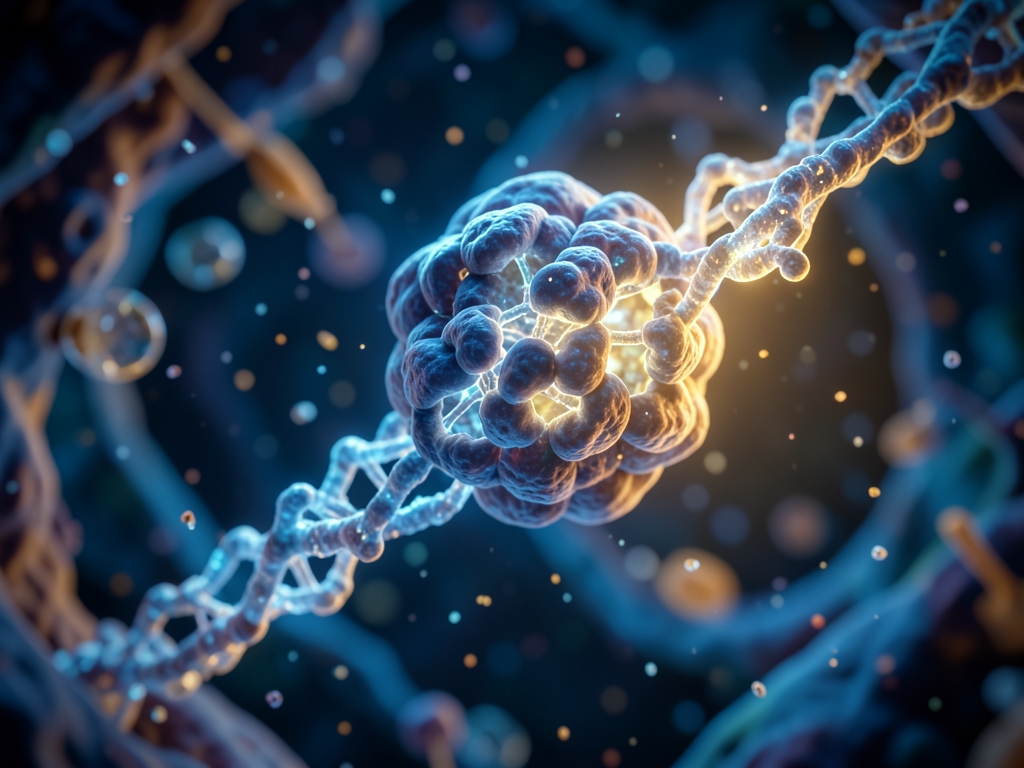
The human genome and the genetic blueprints of complex organisms are far from being static, immutable libraries of text. Instead, they are dynamic, bustling landscapes where certain segments of DNA possess the extraordinary ability to move, copy, and paste themselves across different chromosomes. These mobile genetic elements, historically known as transposable elements or colloquially as "jumping genes," have fascinated molecular biologists ever since their discovery. While these genetic elements have played a crucial role in shaping evolutionary diversity and driving genomic innovation over millions of years, their unchecked mobility poses a severe and immediate threat to cellular stability. When jumping genes insert themselves into critical functional genes or disrupt essential regulatory regions, the result can be catastrophic, leading to genetic disorders, chromosomal instability, and various forms of cellular dysfunction.
Understanding how cells keep these volatile genetic elements securely anchored has been a central quest in modern genetics. Recently, a major milestone was achieved when researchers unveiled a newly discovered role for a specialized protein complex responsible for keeping jumping genes locked firmly in place. This finding sheds fresh light on the sophisticated defense mechanisms that living organisms deploy to safeguard their hereditary information against internal genomic threats. In this comprehensive examination, we explore the mechanics of transposable elements, the newly identified functions of this protein guardian, and what these insights mean for the broader future of genetic research and molecular biology.
The Dual Nature of Transposable Elements within Genomes
To appreciate the significance of recent discoveries, one must first understand the dual nature of transposable elements. First discovered by Nobel laureate Barbara McClintock in maize plants during the mid-twentieth century, these sequences were initially met with skepticism by the scientific community. Conventional genetic dogma at the time viewed genes as fixed beads on a string. McClintock's meticulous observations demonstrated that specific genetic units could shift their position within the genome, directly altering physical traits and color patterns in maize kernels.
As sequencing technologies advanced, geneticists realized that transposable elements are ubiquitous across nearly all living kingdoms. In fact, a substantial percentage of the human genome is composed of ancient, remnants or active copies of these mobile elements. Over evolutionary time, host organisms have learned to coexist with these genetic nomads, often co-opting their machinery for beneficial cellular processes, such as antibody diversity in the immune system or the regulation of gene expression networks.
However, this coexistence is a delicate balancing act. Uncontrolled transposition can cause insertional mutagenesis, trigger DNA double-strand breaks, and induce cellular senescence. Consequently, cells have evolved multilayered defense systems designed to suppress mobile elements. These defenses include epigenetic silencing mechanisms, such as DNA methylation and histone modification, which wrap up transposable sequences in tightly packed heterochromatin, rendering them physically inaccessible and transcriptionally silent.
Uncovering the New Protein Complex and Its Mechanism
Despite these known epigenetic safeguards, researchers have long suspected that additional physical barriers and specialized surveillance machinery must exist to intercept jumping genes that manage to escape epigenetic silencing. Recent scientific investigations have successfully isolated and characterized a previously unknown role for a specific protein complex that acts as a direct molecular anchor, preventing these mobile elements from shifting or replicating within sensitive chromosomal zones.
Using advanced cryogenic electron microscopy, high-throughput sequencing, and biochemical reconstitution assays, researchers mapped out the exact structural interactions between the protein complex and the target DNA sequences. Unlike broad-spectrum epigenetic silencers that modify chromatin structure globally, this newly understood protein machinery operates with remarkable precision. It specifically recognizes the structural motifs characteristic of active transposable elements and physically clamps onto them, effectively blocking the enzymatic machinery required for cut-and-paste or copy-and-paste transposition.
The discovery highlights an elegant layer of intracellular defense, proving that genomic stability relies not only on chemical silencing but also on direct mechanical restraint exerted by specialized macromolecular assemblies.
Furthermore, biochemical analyses revealed that this protein complex does not work in isolation. It functions as a core hub within a larger cellular network, recruiting repair enzymes and stabilizing fragile regions of the chromosome where transposable elements tend to cluster. When researchers experimentally depleted or mutated components of this protein complex in model organisms, they observed an immediate surge in transposition events, leading to widespread genomic instability, transcriptional chaos, and cellular stress responses. This direct causal link confirms that the complex is an indispensable guardian of genomic integrity.
Broader Implications for Health, Disease, and Aging
The implications of this discovery extend far beyond basic molecular biology, offering profound insights into human health, hereditary diseases, and the fundamental processes of biological aging. As organisms age, the efficiency of cellular maintenance systems naturally declines. One of the hallmark features of cellular senescence and age-related tissue degradation is the progressive erosion of heterochromatin, which can lead to the reactivation of dormant transposable elements.
When jumping genes awaken in aged cells, their movement can inflict cumulative damage on the genome, promoting chronic inflammation, neurodegeneration, and oncogenesis. By identifying the specific protein complexes responsible for keeping these elements anchored, scientists have opened up entirely new therapeutic avenues. If future pharmacological interventions can enhance the stability, recruitment, or activity of these protective protein complexes, it might become possible to mitigate age-related genomic deterioration at its source.
Info! Ongoing studies are examining whether similar protein regulatory pathways are dysregulated in specific genetic disorders characterized by premature aging and chromosomal fragility.
In addition to aging, these findings provide a valuable framework for understanding certain types of inherited genetic disorders. Mutations that impair the cell's ability to suppress or anchor mobile elements can lead to spontaneous gene knockouts during embryonic development or in somatic tissues. A clearer picture of how protein complexes maintain genomic order enables genetic counselors and researchers to pinpoint novel biomarkers for congenital conditions linked to structural genomic variations.
Future Directions in Transposable Element Research
The identification of this new role for the protein complex marks a significant milestone, but it also opens up a multitude of new research questions for the scientific community. Molecular biologists are now racing to map out the complete interactome of the protein complex across different cell types and developmental stages. Understanding why certain tissues are more vulnerable to transposition events than others could reveal tissue-specific protective mechanisms that can be harnessed therapeutically.
Moreover, researchers are investigating how these protein complexes interact with environmental stressors. Factors such as oxidative stress, viral infections, and exposure to certain genotoxic chemicals are known to disrupt cellular homeostasis. Determining whether environmental insults directly impair the binding efficiency of transposable-element-anchoring proteins will provide crucial insights into how external factors influence long-term genetic health.
| Research Area | Current Understanding | Future Objectives |
|---|---|---|
| Epigenetic Silencing | DNA methylation and histone modifications restrict access to mobile elements. | Mapping synergy between epigenetic markers and mechanical protein anchors. |
| Structural Biology | Cryo-EM reveals precise molecular clamping mechanisms of the protein complex. | Designing synthetic molecules to reinforce protein binding in aged cells. |
| Age-Related Pathology | Reactivation of jumping genes correlates with cellular senescence and inflammation. | Developing targeted therapies to prevent genomic damage during aging. |
Frequently Asked Questions
What are jumping genes, and why are they important?
Jumping genes, or transposable elements, are DNA sequences that can move or copy themselves to different positions within a genome. While they drive evolutionary diversity, their uncontrolled movement can cause genetic mutations and disease.
How do cells normally prevent jumping genes from causing damage?
Cells use epigenetic defense mechanisms like DNA methylation and histone modification to silence these elements, alongside newly discovered protein complexes that provide direct mechanical restraint to lock them in place.
What did the recent scientific study discover about protein complexes?
The study uncovered a previously unknown role for a specialized protein complex that physically clamps onto transposable elements, preventing them from shifting or replicating within sensitive chromosomal regions.
How does this research relate to human aging and disease?
As cells age, defense systems weaken, allowing jumping genes to reactivate and damage the genome. Understanding these anchoring proteins could lead to therapies that preserve genomic stability and combat age-related decline.
Conclusion
The discovery of this new role for protein complexes in anchoring jumping genes underscores the breathtaking complexity of cellular defense systems. Far from being a passive repository of static code, the genome is actively managed, supervised, and protected by sophisticated molecular machinery every second of our lives. As researchers continue to unravel the intricate dynamics between mobile genetic elements and their protein guardians, we move closer to unlocking novel strategies for treating age-related diseases, protecting genomic stability, and deepening our fundamental understanding of life at the molecular level.
