

The intersection of environmental shifts and human well-being has reached a critical juncture, prompting leading scientific authorities to issue urgent warnings about the trajectory of our planet's climate. In an authoritative evaluation released by medical experts, researchers have formally called for climate change to be recognized universally as a paramount crisis affecting public health. This stark assessment underscores a growing consensus among epidemiologists, climatologists, and policy advisors who observe that rising global temperatures are no longer merely an ecological concern, but an immediate hazard to human survival and stability.
As global weather patterns become increasingly erratic, the compounding pressures of extreme heat waves, altered disease vectors, and compromised food security threaten healthcare systems worldwide. The findings emphasize that vulnerable populations face disproportionate risks, making the transition from abstract environmental debate to proactive health intervention an urgent priority for governments and international organizations.
The Core Findings of the Recent Lancet Evaluation
The comprehensive analysis published by leading medical researchers highlights alarming trends in mortality and morbidity linked directly to escalating environmental temperatures. Over recent years, epidemiologists have documented a sharp upward trajectory in heat-related fatalities, particularly among elderly demographics and outdoor laborers in urban heat islands. The report details how sustained high temperatures exacerbate chronic cardiovascular and respiratory conditions, placing unprecedented strain on emergency medical services.
Beyond direct thermal stress, the study investigates the indirect pathways through which a warming planet harms human health. Extended warm seasons facilitate the wider geographic spread of vector-borne illnesses, including dengue fever, malaria, and West Nile virus, as mosquitoes and other disease-carrying organisms expand into previously temperate zones. Furthermore, changing precipitation patterns disrupt agricultural yields, leading to nutritional deficiencies and economic instability in regions heavily reliant on local subsistence farming.
Recognizing environmental degradation as a medical emergency requires shifting our policy framework from reactive disaster relief to proactive preventive health measures on a global scale.
Understanding the Socioeconomic and Regional Disparities
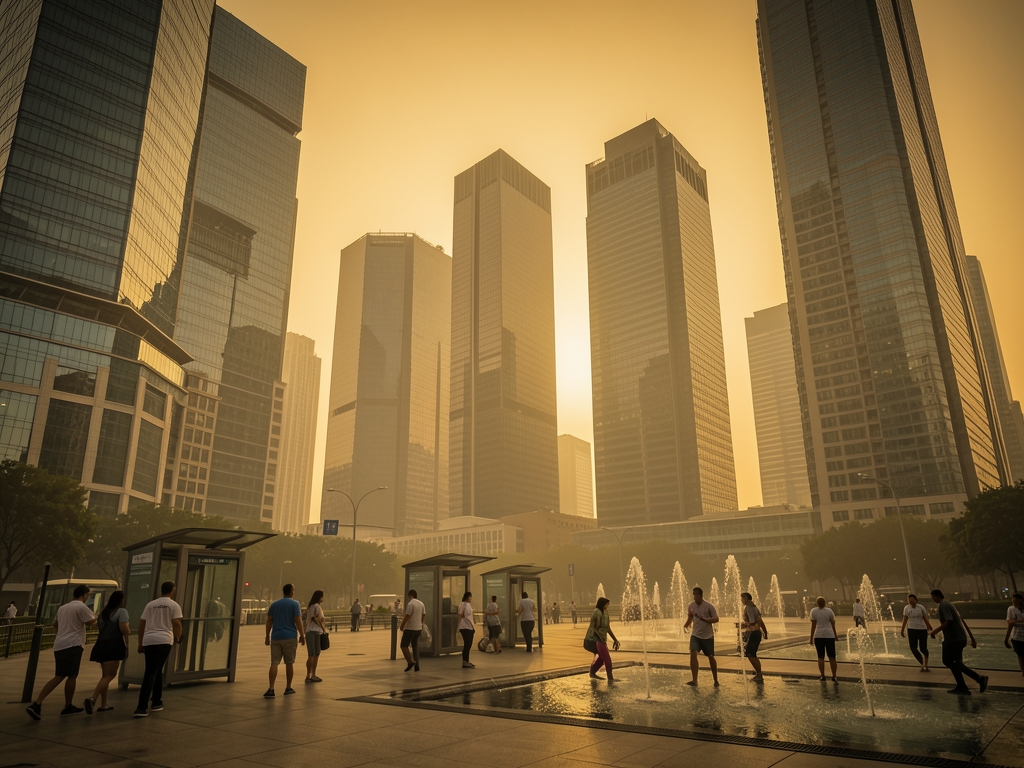
The health burdens of a changing climate are far from evenly distributed. Marginalized communities, low-income urban neighborhoods, and developing island nations bear the brunt of ecological disruptions despite contributing the least to historical greenhouse gas emissions. Urban areas, characterized by dense concrete structures and limited green canopy cover, experience significantly higher local temperatures than surrounding rural regions, intensifying the severity of heat waves for city dwellers.
Info! Urban heat islands can experience temperatures up to 10 degrees Fahrenheit higher than nearby rural areas, drastically increasing heat stress risks for local residents.
International health agencies point out that healthcare infrastructure in many developing regions lacks the capacity to withstand cascading climate shocks. When extreme weather events damage clinics, hospitals, and supply chains, the resulting interruption in routine care compounds the mortality rates associated with both acute climate emergencies and chronic health conditions.
Mitigation Strategies and Public Health Adaptation
Addressing this multifaceted emergency demands a coordinated two-pronged approach: aggressive mitigation to curb further temperature increases and robust adaptation strategies to protect populations from unavoidable environmental changes. Public health officials advocate for the implementation of comprehensive early-warning systems for heat waves, allowing municipalities to open cooling centers and issue timely advisories before temperatures reach dangerous thresholds.
| Intervention Strategy | Primary Objective | Implementation Level |
|---|---|---|
| Heat-Health Action Plans | Reduce mortality during extreme temperature spikes | Municipal & National Governments |
| Urban Greening Initiatives | Lower ambient city temperatures and improve air quality | City Planners & Local Communities |
| Enhanced Disease Surveillance | Track and contain vector-borne disease expansion | Regional Health Authorities |
| Resilient Infrastructure Design | Protect hospitals and emergency services from flooding | Civil Engineers & Policymakers |
At the structural level, urban planners are increasingly prioritizing nature-based solutions, such as expanding urban forests, incorporating green roofs, and restoring natural wetlands to absorb excess rainwater and mitigate urban heat. These measures not only cool the immediate environment but also provide mental health benefits and improve overall community resilience.
Global Policy Responses and Institutional Commitments
The call for a formal global health emergency declaration aims to mobilize international funding and foster cross-border cooperation akin to the responses seen during global pandemics. By framing environmental degradation through the lens of human health, advocates hope to secure dedicated resources for health system strengthening in vulnerable nations.
Warning! Failure to integrate health considerations into climate policy risks catastrophic system overloads as emergency departments struggle to cope with concurrent environmental and epidemiological crises.
Governments across Europe and the Americas are currently reviewing their national health security frameworks to incorporate climate resilience metrics. Collaborative research initiatives between meteorological agencies and public health departments are improving predictive models, enabling authorities to anticipate health crises weeks before they materialize on the ground.
Ultimately, safeguarding human health in an era of rapid environmental change requires unprecedented levels of global solidarity. As scientific evidence mounts, the imperative to act decisively becomes clearer, uniting medical professionals, policymakers, and communities in a shared mission to protect the future of public health.
What does declaring climate change a global health emergency mean?
It elevates ecological crises to the level of public health priorities, mobilizing international medical resources, funding, and cross-border cooperation to protect vulnerable populations from direct and indirect health threats.
How do rising global temperatures directly impact human mortality?
Sustained high temperatures cause heat exhaustion, heatstroke, and significantly worsen chronic cardiovascular and respiratory diseases, leading to a surge in heat-related fatalities especially among older adults.
What are some indirect health consequences associated with a warming climate?
Indirect effects include the wider geographic spread of vector-borne diseases like dengue and malaria, agricultural disruptions leading to food insecurity, and mental health stress caused by extreme weather displacement.
How can cities adapt to mitigate the risks of extreme heat waves?
Cities can implement early-warning heat advisory systems, establish public cooling centers, expand urban green spaces, plant trees to reduce heat islands, and upgrade healthcare facility resilience.
Navigating the complex challenges posed by modern environmental shifts demands continuous vigilance, robust scientific research, and sustained international cooperation. By prioritizing health-centered adaptation and decisive mitigation policies, global societies can build a more resilient future that protects both planetary ecosystems and human well-being.
Sources and Further Reading
- Climate change must be declared 'global health emergency': Lancet study - Gulf News — Gulf News (published 2026-10-28 01:28)
- Climate change is a 'global health emergency,' new report says - Yahoo — Yahoo (published 2026-10-28 01:07)
- Experts demand climate change be declared a global health emergency as heat-related deaths soar - Newswav — Newswav (published 2026-10-28 01:01)
