

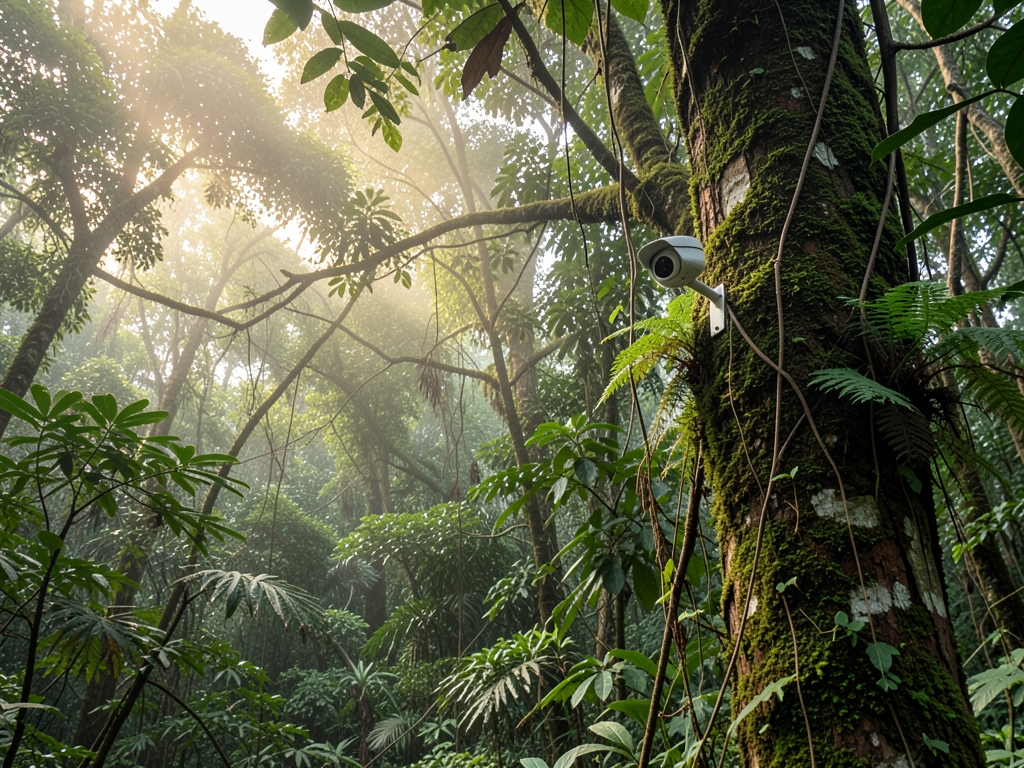
Wildlife conservation in South Asia has entered a decisive technological phase, balancing traditional field ranger patrols with advanced automation and machine intelligence. The deployment of surveillance infrastructure across vulnerable forest zones represents a major shift in how governments and environmental agencies safeguard endangered species from illegal hunting and trafficking. In October 2026, conservation authorities in the eastern Indian state of Odisha announced a significant expansion of their surveillance network, committing to the installation of 300 additional artificial intelligence-powered cameras within the Similipal National Park ecosystem to curb wildlife poaching.
This strategic expansion builds upon prior trials and phased implementations of automated monitoring equipment in high-risk zones. Similipal, renowned for its rich biodiversity, dense flora, and critical tiger population, has long faced persistent threats from organized poaching networks operating across remote jungle terrain. By integrating machine learning algorithms directly into the optical monitoring apparatus, forest departments aim to transition from reactive investigations to proactive, real-time threat detection and intervention.
Understanding the Threat Landscape in Similipal
Similipal National Park and Tiger Reserve spans thousands of square kilometers of rugged terrain, encompassing dense deciduous forests, sprawling grasslands, and high-altitude ridges. This vast geographical expanse creates inherent challenges for human patrollers. Traditional anti-poaching operations rely heavily on foot patrols, manual tracking, and sporadic informant networks. However, poachers frequently exploit the cover of darkness, inclement weather, and vast blind spots to evade detection.
Illegal wildlife trade networks target numerous indigenous species, ranging from apex predators like tigers and leopards to valuable pangolins, spotted deer, and rare avian life. The financial incentives driving illegal hunting remain high, fueling sophisticated operations that utilize modern communication gear and local topographical knowledge. Consequently, environmental ministries have recognized that human manpower alone cannot adequately secure every vulnerable trail and waterhole within the reserve.
The introduction of automated surveillance aims to close these security gaps. Unlike static trail cameras that merely record footage for later retrieval—often days or weeks after an incident has occurred—modern AI-enabled systems are designed to process visual data at the edge. This capability allows field units to receive immediate alerts when human intruders or suspicious activities are detected within protected boundaries.
How AI-Powered Camera Networks Function
The newly commissioned cameras deployed across Similipal operate on advanced computer vision models trained specifically to distinguish human forms, vehicles, and firearms from natural wildlife movements. Traditional motion-activated trail cameras often suffer from high rates of false positives, triggered by swaying branches, passing elephants, or shifting shadows. These false alarms drain valuable resources as rangers investigate non-threatening alerts.
AI integration significantly minimizes false positives by running local classification algorithms before transmitting an alert. When the optical sensor captures movement, the onboard processor evaluates the shape, motion profile, and heat signature of the subject. If the algorithm identifies characteristics consistent with human trespassers or poachers, it initiates an encrypted wireless transmission to central monitoring stations.
| Technology Feature | Traditional Trail Cameras | AI-Powered Surveillance Systems |
|---|---|---|
| Data Processing | Manual retrieval of memory cards | Edge computing with real-time classification |
| Alert Mechanism | None (offline storage) | Instant wireless transmission to ranger units |
| False Positive Rate | High (triggered by wind, animals, shadows) | Low (filtered by machine learning models) |
| Response Time | Days or weeks post-incident | Minutes or hours during active intrusion |
Info! Edge computing allows modern conservation cameras to analyze footage locally without requiring continuous high-bandwidth internet connections across the entire forest canopy.
Infrastructure and Deployment Strategy
Installing 300 additional cameras requires meticulous logistical planning. Similipal's rugged terrain features dense foliage that obstructs standard satellite signals and traditional radio frequencies. To overcome these obstacles, conservation engineers deploy mesh networking protocols, allowing individual cameras to relay encrypted data packets from node to node until reaching a central tower equipped with cellular or satellite backhaul.
Power management represents another critical engineering hurdle. Because electrical grids do not extend deep into protected wildlife reserves, each camera unit relies on high-efficiency solar panels paired with robust lithium-ion battery banks. These power systems are engineered to sustain continuous operation through extended monsoon seasons and heavily overcast days, ensuring uninterrupted protection year-round.
Strategic placement is determined through historical poaching data, intelligence reports from forest guards, and geospatial mapping of animal migration corridors. Cameras are positioned along known transit routes, vulnerable entry points at forest boundaries, and around critical water sources where wildlife congregates during dry periods.
Broader Implications for Global Conservation
The initiative in Similipal reflects a broader global trend in conservation technology. Across Africa, Latin America, and Asia, environmental agencies are increasingly turning to artificial intelligence, acoustic monitoring arrays, and drone patrols to protect endangered habitats. Studies indicate that visible and hidden technological deterrence significantly raises the operational risks for poachers, driving down illegal kill rates in monitored zones.
However, experts emphasize that technology serves as a tool rather than a standalone solution. Effective conservation requires robust legal frameworks, community engagement programs that provide alternative livelihoods for fringe villagers, and stringent law enforcement prosecution when poachers are apprehended. When combined with community support, high-tech surveillance acts as a formidable force multiplier for understaffed forest departments.
Warning! While AI cameras help curb illegal activity, poorly secured wireless transmission feeds can theoretically be intercepted if proper end-to-end encryption standards are not strictly maintained by implementing agencies.
As the rollout of the 300 new cameras progresses across Similipal, researchers and park administrators will monitor key performance indicators, including response times, apprehension rates, and population stability indices for vulnerable species. The outcomes of this project will likely inform future investments in automated conservation infrastructure across other national parks in India and neighboring regions.
What is the main purpose of the new AI cameras in Similipal?
The primary objective is to curb wildlife poaching by providing real-time detection of human intruders, poachers, and unauthorized vehicles within the protected forest reserve.
How do AI cameras reduce false alarms compared to older trail cameras?
AI cameras use onboard machine learning algorithms to analyze motion locally. They filter out environmental triggers like swaying branches, weather shifts, and passing animals, alerting rangers only when human presence is confirmed.
How are the remote cameras powered in deep jungle areas?
Each monitoring unit is equipped with high-efficiency solar panels connected to durable lithium-ion battery banks, ensuring continuous operation even through overcast weather and extended monsoon seasons.
What species in Similipal benefit most from this surveillance upgrade?
While all native wildlife benefits, the monitoring directly protects vulnerable tiger populations, leopards, pangolins, and various endangered herbivores and avian species targeted by illegal trafficking networks.
Conclusion
The integration of 300 additional artificial intelligence-powered cameras into Similipal National Park marks a progressive milestone in modern wildlife conservation. By blending cutting-edge edge computing, solar power engineering, and strategic spatial analysis, forestry officials are equipped to counteract sophisticated poaching syndicates more effectively than ever before. As these technologies mature, their successful deployment in reserves like Similipal establishes a vital blueprint for safeguarding global biodiversity against ongoing environmental threats.
