

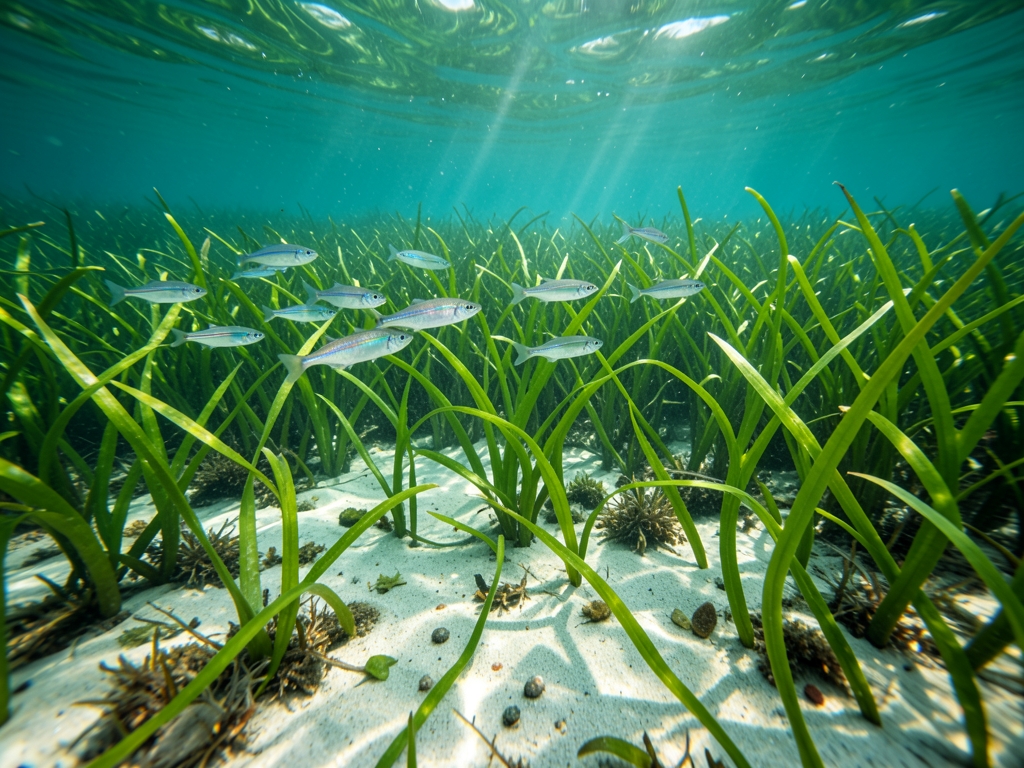
Coastal marine ecosystems across the globe face unprecedented pressures from human development, rising sea temperatures, and industrial runoff. Among the most critical yet frequently overlooked marine habitats are seagrass meadows. These flowering marine plants form dense underwater prairies that stretch along shallow coastlines, providing essential nursery grounds for countless fish species, stabilizing shorelines against erosion, and acting as formidable carbon sinks. When these delicate underwater ecosystems degrade, the ripple effects devastate local fisheries, diminish water quality, and strip coastlines of natural storm protection. However, recent conservation initiatives and ecological studies demonstrate that when these habitats receive targeted protection and active restoration, marine life makes a remarkable comeback, proving that nature possesses an extraordinary capacity to heal when given a chance.
The Ecological Significance of Seagrass Meadows
Often overshadowed by coral reefs and mangrove forests, seagrasses represent the only flowering plants that successfully adapted to live in marine environments. Thriving in shallow, sheltered coastal waters where sunlight can easily penetrate the water column, these plants anchor themselves in sandy or muddy substrates using extensive root and rhizome systems. This complex subterranean network locks sediments in place, preventing coastal erosion and dramatically improving water clarity by filtering suspended particles out of the water column.
Beyond physical stabilization, seagrass meadows function as biological powerhouses. They produce vast quantities of oxygen through photosynthesis and generate immense amounts of organic carbon, forming the foundational base of complex coastal food webs. Small invertebrates, juvenile fish, crustaceans, and endangered herbivores such as sea turtles and manatees rely on these habitats for shelter and sustenance. Without healthy seagrass meadows, the intricate marine food web collapses from the bottom up, leading to severe declines in commercial and artisanal fish populations.
Seagrass meadows cover less than 0.2 percent of the ocean floor, yet they are estimated to store up to 10 percent of the carbon buried annually in the ocean, making them one of the most efficient carbon sinks on planet Earth.
Understanding the Drivers of Seagrass Degradation
Despite their critical ecological value, global seagrass populations have experienced significant declines over the past century. Urban expansion, port construction, dredging, and land reclamation projects directly destroy vast tracts of coastal habitat. Furthermore, agricultural runoff loaded with excess nitrogen and phosphorus triggers massive algal blooms. These blooms block essential sunlight from reaching the submerged vegetation, effectively starving the seagrasses of the light energy they require to survive.
Another major threat stems from destructive fishing practices, such as bottom trawling and anchoring in shallow bays, which physically scar the seabed and rip up root systems. Climate change compounds these anthropogenic pressures. Marine heatwaves, rising sea surface temperatures, and increased storm frequency subject these fragile plants to extreme physiological stress. When a seagrass meadow dies off, the carbon stored in the sediment for millennia can be released back into the atmosphere and ocean, accelerating environmental degradation.
Active Restoration Techniques and Scientific Innovations
Reversing the decline of coastal seagrass requires much more than simply declaring marine protected areas; it demands active, hands-on ecological intervention. Marine scientists and conservation groups have pioneered sophisticated restoration methodologies to rebuild damaged meadows from the ground up. These techniques have evolved significantly from early, labor-intensive manual planting methods, embracing scalable approaches that leverage modern ecological engineering.
Info! Successful seagrass restoration requires careful site selection, ensuring that historical water quality issues have been mitigated before introducing new plant material to the environment.
Conservationists typically employ several primary restoration strategies:
- Seed Harvesting and Mechanical Sowing: Divers and automated collection devices gather mature seeds from healthy donor meadows without harming the source population. These seeds are then processed and sown across degraded seabed areas using specialized mechanical spreaders.
- Benthic Stapling and Frame Planting: For vegetative restoration, mature shoots with intact rhizomes are anchored directly into the sediment using biodegradable staples, wire grids, or specialized anchoring frames that hold the plants secure against strong tidal currents until new root systems take hold.
- Water Quality Remediation: Before physical planting begins, watershed management programs work upstream to reduce agricultural nutrient loads and municipal wastewater runoff, ensuring that the water clarity supports long-term plant growth.
- Community-Led Stewardship: Engaging local fishers, coastal communities, and recreational boaters in monitoring programs ensures long-term protection against physical anchoring damage and illegal coastal dumping.
Wildlife Recovery Following Habitat Reestablishment
When seagrass restoration projects succeed, the ecological response is often swift and dramatic. As the physical structure of the underwater meadow returns, species diversity rebounds in tandem. Herbivores return to graze on the tender blades, predatory fish move in to hunt juvenile prey, and filter-feeding organisms reestablish themselves in the stabilized sediment. This biological resurgence provides clear, measurable indicators of ecosystem recovery.
| Ecological Metric | Degraded Meadow State | Restored Meadow State |
|---|---|---|
| Water Clarity | Low turbidity, high suspended solids | High clarity, low suspended particles |
| Fish Biomass | Extremely low, dominated by generalist species | High abundance, rich nursery recruitment |
| Sediment Stability | High erosion rates, mobile shifting sands | Firmly anchored, low resuspension |
| Carbon Sequestration | Net carbon source or neutral | High long-term blue carbon burial rate |
Field studies conducted across various global coastal zones indicate that fish and invertebrate densities can multiply within just a few years of successful seagrass replanting. Species that had completely vanished from impacted bays return as the habitat regains its functional complexity. This recovery underscores the interconnected nature of marine ecosystems and proves that targeted conservation can successfully reverse decades of environmental damage.
Sustaining Long-Term Coastal Resilience
Protecting and restoring seagrass meadows is not merely an environmental crusade for aesthetic or conservation ideals; it is an urgent economic and social necessity for coastal communities worldwide. Millions of people depend directly on the fisheries supported by these habitats for their livelihoods and food security. Furthermore, healthy coastal zones provide natural buffers against severe weather events, absorbing wave energy and protecting vulnerable shorelines from storm surges driven by changing global climate patterns.
Warning! Neglecting coastal watershed management will continue to undermine marine restoration efforts, as untreated chemical runoff can easily wipe out newly established vegetation before it matures.
Integrating seagrass protection into national climate policies and international blue carbon frameworks ensures that these vital ecosystems receive the financial and regulatory backing required for large-scale survival. As scientific understanding deepens and restoration techniques become more efficient, society has both the opportunity and the responsibility to repair the damage inflicted upon our oceans. Nature possesses an extraordinary ability to regenerate, provided we give it the space, time, and active support it needs to thrive.
What are seagrass meadows and why are they important?
Seagrass meadows are underwater marine flowering plants that grow in shallow coastal waters. They are vital because they stabilize shorelines, improve water clarity, act as major carbon sinks, and provide essential nursery and feeding habitats for diverse marine wildlife.
What causes the degradation of seagrass ecosystems?
Seagrass decline is primarily driven by coastal development, dredging, destructive fishing practices, and agricultural runoff that causes algal blooms, which block essential sunlight and starve the underwater plants.
How do scientists restore damaged seagrass meadows?
Scientists restore seagrass by harvesting and mechanically sowing seeds, planting vegetative shoots using biodegradable anchors, improving upstream water quality, and establishing community-led protection programs against physical seabed damage.
How does marine wildlife respond to successful seagrass restoration?
Following successful restoration, marine wildlife rebounds rapidly. Fish populations, crustaceans, invertebrates, and grazing species return as the habitat regains its structural complexity, significantly boosting overall coastal biodiversity.
Conclusion
The global effort to restore seagrass meadows and recover marine wildlife highlights a powerful truth about modern conservation: active intervention combined with ecological understanding can successfully reverse environmental degradation. By safeguarding these submerged coastal ecosystems, society not only protects vulnerable marine species and secures vital fisheries but also enhances natural defenses against climate change. Continued investment in scientific research, community stewardship, and large-scale restoration will ensure that our coastal oceans remain resilient, productive, and vibrant for generations to come.
