

Archaeological discoveries consistently reshape our understanding of ancient civilizations, providing tangible links to empires that once dominated the ancient world. Recent historical investigations into the ancient Near East have brought renewed attention to the vast textual troves left behind by Bronze Age societies. Among the most significant of these cultural repositories are the royal archives of the Hittite Empire, an ancient civilization that flourished in Anatolia, modern-day Turkey. Recent scholarly analyses and ongoing archival excavations continue to illuminate how these ancient people recorded the turbulent realities of their era, offering extraordinary insights into imperial governance, military campaigns, diplomatic treaties, and devastating public health crises.
The Significance of the Hittite Capital at Hattusa
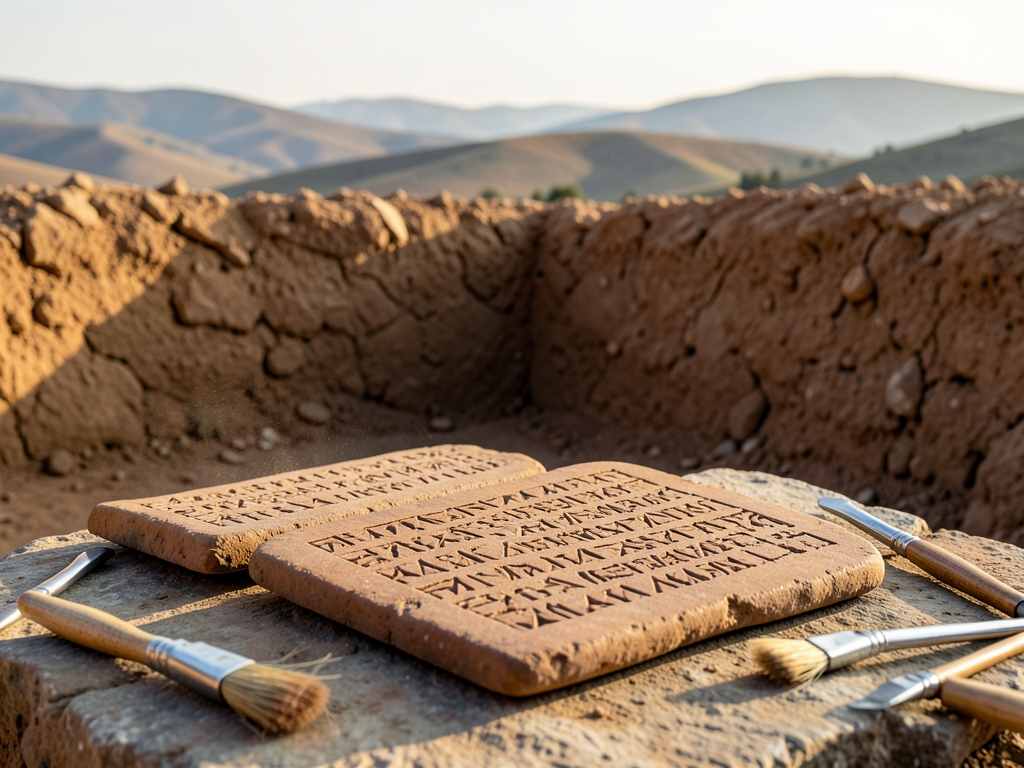
The heart of the Hittite civilization was located at Hattusa, an expansive archaeological site near modern Boğazkale in Turkey. Situated strategically on a high plateau, the ancient capital served as the political and religious center of an empire that vied for supremacy with ancient Egypt, Assyria, and Mitanni during the late Bronze Age. Excavations at the site over the decades have uncovered tens of thousands of clay tablets inscribed in cuneiform script. These documents represent a diverse array of administrative records, religious rituals, legal codes, and historical chronicles, making the archives one of the most vital windows into the second millennium BCE.
What distinguishes the Hittite archives from many other contemporary collections is their linguistic and administrative diversity. The scribes at Hattusa recorded information in several languages, including Hittite, Luwian, Palaic, and Akkadian, the international diplomatic lingua franca of the time. This multilingual nature reflects a complex, multi-ethnic society that governed diverse populations across Anatolia and northern Syria. Modern historians rely on these texts to reconstruct the political structures, economic networks, and ideological foundations that sustained the Hittite state for centuries.
Documenting Imperial Warfare and Strategic Diplomacy
Warfare was a constant reality for the Hittite Empire, and the royal archives provide meticulous accounts of military campaigns, territorial disputes, and peace negotiations. Unlike mere victory stelae designed solely for propaganda, many Hittite texts offer detailed operational reports, instructions for military commanders, and diplomatic correspondence exchanged with foreign rulers such as the pharaohs of Egypt.
The clay tablets of Hattusa preserve some of the earliest detailed accounts of geopolitical strategy, peace treaties, and crisis management in human history.
One of the most famous diplomatic documents originating from this tradition is the Silver Treaty, often considered the earliest surviving peace accord in history, concluded between Hattusili III and Ramesses II following the Battle of Kadesh. While the famous Egyptian accounts celebrate the engagement from a specific viewpoint, the Hittite archives present a nuanced administrative perspective on the logistics required to mobilize troops across rugged Anatolian terrain, manage supply lines, and secure vassal states against encroaching adversaries.
Epidemics and Public Health Crises in Antiquity
Beyond military maneuvers and political alliances, the newly examined cuneiform texts shed light on the profound challenges posed by infectious diseases. Historical plagues frequently devastated ancient populations, disrupting agricultural production, destabilizing economies, and weakening military readiness. The Hittite archives contain numerous prayers, royal decrees, and ritual prescriptions specifically addressing widespread pestilences that swept through the empire.
In many instances, Hittite rulers attributed severe epidemics to divine wrath resulting from unfulfilled oaths or neglected religious obligations. Consequently, the state orchestrated elaborate purification rituals and public supplications to appease the gods. These texts provide modern epidemiologists and historians with rare textual evidence of how ancient societies perceived, interpreted, and attempted to manage large-scale health emergencies long before the advent of modern medicine.
| Record Type | Primary Subject Matter | Historical Value |
|---|---|---|
| Administrative Texts | Tribute lists, grain distribution, labor allocation | Reveals economic organization and taxation systems |
| Diplomatic Correspondence | Treaties, royal marriages, foreign alliances | Outlines international relations and geopolitics |
| Ritual and Prayer Texts | Plague prayers, religious festivals, purification rites | Documents ancient beliefs, health crises, and social anxiety |
| Military Instructions | Garrison duties, border defense, tactical orders | Illustrates imperial military administration and strategy |
Methodological Advances in Deciphering Cuneiform
The ongoing study of the Hittite archives is not merely a matter of reading old texts; it represents a sophisticated intersection of archaeology, linguistics, and modern digital technology. Epigraphers and historians utilize advanced imaging techniques, multispectral photography, and digital databases to examine eroded or fragmented clay tablets. These technological applications allow researchers to read faint impressions that were previously invisible to the naked eye, recovering lost lines of royal decrees and historical narratives.
Info! Digital epigraphy and collaborative international databases have significantly accelerated the translation and publication of fragmented Bronze Age texts.
Furthermore, international scholarly collaboration has enabled researchers to cross-reference vocabulary and stylistic patterns across thousands of documents. This collaborative approach helps resolve ambiguities in translation, ensuring that our historical reconstructions remain accurate and reflective of the latest philological discoveries.
Broader Implications for Bronze Age Studies
The insights gained from the Hittite archives extend far beyond the borders of ancient Anatolia. They provide crucial comparative data for understanding the broader Bronze Age collapse—a turbulent period around 1200 BCE marked by the sudden downfall of multiple major civilizations across the eastern Mediterranean and Near East. By analyzing the combination of internal rebellions, external invasions, economic pressures, and recurrent epidemics documented in the Hittite texts, researchers gain a holistic perspective on the fragility of complex ancient states.
Ultimately, the continuous exploration of these historical records underscores the enduring value of archaeological preservation. Each deciphered tablet adds another intricate piece to the vast mosaic of human history, reminding contemporary societies of both the resilience and vulnerability of civilizations facing systemic crises.
What are the Hittite royal archives?
The Hittite royal archives consist of tens of thousands of clay tablets inscribed in cuneiform script, discovered primarily at the ancient capital of Hattusa in Turkey, containing administrative, legal, and historical records.
What languages were used in the Hittite cuneiform tablets?
The texts were written in multiple languages reflecting the empire's diverse population, including Hittite, Luwian, Palaic, and Akkadian, which served as the international diplomatic language of the Bronze Age.
How do the archives document epidemics and public health?
The archives contain royal prayers, administrative decrees, and ritual instructions designed to address widespread pestilences, reflecting how ancient rulers interpreted and responded to major health crises.
