

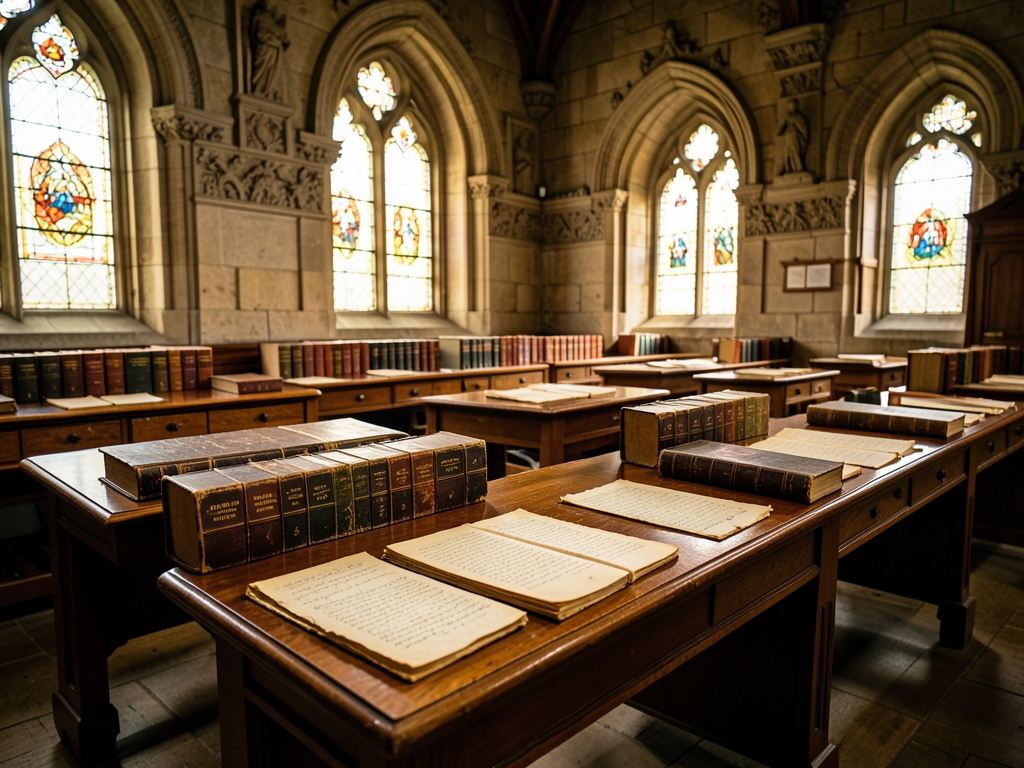
For centuries, local government documents, parish registers, land surveys, and quarter session records have remained safely stored within physical county archives, accessible only to dedicated historians, genealogists, and researchers willing to travel and navigate fragile paper documents by hand. However, ongoing archival initiatives are fundamentally transforming how the public interacts with historical primary sources. By transferring centuries-old manuscripts into searchable digital formats, institutions are opening up vast repositories of local history to global audiences. This shift not only preserves fragile paper and parchment against physical degradation but also democratizes historical research, allowing anyone with an internet connection to explore ancestral roots, property histories, and community developments from anywhere in the world.
The Evolution of Local Archival Preservation
Traditional archival preservation has always balanced two competing priorities: making documents accessible to the public while protecting them from physical wear and tear. Paper acidity, ink corrosion, binding failures, and environmental fluctuations pose constant threats to historical collections. For generations, archivists relied on microfilming as the primary method of mass duplication, but microfilm readers are cumbersome, difficult to search, and limited in image fidelity.
The advent of high-resolution digital imaging and optical character recognition (OCR) has revolutionized this preservation paradigm. High-end overhead scanners capture fine details of handwritten manuscripts, foxed paper, and faded iron gall ink without damaging fragile bindings. Once captured, these digital master files undergo meticulous quality control before being integrated into online search portals. This dual approach ensures that the original documents can be permanently retired to climate-controlled vaults while their digital facsimiles serve researchers worldwide.
What County and Parish Records Reveal About Daily Life
Digital archives offer much more than dry administrative logs; they provide intimate windows into the daily lives, struggles, and triumphs of ordinary people who lived centuries ago. Parish registers record baptisms, marriages, and burials, mapping the demographic shifts of communities through wars, famines, and industrial transformations. Meanwhile, quarter session rolls document criminal trials, minor disputes, apprenticeship indentures, and poor law administration, shedding light on social welfare and local justice systems in past eras.
Researchers examining these digitized collections often uncover unexpected historical details:
- Tax and Hearth Assessments: Detailed listings of households that help reconstruct local neighborhoods and economic stratifications.
- Coroner Inquests: Detailed accounts of accidents, sudden deaths, and community investigations that reveal occupational hazards and daily perils.
- Land Enclosure Awards: Maps and legal documentation tracking the privatization of common land and the reshaping of rural landscapes.
- Pauper Apprenticeship Records: Documentation of destitute children placed with local tradespeople, offering insights into early social support networks.
The Technical Challenge of Handwriting Recognition
While modern search engines effortlessly index typed text, digitizing historical archives presents a uniquely difficult hurdle: cursive handwriting. Documents written across the sixteenth, seventeenth, and eighteenth centuries feature varied script styles, archaic spelling conventions, abbreviations, and fading inks that standard OCR software cannot easily interpret.
To overcome this barrier, archival projects increasingly leverage advanced machine learning models and artificial intelligence trained on historical hands. These specialized AI models learn to recognize individual scribal patterns, idiosyncratic spelling, and common legal abbreviations, generating searchable text indexes from handwritten manuscripts. Although human transcribers and volunteers still verify complex passages, AI-assisted transcription drastically accelerates the timeline for bringing massive historical collections online.
Practical Tips for Searching Online Historical Archives
Navigating newly digitized historical collections requires patience and specialized search strategies. Because historical spelling was rarely standardized before the nineteenth century, names and locations often appear with multiple variations. Effective genealogical and historical research demands flexible search techniques:
- Embrace Wildcard Searches: Use asterisks or question marks to account for spelling variants (e.g., searching for 'Sm*th' to catch Smith, Smyth, and Smithe).
- Search by Location First: When family names are common, narrow your focus by parish, manor, or village before expanding outward to county-level databases.
- Consult Glossary Guides: Familiarize yourself with archaic occupational terms, legal vocabulary, and calendar shifts (such as the adoption of the Gregorian calendar in 1752) to avoid misinterpreting dates and records.
- Cross-Reference Multiple Sources: Never rely on a single record type; verify vital events across parish registers, tax lists, and probate documents to ensure accurate genealogical conclusions.
The Broader Impact on Global Genealogy and Education
The transition of local archives to searchable online databases has profound implications for global education and family history research. Amateur genealogists no longer need to hire local agents or spend weeks traveling to distant record offices to trace their ancestry. Students and academic researchers can access primary source materials directly from university libraries or home desks, fostering a more direct, evidence-based approach to historical study.
Info! Online archival access significantly reduces the physical handling of fragile documents, ensuring that rare historical manuscripts survive for future generations while remaining widely available for educational research.
Furthermore, digital accessibility encourages community engagement with history. Local heritage groups, schools, and amateur historians can easily pull together primary documents to curate virtual exhibitions, research local historic buildings, or document the contributions of past community members. This grassroots historical work enriches our collective understanding of regional heritage and strengthens connections to the past.
What types of documents are typically found in county archive collections?
County archives typically house parish registers, quarter session court records, tax assessments, land surveys, estate maps, poor law union records, and local authority administrative files.
Why is searching old handwritten documents difficult online?
Traditional OCR software struggles with old cursive handwriting, varied script styles, archaic spelling conventions, and faded ink, requiring specialized AI transcription models and manual indexing.
How can researchers find ancestors when names are spelled differently in historical records?
Researchers should use wildcard search operators, phonetic search filters, and search by geographic location or associate names rather than relying strictly on exact name spellings.
Are digital historical records free to access online?
Many county record offices and public libraries offer free access to basic digital catalogs and indexes, though some specialized commercial genealogy platforms charge subscription fees for high-resolution document viewing.
Conclusion
The ongoing digitization of local historic records represents a monumental leap forward for historical preservation and public access. By combining advanced imaging technology, AI-assisted transcription, and user-friendly online search interfaces, institutions are unlocking centuries of hidden history. Whether tracing family lineages, studying local socioeconomic structures, or exploring ancient legal disputes, researchers now enjoy unprecedented access to the primary documents that shape our understanding of the past. As more regional archives complete their digital transformations, the shared heritage of local communities will remain safely preserved and easily explored for generations to come.
