

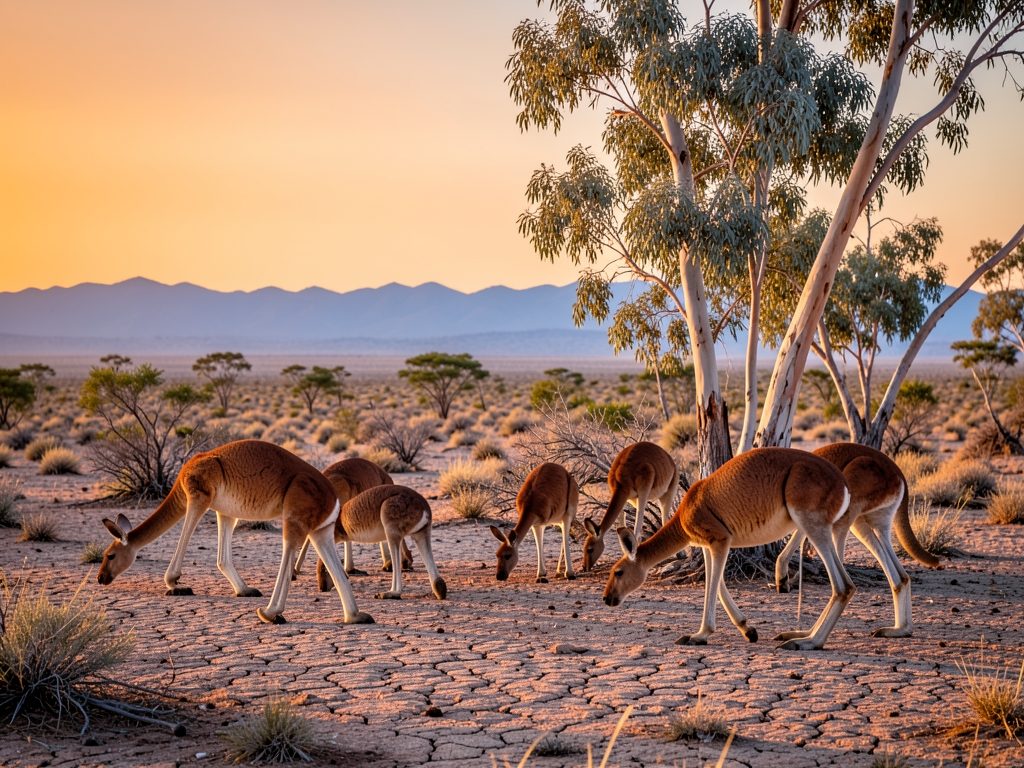
World Kangaroo Day serves as an essential annual reminder of the unique biodiversity housed within the Australian continent, focusing global attention on macropods—the iconic family of marsupials that includes kangaroos, wallabies, tree-kangaroos, and pademelons. While these resilient animals have successfully adapted to some of the harshest environments on Earth over millions of years, modern ecological pressures are testing their limits. As global climate patterns shift, rising temperatures, prolonged droughts, and increasingly severe bushfires are fundamentally altering the habitats upon which Australia's macropods depend. Understanding these environmental shifts is crucial for developing effective conservation strategies and ensuring the long-term survival of Australia's most recognizable wildlife symbols.
The Ecological Significance of Macropods in Australian Ecosystems
Macropods are far more than cultural symbols featured on coats of arms and tourism campaigns; they are fundamental architects of Australian ecosystems. As primary herbivores, kangaroos and wallabies help shape vegetation structure through selective grazing and seed dispersal. Their movement across vast rangelands assists in soil aeration and nutrient cycling, creating ecological niches for smaller organisms. Historically, these marsupials developed specialized physiological adaptations to cope with erratic rainfall and nutrient-poor soils. Their specialized digestive tracts allow them to extract maximum nutrients from fibrous native grasses, while their legendary hopping locomotion provides an energy-efficient way to travel immense distances in search of sporadic water sources and grazing pastures.
However, the rapid pace of contemporary climate change is outpacing the evolutionary timescales over which these adaptations developed. Ecosystems that once experienced predictable cycles of wet and dry years are now subjected to unprecedented volatility. Extended droughts reduce the availability of succulent vegetation, forcing macropods into closer contact with agricultural lands and human settlements in search of food. This increased overlap frequently leads to human-wildlife conflict, putting additional pressure on already stressed populations.
How Extreme Weather and Rising Temperatures Affect Survival
Temperature increases across inland Australia present severe physiological challenges for macropods. Unlike mammals that rely heavily on sweating to cool down, kangaroos utilize behavioral thermoregulation—such as seeking shade during peak daylight hours, reducing physical activity, and licking their forearms to promote evaporative cooling through saliva. During extreme heat waves, however, these mechanisms become insufficient. Prolonged high temperatures combined with water scarcity lead to severe dehydration and heat stress, particularly among vulnerable juveniles and aging adults.
Climate change acts as a threat multiplier, amplifying existing pressures such as habitat fragmentation, invasive predators, and resource competition with introduced livestock.
Furthermore, altered rainfall regimes disrupt breeding patterns. Female macropods possess a remarkable reproductive adaptation known as embryonic diapause, allowing them to pause the development of an embryo when environmental conditions are unfavorable or when nursing an older joey. While this mechanism traditionally helped populations bounce back after droughts, the increasing frequency and duration of modern droughts mean that recovery windows are shrinking. Successive years of failed breeding seasons can lead to steep population declines across entire regions.
The Devastating Aftermath of Mega-Fires on Native Habitats
Perhaps the most visible and catastrophic manifestation of climate change in Australia is the dramatic increase in the frequency and intensity of bushfires. While fire is a natural component of many Australian biomes, modern mega-fires burn with an unprecedented scale and temperature, sterilizing soils and destroying old-growth canopy cover that takes decades to regenerate. For macropods, fast-moving fire fronts present immediate mortal danger. Even highly mobile species like the red kangaroo struggle to outrun wind-driven firestorms that consume thousands of square kilometers in hours.
For arboreal and forest-dwelling macropods, such as tree-kangaroos and specific wallaby subspecies, the destruction of canopy habitats is catastrophic. Animals that survive the initial blaze often face grim prospects in the aftermath: scorched landscapes offer virtually no shelter from predators like introduced foxes and feral cats, and the lack of vegetation leaves them vulnerable to starvation and dehydration. Conservation geneticists note that severe fires also fragment populations into isolated pockets, reducing genetic diversity and increasing vulnerability to disease and inbreeding depression.
Conservation Strategies and the Path Forward
Addressing the complex challenges facing Australia's macropods requires a coordinated, multi-faceted approach that integrates scientific research, Indigenous land management practices, and government policy. Traditional Custodians have managed Australian landscapes for millennia using cultural burning practices that reduce fuel loads while protecting wildlife refuges. Modern conservation frameworks are increasingly incorporating these ancient knowledge systems alongside contemporary ecological monitoring tools, such as satellite telemetry and drone surveys, to track population health and habitat connectivity.
Info! Conservation efforts are shifting from reactive emergency responses to proactive landscape-scale resilience planning, focusing on protecting climate refugia where vulnerable species can weather extreme conditions.
Habitat restoration remains a cornerstone of long-term survival plans. Establishing wildlife corridors that connect fragmented national parks and reserves allows macropods to migrate in response to shifting climatic zones. Additionally, controlling invasive predator populations and managing sustainable grazing practices on pastoral leases help reduce cumulative environmental stress. Public awareness campaigns, amplified globally on occasions like World Kangaroo Day, play a vital role in garnering international support and funding for on-the-ground conservation initiatives.
| Climate Pressure | Direct Impact on Macropods | Conservation Mitigation Strategy |
|---|---|---|
| Prolonged Droughts | Severe dehydration, starvation, and halted breeding cycles | Water point management and nutritional supplementation in critical zones |
| High-Intensity Bushfires | Direct mortality and widespread destruction of forest canopies | Prescribed cultural burning and rapid post-fire rescue operations |
| Habitat Fragmentation | Isolation of populations and reduced genetic diversity | Establishment of protected wildlife corridors and ecological links |
| Invasive Predators | Increased mortality among injured or stressed survivors | Targeted pest control programs across priority conservation areas |
How Global Awareness Drives Local Action
While the challenges posed by climate change can feel overwhelming, international solidarity and grassroots engagement provide powerful momentum for conservation science. Recognizing that Australian ecosystems are a critical component of global biodiversity, researchers and wildlife advocates around the world share data, funding, and expertise. By examining how macropods respond to environmental stress, scientists gain broader insights into how mammalian herbivores worldwide are coping with rapidly warming ecosystems. Every step taken to protect Australia's unique rangelands and forests contributes to a more resilient planetary biosphere.
What is World Kangaroo Day?
World Kangaroo Day is an annual awareness event dedicated to celebrating Australia's iconic macropods while highlighting the ecological challenges they face, including habitat loss, climate change, and human-wildlife conflict.
How does climate change directly impact kangaroos and wallabies?
Climate change increases the frequency of severe droughts and extreme heat waves, leading to water scarcity, reduced food availability, halted breeding cycles, and higher mortality rates during intense bushfires.
What is embryonic diapause in macropods?
Embryonic diapause is a reproductive adaptation that allows female kangaroos and wallabies to pause the development of an embryo until environmental conditions improve or when resources are sufficient to raise young.
How are conservationists protecting macropods from climate threats?
Conservationists utilize wildlife corridors, Indigenous cultural land management, predator control programs, and habitat restoration in climate refugia to safeguard macropod populations against extreme weather events.
Conclusion
The plight of Australia's macropods in an era of rapid climate change underscores the delicate interconnectedness of natural ecosystems. From the arid inland plains to dense eucalyptus forests, these remarkable marsupials face mounting pressures from extreme weather, habitat loss, and devastating bushfires. However, through rigorous scientific research, community engagement, and the integration of traditional ecological knowledge, meaningful conservation pathways exist. Safeguarding the future of kangaroos and wallabies requires sustained international commitment and proactive environmental stewardship to preserve Australia's irreplaceable natural heritage for generations to come.
