

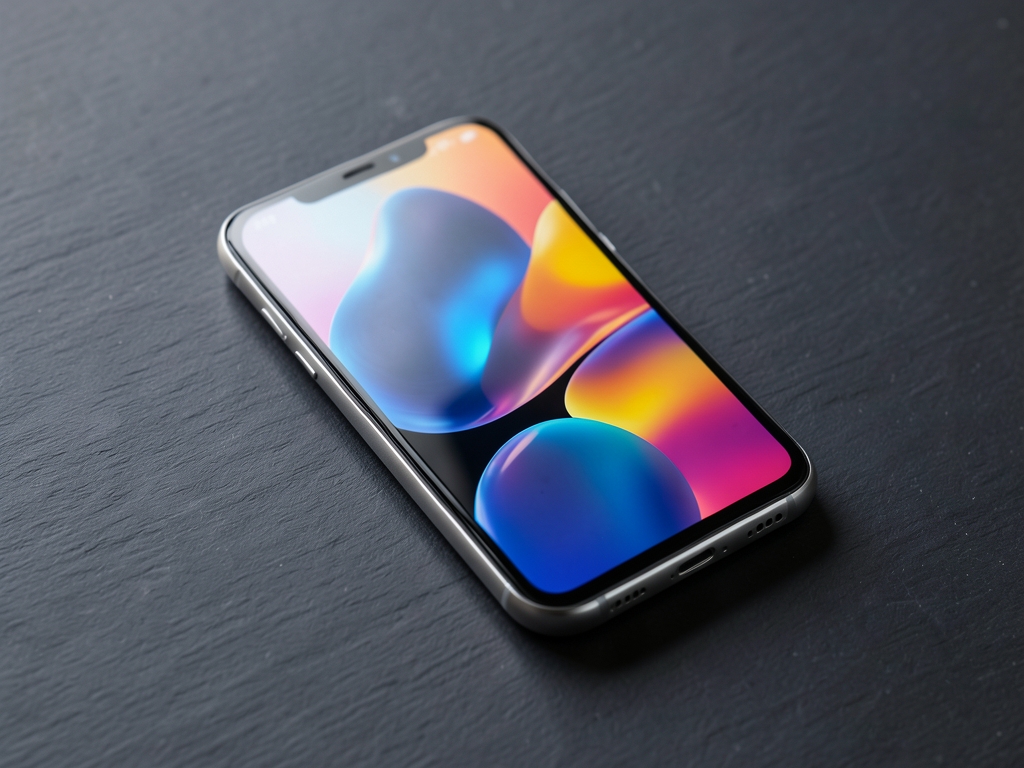
The global smartphone marketplace continues to evolve at a relentless pace, with manufacturers constantly pushing the boundaries of hardware capability, software efficiency, and user experience. As the industry moves forward, flagship releases capture the attention of tech enthusiasts and everyday consumers alike. The recent official revelations surrounding the international version of the Xiaomi 18 Pro Max have brought substantial excitement, particularly regarding its integration of cutting-edge memory configurations and next-generation operating system software. For users in Europe, the United States, and international markets, understanding what these high-end specifications mean for daily performance is essential before making a significant hardware investment.
Modern flagship smartphones are no longer judged solely by their outward aesthetic or raw processor speeds. Consumers now demand seamless multitasking capabilities, long-term software support, advanced thermal management, and sophisticated artificial intelligence integration. The unveiling of devices equipped with robust memory allocations and advanced operating system software underscores a broader industry shift toward future-proofing mobile hardware. This detailed analysis examines the core specifications, design philosophy, and performance implications of the newly revealed international flagship model, providing clear insights into its market positioning.
Core Hardware Specifications and Memory Architecture
At the heart of any high-performance smartphone lies its internal memory and processing architecture. The newly revealed international variant of the Xiaomi 18 Pro Max features a substantial 12GB of RAM, designed to handle intensive computational tasks, heavy multitasking, and resource-heavy mobile applications with remarkable efficiency. High-capacity memory configurations have become a standard benchmark for premium devices, ensuring that background processes remain active without aggressive task-killing or stuttering during intensive use.
In addition to generous RAM capacity, modern flagship devices rely heavily on advanced semiconductor fabrication processes to maintain energy efficiency while delivering peak performance. When paired with high-bandwidth memory standards, an expanded RAM pool allows for instantaneous app switching, smoother gaming experiences, and faster execution of on-device machine learning algorithms. As mobile operating systems become increasingly sophisticated, having adequate headroom in system memory ensures that the device maintains optimal responsiveness throughout its lifecycle.
Furthermore, hardware integration extends beyond raw numbers. Thermal dissipation systems, power management integrated circuits, and display refresh rate synchronization all play a critical role in how a phone utilizes its 12GB of RAM. Manufacturers must balance high-clock-speed performance cores with power-efficient efficiency clusters to prevent thermal throttling during extended gaming sessions or 4K video recording. The internal engineering of the Xiaomi 18 Pro Max reflects a concerted effort to maintain sustained performance under heavy workloads.
The Significance of Android 17 in Modern Flagships
Software support and operating system longevity are paramount considerations for consumers purchasing high-end smartphones. The inclusion of Android 17 on the international version of the Xiaomi 18 Pro Max marks a significant milestone in software delivery. Operating system updates bring vital security patches, privacy enhancements, and user interface refinements that directly impact daily interaction.
Android 17 introduces several under-the-hood optimizations designed to streamline battery consumption and enhance hardware-software synergy. Improved permission management protocols give users finer control over application access, while enhanced background execution limits help preserve battery health over years of continuous usage. For enterprise users and privacy-conscious individuals, these security advancements provide crucial peace of mind in an increasingly connected digital environment.
Moreover, modern mobile operating systems heavily incorporate artificial intelligence frameworks at the system level. From predictive text engines and smart battery allocation to intelligent camera processing pipelines, Android 17 serves as the foundational layer that enables these advanced capabilities. Devices launching with or upgrading directly to the latest software version benefit from immediate compatibility with emerging developer APIs and ecosystem standards.
Display Technology, Visuals, and Ergonomic Design
Visual fidelity remains one of the most critical purchasing drivers for flagship smartphone buyers. Premium devices utilize advanced OLED panel technologies capable of producing deep blacks, vibrant color reproduction, and exceptionally high peak brightness levels for outdoor legibility. The design language of the Xiaomi 18 Pro Max emphasizes slim bezels, curved or symmetrically flat glass panels, and durable chassis materials such as aerospace-grade aluminum or titanium alloys.
Adaptive refresh rate technology, often powered by LTPO backplane architecture, plays a vital role in balancing visual smoothness with battery conservation. By dynamically scaling the display refresh rate from as low as 1Hz for static content up to high refresh rates for fast-moving gaming or scrolling, the device minimizes unnecessary power drain. Ergonomics are equally vital; despite housing massive batteries and complex camera arrays, modern flagship engineering focuses on balanced weight distribution and comfortable grip contours to reduce hand fatigue during prolonged use.
Camera Capabilities and Computational Photography
Smartphone photography has evolved from a secondary feature into the primary imaging tool for millions of users worldwide. Flagship devices incorporate large sensor sizes, multi-lens rear camera arrays, and sophisticated optical image stabilization systems to capture crisp, detailed photographs in challenging lighting conditions.
Computational photography leverages the device's neural processing units and high RAM capacity to instantly merge multiple exposures, reduce noise, and optimize dynamic range. Whether capturing wide-angle landscapes, detailed macro shots, or high-zoom telephoto images, modern smartphones rely on instant data processing to deliver professional-grade results without requiring manual exposure adjustments. Features such as variable aperture lenses and advanced video recording codecs further distinguish top-tier flagships from mid-range alternatives.
Battery Life, Charging Speeds, and Power Management
As mobile processors become more powerful and displays grow brighter, battery endurance and charging technology remain focal points for consumer satisfaction. The modern flagship consumer expects a device that easily lasts a full day of heavy usage while offering rapid replenishment capabilities when energy runs low.
High-density silicon-carbon battery cells and intelligent power management software have enabled manufacturers to pack larger energy reserves into slimmer form factors. Furthermore, advanced fast-charging protocols allow users to recover a significant percentage of battery capacity in a matter of minutes. When combined with software-based charging protection features that regulate current flow overnight or during high-temperature conditions, modern smartphones safeguard long-term battery health effectively.
Practical Considerations for International Buyers
For prospective buyers in Europe and the United States, purchasing an international version of a major smartphone requires careful evaluation of regional network compatibility, warranty support, and software localization.
Info! Always verify local carrier band support, cellular frequency compatibility, and official warranty terms before importing or purchasing international smartphone variants to ensure seamless connectivity.
Different telecommunication providers utilize unique 4G LTE and 5G frequency bands. Ensuring that the chosen device model supports the specific network bands operating in your geographic region is crucial for maintaining reliable voice and data connections. Additionally, software localization, regional plug accessories, and localized customer service channels vary depending on whether the device is purchased through official domestic retail channels or international distributors.
Evaluating total cost of ownership—including potential import duties, shipping fees, and regional taxes—helps buyers make informed financial decisions. While international variants often offer unique specifications or early availability, weighing these factors against local warranty convenience ensures a satisfactory ownership experience.
What RAM capacity does the international version of the Xiaomi 18 Pro Max feature?
The international version of the Xiaomi 18 Pro Max is equipped with 12GB of RAM, designed to provide robust multitasking performance and efficient handling of intensive mobile applications.
Which operating system does the Xiaomi 18 Pro Max run?
This flagship model runs on Android 17, offering advanced system-level optimizations, enhanced security features, and modern artificial intelligence integration.
Are international smartphone variants fully compatible with US and European networks?
Compatibility depends on the specific cellular frequency bands supported by the device. Buyers should check local carrier band requirements to ensure full 4G and 5G network support.
What are the primary benefits of having 12GB of RAM in a modern smartphone?
A 12GB RAM capacity allows for smoother app switching, better retention of background processes, improved gaming performance, and efficient execution of on-device AI tasks.
Conclusion
The revelation of the international Xiaomi 18 Pro Max with 12GB of RAM and Android 17 highlights the continuous upward trajectory of mobile hardware and software engineering. By combining high-capacity memory, modern operating system foundations, and advanced internal architecture, this flagship model sets a high standard for future devices. Consumers evaluating their next smartphone upgrade will find that these sophisticated specifications deliver tangible benefits in daily usability, multitasking efficiency, and long-term performance longevity.
