

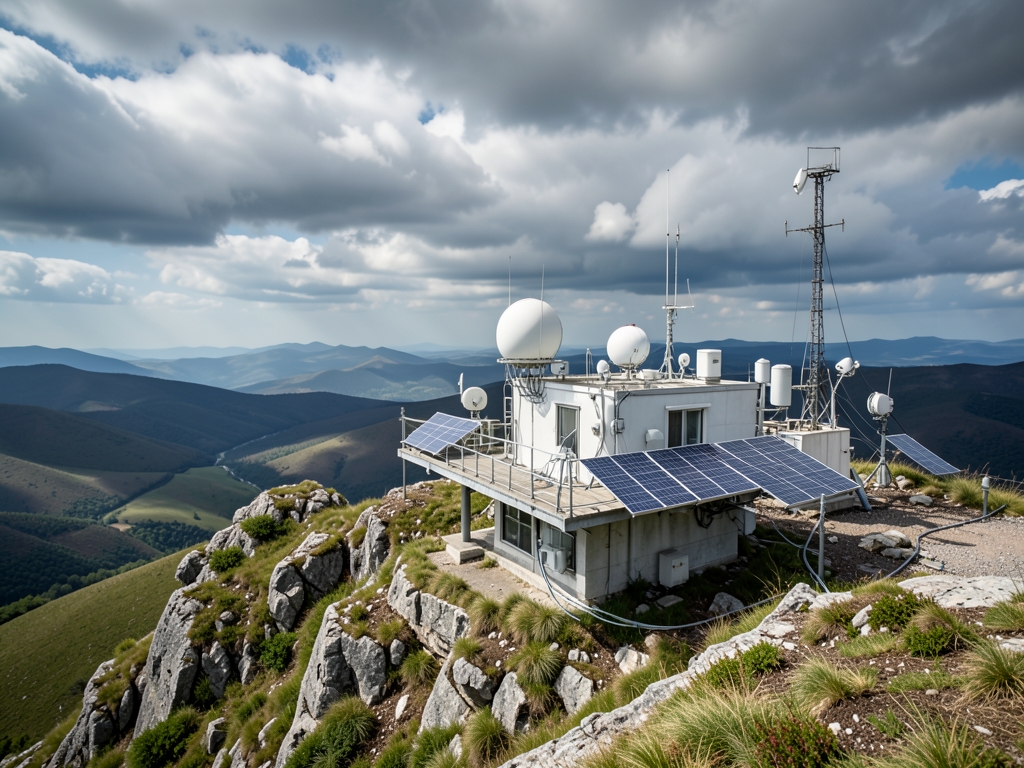
The global climate system continues to exhibit unprecedented volatility as international scientific bodies document compounding thermal anomalies across land and ocean basins. According to comprehensive assessments released by the World Meteorological Organization (WMO), the year 2026 is officially on track to rank among the four warmest years ever recorded in human history. This sustained heating trajectory is heavily influenced by an intensifying El Niño cycle, which is actively supercharging regional weather patterns, accelerating thermal accumulation across the planet, and pushing vital Earth system metrics into uncharted territory. As international delegates convene for major climate deliberations such as COP31, researchers and policymakers face mounting evidence that planetary heat storage is accelerating at a rate that demands immediate, coordinated evaluation.
Understanding the Drivers Behind the 2026 Warmth Anomalies
To comprehend why 2026 stands out in historical climatological records, scientists analyze the dual mechanisms of long-term anthropogenic greenhouse gas accumulation and short-term oceanic oscillations. While background warming provides the foundational energy driving global temperatures upward, cyclical phenomena like El Niño introduce sharp episodic spikes. During an El Niño phase, trade winds weaken, allowing warm surface waters in the western Pacific to migrate eastward. This massive thermal redistribution releases enormous quantities of heat into the atmosphere, temporarily elevating global average surface temperatures.
The WMO's state of the climate updates highlight that this specific El Niño event is acting as an active amplifier. Rather than functioning as a standard cyclical variation, it interacts with an already overloaded planetary heat sink. Oceans, which absorb more than ninety percent of excess anthropogenic heat, have recorded sustained sub-surface and surface temperature anomalies throughout the year. These elevated marine temperatures not only alter atmospheric circulation corridors but also provide abundant moisture and thermal energy to fuel severe weather systems worldwide.
Info! The World Meteorological Organization serves as the United Nations system's authoritative voice on the state and behavior of the Earth's atmosphere, its interaction with the oceans, the wind and climate it produces, and the resulting distribution of water resources.
How El Niño Supercharges Global Weather Extremes
The practical manifestation of this intensified climate state is the dramatic increase in frequency and severity of extreme weather events. Throughout 2026, regions across Europe, North America, Asia, and the Southern Hemisphere have experienced severe disruptions ranging from prolonged drought periods to unprecedented precipitation extremes. When warm ocean currents drive atmospheric rivers inland, coastal and interior regions face intense flooding risks, while adjacent zones suffer from severe agricultural drought driven by persistent high-pressure atmospheric blocking patterns.
Scientists emphasize that the primary danger of these intensified patterns lies in their compounding nature. Ecosystems and human infrastructure that might withstand a single anomalous season struggle to recover when consecutive years deliver compounding stresses. For instance, agricultural yields in semi-arid zones face severe pressure when elevated baseline temperatures coincide with irregular rainfall distribution. Similarly, urban centers unaccustomed to prolonged extreme heatwaves face severe public health challenges, prompting urgent calls for climate resilience and infrastructure adaptation.
Implications for Global Climate Policy and COP31
The release of these stark meteorological findings directly shapes the agenda of high-level international climate summits. As leaders and negotiators gather for the COP31 meetings, discussions inevitably center on the practical realities of passing crucial temperature thresholds. The persistent approach toward and temporary excursions beyond critical warming markers, such as the 1.5°C threshold above pre-industrial levels, underscore the urgency of transitioning away from fossil fuel dependence toward rapid electrification and scalable renewable energy deployment.
However, analysts note that mitigation alone is no longer sufficient; adaptation finance and loss-and-response frameworks must scale rapidly to support vulnerable populations. Island nations, low-lying coastal cities, and agrarian communities dependent on predictable seasonal monsoons face immediate existential challenges. The scientific consensus delivered by international monitoring agencies provides the empirical foundation necessary to demand accelerated policy responses from major global economies.
Ecosystem and Biodiversity Responses to Accelerated Warming
The rapid accumulation of heat in both terrestrial and marine environments triggers profound shifts in global ecosystems. Marine heatwaves threaten delicate coral reef systems, driving widespread bleaching events and disrupting fisheries that sustain millions of coastal inhabitants. On land, altered seasonal cues affect migratory pathways, flowering times, and species interactions. While certain resilient species or adaptive populations—such as specific rodent or plant taxa monitored in recent ecological surveys—may exhibit localized tolerance to warmer summers, broad ecological disruptions remain a major concern for conservation biologists.
| Climate Indicator | Observed Trend (2026) | Primary Driver | Ecological Impact |
|---|---|---|---|
| Global Surface Temperature | Among top 4 warmest years on record | Anthropogenic greenhouse gases & El Niño | Elevated heat stress across terrestrial biomes | Ocean Heat Content | Continued record-high thermal accumulation | Marine energy absorption & circulation shifts | Marine heatwaves & coral bleaching risks |
| Atmospheric Extremes | Intensified frequency of droughts and floods | Altered jet stream and moisture transport | Agricultural disruption & infrastructure strain |
Practical Steps for Regional and Community Climate Resilience
As global agencies continue to track these unprecedented meteorological shifts, local communities, municipalities, and regional planners must implement proactive adaptation strategies. Effective resilience planning requires integrating up-to-date scientific data into long-term infrastructure design, urban greening projects, and emergency preparedness frameworks.
- Upgrade Infrastructure Heat Tolerance: Municipalities should evaluate asphalt, public transit systems, and electrical grids to withstand prolonged high-temperature episodes without catastrophic failure.
- Enhance Early Warning Systems: Expand local meteorological monitoring and community alert networks to provide advanced notice of extreme heatwaves, flash floods, and severe storms.
- Protect Natural Buffers: Invest in the restoration of coastal wetlands, mangroves, and urban forests to absorb excess water, reduce urban heat island effects, and protect biodiversity.
- Promote Water Conservation: Implement efficient water management policies and agricultural irrigation upgrades to prepare for prolonged drought conditions driven by shifting climate patterns.
Why is 2026 expected to be one of the warmest years on record?
The sustained high temperatures in 2026 are driven by a combination of long-term global warming caused by greenhouse gas emissions and the short-term thermal amplification from an intensifying El Niño cycle.
What role does El Niño play in supercharging extreme weather?
El Niño alters atmospheric circulation patterns and releases vast amounts of heat from the tropical Pacific Ocean into the atmosphere, increasing the frequency and intensity of droughts, floods, and heatwaves globally.
How do these climate reports influence international summits like COP31?
Official scientific assessments provide the empirical baseline that negotiators use to evaluate emissions reduction targets, accelerate the transition to renewable energy, and strengthen climate adaptation financing.
What are the primary ecological risks associated with accelerated planetary heating?
Primary ecological risks include severe marine heatwaves causing coral bleaching, disruption of agricultural systems, habitat loss for vulnerable wildlife species, and increased frequency of destructive wildfires.
Conclusion
The WMO findings for 2026 underscore a critical reality: the Earth is transitioning into an era characterized by pronounced climate extremes and accelerated thermal accumulation. While the immediate drivers such as intensifying El Niño cycles introduce acute volatility, the underlying upward trend in global temperatures demands persistent, evidence-based action. By combining robust international climate negotiations with localized resilience planning, communities and governments can better navigate the complex environmental challenges defining the modern planetary landscape.
