

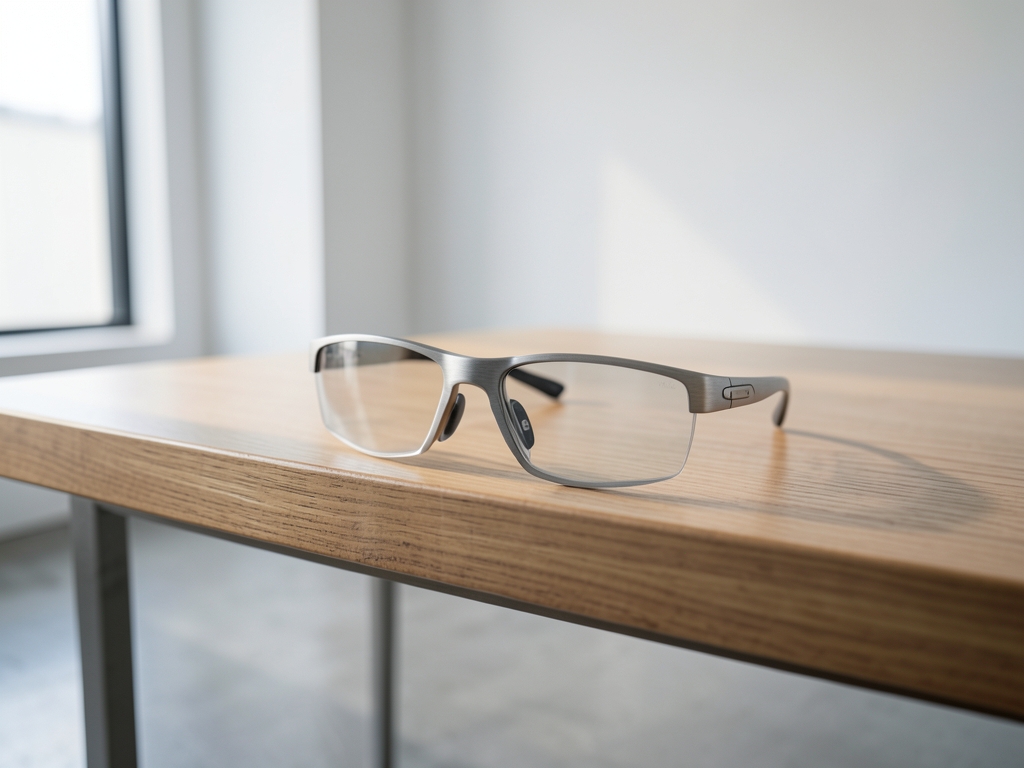
Apple’s ongoing exploration of augmented reality and wearable computing has entered a decisive new phase, as industry reports and supply chain insights highlight a concentrated hardware and software strategy for upcoming smart glasses. Rather than rushing a standalone mixed-reality headset into an already crowded consumer market, the technology giant is reportedly centering its 2027 wearable ambitions around advanced artificial intelligence capabilities powered directly by Siri. This strategic shift reflects a broader industry movement toward lightweight, everyday smart eyewear that relies on ambient intelligence, contextual voice commands, and seamless ecosystem connectivity rather than bulky standalone displays.
As technology enthusiasts and enterprise analysts monitor the horizon, understanding how on-device AI integration changes wearable hardware design is essential. This article explores the reported roadmap behind Apple’s smart glasses initiative, the engineering challenges of combining computer vision with lightweight frames, and what consumers in Europe, the United States, and international markets can expect from the next evolution of personal computing.
The Strategic Pivot Toward Ambient AI in Wearables
For years, the consumer electronics industry experimented with various iterations of smart eyewear, ranging from early camera-equipped frames to complex augmented reality visors. Many of these early attempts struggled with battery limitations, thermal dissipation, and a lack of compelling day-to-day utility. By focusing specifically on Siri-driven artificial intelligence applications, manufacturers hope to solve the fundamental question of why users should wear connected glasses instead of simply pulling a smartphone from their pocket.
Recent industry reporting indicates that Apple’s upcoming device strategy relies heavily on natural language processing and multimodal AI models to interpret a user’s immediate surroundings. Instead of requiring heavy graphical user interfaces projected across the entire field of vision, the concept emphasizes discreet audio feedback, contextual awareness, and voice-activated assistance. When a user looks at a landmark, a restaurant menu, or a foreign street sign, integrated microphones and cameras could allow Siri to process visual data in real-time, delivering immediate translations, directions, or factual answers without visual clutter.
| Feature Focus | Early AR Headsets | Next-Gen AI Smart Glasses |
|---|---|---|
| Form Factor | Bulky visor with heavy optics | Lightweight traditional frames |
| Primary Input | Hand gestures and controllers | Voice commands and ambient AI |
| Battery Life | 2 to 3 hours | All-day practical usage |
| Core Use Case | Immersive gaming and media | Real-time context and assistance |
Engineering Challenges in Lightweight Smart Eyewear
Designing a pair of smart glasses that looks indistinguishable from standard prescription eyewear remains one of the most formidable challenges in modern hardware engineering. Packing batteries, processing chips, wireless antennas, speakers, and optical sensors into a frame weighing less than fifty grams requires extreme miniaturization.
Thermal management is another critical hurdle. Traditional smartphones and tablets dissipate heat through large chassis surfaces, but eyewear sits directly against the user’s face and ears. Efficient silicon architecture is therefore mandatory. Manufacturers must rely on highly specialized, energy-efficient neural processing units that execute complex AI tasks locally without generating excessive heat or draining the battery within an hour.
Info! Local on-device processing also enhances user privacy, ensuring that voice commands and visual data do not constantly stream to cloud servers for basic interpretation.
The Broader Competitive Landscape
Apple is not alone in redefining the smart eyewear category. Competitors across the technology sector continue to invest heavily in audio-first glasses, HUD-enabled frames, and integrated artificial intelligence assistants. Meta, major consumer electronics brands in Asia, and specialized enterprise technology firms are all vying to establish dominance in the augmented reality space.
However, the key differentiator for any ecosystem player is software integration. A pair of glasses is only as useful as the digital ecosystem supporting it. Seamless synchronization with smartphones, smartwatches, and cloud services allows wearable devices to act as an extension of the user’s digital life rather than an isolated gadget. As competition intensifies, user expectations for battery longevity, privacy controls, and optical clarity continue to rise.
Practical Considerations for Future Buyers
For consumers watching these developments unfold, understanding the trajectory of wearable technology helps guide future purchasing decisions. While early adopters embraced experimental headsets, mainstream consumers have shown a strong preference for practical, unobtrusive devices that integrate naturally into daily routines.
- Evaluate Form Factor: Prioritize comfort and weight when considering future eyewear purchases.
- Assess Ecosystem Compatibility: Ensure that any future smart glasses integrate smoothly with your existing smartphone and operating system.
- Monitor Privacy Settings: Review how voice recordings and visual data are processed and stored by the manufacturer.
The success of next-generation smart glasses will ultimately depend on whether artificial intelligence can deliver genuine utility without compromising comfort, battery life, or personal privacy.
As development timelines point toward 2027 and beyond, the convergence of advanced silicon, efficient batteries, and conversational AI promises to transform personal electronics once again. Whether these upcoming devices successfully redefine everyday computing remains to be seen, but the industry’s current trajectory signals a major turning point for wearable innovation.
When are Apple’s smart glasses expected to launch?
Industry reports and supply chain forecasts point toward a potential release window around 2027, though official corporate timelines remain subject to hardware development progress.
What role does Siri play in the new smart glasses design?
Siri serves as the primary conversational interface, utilizing advanced artificial intelligence to interpret voice commands, environmental context, and user queries without requiring complex visual menus.
Why are lightweight frames difficult to engineer?
Engineers must fit processors, batteries, wireless radios, and optical sensors into a frame weighing only a few dozen grams while managing thermal dissipation and maintaining all-day battery life.
Will these smart glasses require a connected smartphone?
Like most modern wearables, initial models are expected to rely heavily on companion smartphones for advanced data connectivity, processing backup, and internet access.
