

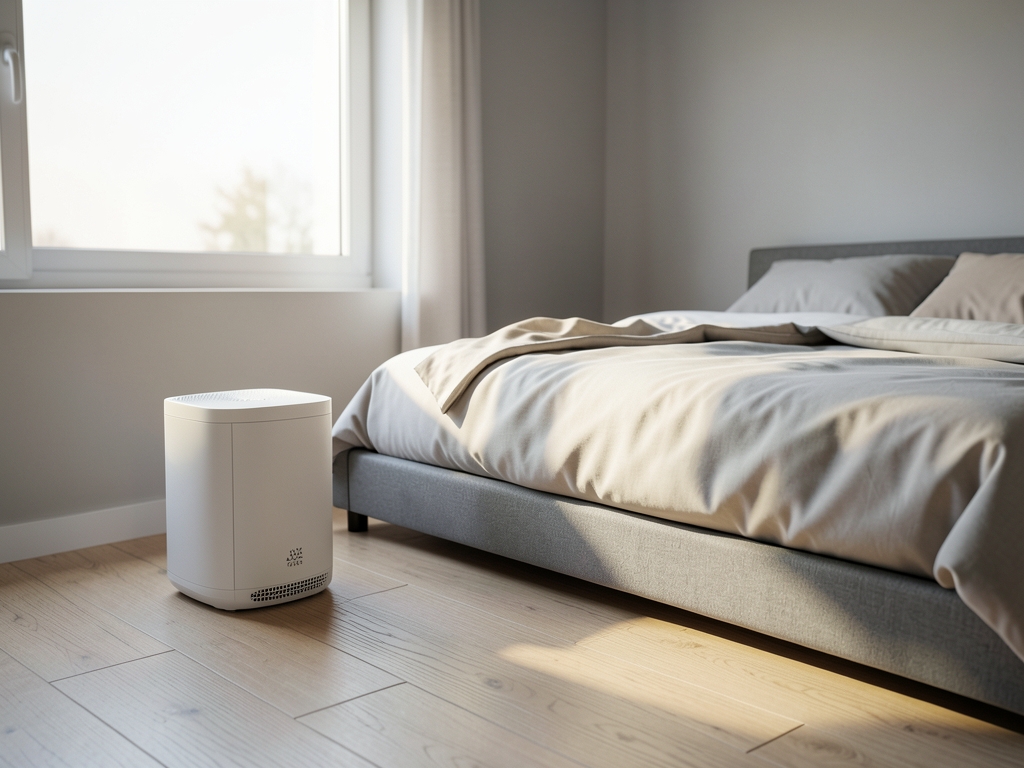
Maintaining stable metabolic health and keeping blood sugar levels within a healthy range is a multifaceted challenge. Millions of individuals worldwide rely on structured dietary habits, regular physical exercise, and consistent medical guidance to manage their glucose levels. However, medical research increasingly highlights the profound impact that our immediate environment—particularly the air we breathe while sleeping—can exert on our internal physiology. Recent scientific investigations have begun to uncover intriguing connections between indoor air quality and metabolic function, prompting renewed interest among researchers and health-conscious individuals alike.
Understanding how ambient particulate matter and microscopic airborne pollutants interact with human metabolism opens new doors for preventative health strategies. While lifestyle factors such as nutrition and physical activity remain the foundational pillars of metabolic well-being, environmental modifications within the home may offer complementary benefits. This comprehensive analysis explores recent scientific findings regarding bedroom air purifiers, examines the underlying biological mechanisms connecting air purity to metabolic regulation, and provides practical insights for optimizing your personal sleep environment.
The Connection Between Air Quality and Metabolic Health
For decades, environmental health studies have primarily focused on the cardiovascular and respiratory consequences of breathing polluted air. High concentrations of fine particulate matter, commonly referred to as PM2.5, have been linked to chronic lung conditions, heart disease, and systemic inflammation. However, emerging clinical and epidemiological research suggests that the physiological toll of airborne pollutants extends far deeper into human metabolic pathways.
When microscopic pollutants enter the respiratory tract, they cross the alveolar-capillary membrane and enter the bloodstream, triggering an immediate immune response. This systemic inflammatory cascade involves the release of pro-inflammatory cytokines and oxidative stress markers, which can interfere with insulin signaling pathways. Over time, chronic low-grade systemic inflammation contributes to insulin resistance—a condition wherein cells fail to respond effectively to insulin, ultimately leading to elevated blood glucose levels.
Because individuals spend approximately a third of their lives sleeping in their bedrooms, the indoor air quality of this specific living space plays a disproportionate role in cumulative daily exposure. Reducing airborne particulate concentrations in the bedroom may mitigate overnight inflammatory triggers, thereby supporting more stable metabolic functioning and healthy blood sugar regulation over the long term.
What Recent Research Reveals About Bedroom Air Purifiers
Recent scientific studies evaluating indoor environmental interventions have focused specifically on the physiological impact of deploying high-efficiency particulate air (HEPA) purifiers in residential sleeping quarters. These investigations generally seek to determine whether mechanical filtration of indoor air can measurably alter biomarkers associated with metabolic health and glycemic control.
Clinical trials assessing bedroom air purification typically measure changes in fasting blood glucose, hemoglobin A1c levels, and insulin sensitivity among participants over defined observation periods. While findings emphasize that air purifiers are not a standalone treatment or cure for metabolic disorders, data suggests that filtering fine particulate matter and allergens from the immediate sleeping environment can lead to statistically significant improvements in systemic inflammatory markers and secondary glycemic indicators.
Researchers stress that these benefits are most pronounced when air purifiers operate continuously throughout the night, ensuring a low-pollutant threshold during periods of deep rest when cellular repair and hormonal regulation are most active. Furthermore, individuals residing in urban environments or areas prone to seasonal wildfire smoke or high traffic density appear to experience the most noticeable physiological relief from enhanced bedroom air filtration.
Biological Mechanisms: How Air Pollution Influences Glucose Regulation
To fully appreciate why a bedroom air purifier might support healthy blood sugar, it is helpful to examine the precise physiological pathways connecting airborne toxins to glucose metabolism. The human body perceives fine particulate matter as a foreign threat, initiating a complex chain reaction involving several key biological systems:
- Systemic Inflammation: Inhaled particles stimulate pulmonary immune cells, releasing inflammatory signaling proteins that circulate throughout the body and impair insulin receptor sensitivity.
- Oxidative Stress: Reactive oxygen species generated in response to particulate exposure damage cellular structures, disrupting normal metabolic enzyme functions.
- Autonomic Nervous System Activation: Pollutants can stimulate nerve endings in the lungs, altering sympathetic nervous system tone and influencing hepatic glucose production and release.
- Hormonal Disruption: Chronic activation of the stress response system leads to elevated cortisol levels, which naturally counteract insulin and elevate circulating blood sugar.
By effectively removing the particulate triggers that initiate this cascade, high-quality air filtration helps maintain a calmer internal environment, allowing metabolic processes to function with fewer disruptions.
Practical Guidelines for Choosing and Using a Bedroom Air Purifier
If you are considering incorporating an air purifier into your bedroom to support your overall health and wellness routine, selecting the appropriate equipment and maintaining it correctly is essential. Not all air cleaning devices offer the same level of performance or safety.
Info! Always look for air purifiers equipped with genuine HEPA filters capable of capturing 99.97% of particles down to 0.3 microns in size, as these are the microscopic pollutants most strongly linked to systemic inflammation.
When evaluating options for your sleeping space, consider the following practical implementation strategies:
- Calculate the clean air delivery rate (CADR) required for your specific bedroom dimensions to ensure adequate air turnover throughout the night.
- Select a model that operates quietly on its lowest settings to prevent sleep disruption from mechanical humming or fan noise.
- Avoid devices that generate ozone as a byproduct of ionization or electrostatic precipitation, as ozone is a potent respiratory irritant that can worsen inflammation.
- Establish a regular maintenance schedule to replace pre-filters and HEPA cartridges according to the manufacturer's recommendations to sustain optimal filtration efficiency.
Integrating these devices into your bedroom is most effective when combined with other indoor air quality best practices, such as minimizing the use of synthetic chemical fragrances, keeping windows appropriately closed during high pollution advisories, and maintaining regular household cleaning routines.
Limitations and Context of Environmental Interventions
While the emerging research linking bedroom air purifiers to healthy blood sugar is promising, it is crucial to view these findings within a realistic clinical context. Environmental remediation represents a supportive, adjunctive tool rather than a primary medical intervention for diagnosed metabolic conditions such as type 2 diabetes or severe insulin resistance.
Healthcare professionals emphasize that dietary choices, physical activity, sleep duration, stress management, and prescribed pharmaceutical regimens remain the foundational pillars of glycemic control. An air purifier cannot undo the metabolic impacts of poor nutrition or sedentary habits; instead, it functions best as a supportive measure designed to reduce the cumulative burden of environmental stressors on the body.
Environmental health interventions like bedroom air purification offer a complementary layer of protection, helping to reduce the invisible inflammatory burdens that quietly challenge our metabolic resilience every single night.
As research in this field continues to evolve, future studies will likely provide even clearer insights into how targeted indoor environmental controls can be personalized to optimize health outcomes across diverse populations.
Do bedroom air purifiers directly lower blood sugar levels?
Air purifiers are not a direct medical treatment or cure for elevated blood sugar. Instead, clinical research suggests they help by reducing indoor particulate matter that triggers systemic inflammation and insulin resistance, thereby supporting overall metabolic health as part of a comprehensive lifestyle routine.
What type of air filter is best for metabolic and respiratory health?
True HEPA (High-Efficiency Particulate Air) filters are considered the gold standard. They capture at least 99.97% of airborne particles down to 0.3 microns, including fine dust, pollen, pet dander, and microscopic combustion pollutants that contribute to bodily inflammation.
How many hours a day should a bedroom air purifier run?
For optimal results, an air purifier should run continuously 24 hours a day on a quiet setting, or at least throughout the entire night while you sleep, ensuring a consistently low-pollutant environment during your body's critical recovery window.
Can air purifiers replace diet and exercise in managing blood sugar?
No. Environmental modifications are strictly supportive measures. Proper nutrition, regular physical exercise, adequate sleep, and medical guidance remain the essential, irreplaceable foundations for achieving and maintaining healthy blood sugar levels.
Conclusion
The growing body of research examining indoor air quality and metabolic health underscores the profound interconnectedness of our living environment and our internal physiology. While bedroom air purifiers are not a miraculous standalone solution for blood sugar management, scientific evidence highlights their value in reducing airborne particulate exposure and mitigating systemic inflammation. By combining clean air practices with balanced nutrition, regular exercise, and healthy sleep habits, individuals can take a proactive, holistic approach to protecting their long-term metabolic well-being.
