

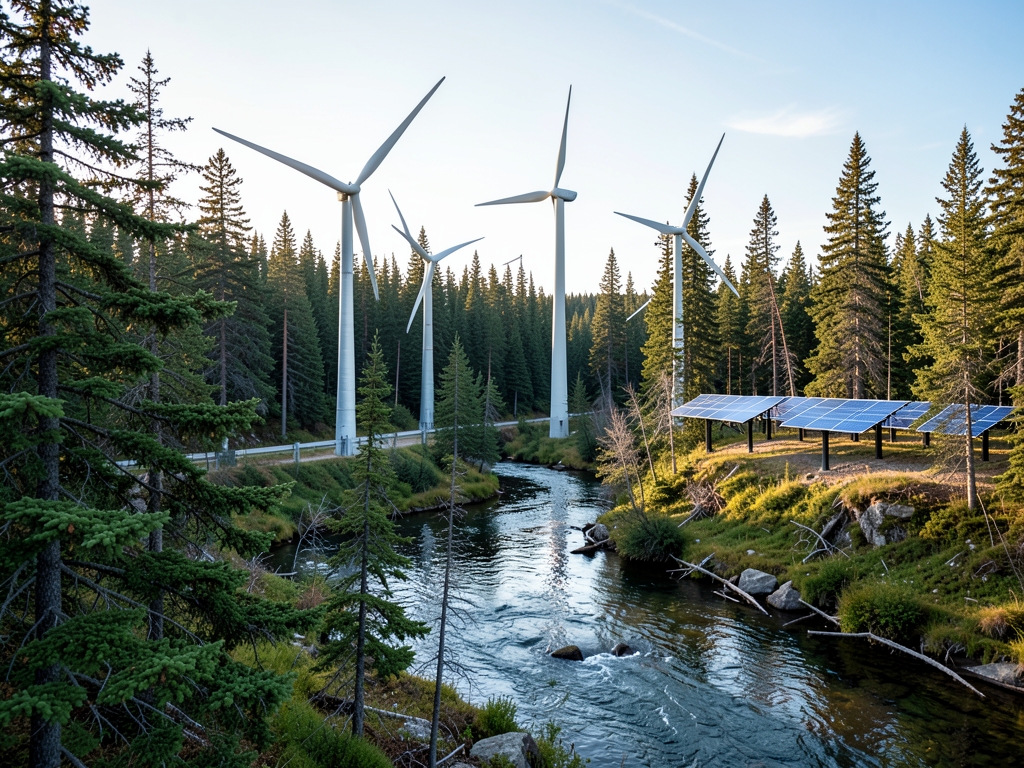
The complex relationship between national infrastructure expansion and environmental preservation remains one of the most pressing policy challenges in modern ecological management. As nations strive to modernize transportation corridors, energy grids, and urban spaces, the pressure on native ecosystems and wildlife habitats intensifies. In Canada, where vast wilderness areas and resource-rich territories define the landscape, policymakers, scientists, and engineers continually evaluate how large-scale construction projects can proceed without inflicting permanent damage on local biodiversity. Finding a viable path forward requires rigorous scientific monitoring, innovative spatial planning, and an unwavering commitment to ecological stewardship.
Balancing economic progress with environmental defense is not merely a theoretical debate; it is an active operational framework that shapes how modern projects are conceived and executed. Traditional development models often treated natural habitats as secondary concerns, resulting in fragmented ecosystems, disrupted migration corridors, and accelerated species decline. Contemporary environmental strategies, however, emphasize proactive mitigation, ecological connectivity, and science-based land-use policies that aim to protect vulnerable species while accommodating necessary civil infrastructure.
The Ecological Stakes of Modern Infrastructure Expansion
Canada’s diverse geography encompasses sweeping boreal forests, extensive wetland systems, tundra, and mountainous terrain, each supporting complex webs of endemic flora and fauna. When roads, railways, transmission lines, and industrial facilities cut across these regions, they introduce significant disturbances. Habitat fragmentation isolates wildlife populations, limits genetic exchange, and increases mortality rates due to vehicle collisions and human-wildlife encounters.
Furthermore, infrastructure projects often alter local hydrology and microclimates. Road embankments can dam natural water flows, creating artificial wetlands in some areas while starving downstream ecosystems of essential moisture. Soil compaction and vegetation removal accelerate erosion, depositing sediment into pristine river systems where sensitive aquatic species spawn. Recognizing these impacts is the first step toward designing engineering solutions that minimize ecological disruption.
Info! Effective conservation planning integrates ecological assessments during the earliest feasibility stages of any major civil engineering project, long before heavy machinery breaks ground.
Integrating Ecological Science Into Engineering Design
Modern conservation science provides developers with sophisticated tools to predict and mitigate environmental harm. Geographic Information Systems (GIS), satellite telemetry, and advanced ecological modeling allow researchers to map critical wildlife corridors, nesting sites, and sensitive plant communities with high precision. By overlaying infrastructure blueprints onto these high-resolution ecological maps, planners can reroute linear projects to bypass critical habitats entirely.
When avoidance is impossible, engineers employ specialized wildlife crossing structures, such as overpasses and underpasses vegetated with native species, to maintain ecological connectivity. These structures allow mammals, amphibians, and reptiles to traverse busy transportation corridors safely, significantly reducing fragmentation effects. Additionally, subterranean culverts designed with natural riverbed substrates ensure that aquatic organisms can migrate freely upstream and downstream without obstruction.
Policy Frameworks and Regulatory Safeguards
Regulatory oversight plays a pivotal role in ensuring that infrastructure development aligns with national and international conservation commitments. Environmental impact assessments (EIAs) serve as the primary legal mechanism for evaluating potential ecological risks before a project receives final approval. These assessments require comprehensive baseline studies, public consultations, and rigorous peer review by independent scientists.
In recent years, regulatory frameworks have evolved to incorporate cumulative effects analysis. Rather than evaluating a single project in isolation, modern assessments examine how a proposed development interacts with existing industrial footprints, climate shifts, and historical habitat loss. This holistic perspective prevents the gradual, death-by-a-thousand-cuts degradation of regional ecosystems that single-project evaluations often overlook.
Protecting biodiversity while building vital infrastructure requires shifting from reactive environmental mitigation to proactive, landscape-scale ecological planning that prioritizes long-term resilience.
Indigenous Knowledge and Community-Led Conservation
Indigenous communities across Canada possess generations of empirical knowledge regarding local ecosystems, wildlife behavior, and sustainable land stewardship. Integrating Indigenous Traditional Knowledge (ITK) into infrastructure planning offers invaluable insights that western scientific surveys alone may miss. Indigenous guardians and land stewards monitor environmental changes, identify subtle shifts in animal populations, and guide developers away from sacred sites and ecologically sensitive zones.
Collaborative partnerships between government agencies, private developers, and Indigenous nations foster transparent decision-making and ensure that conservation priorities reflect the interests of those who have inhabited and protected the land for millennia. This cooperative model not only improves environmental outcomes but also upholds social equity and reconciliation principles in major development projects.
Innovative Approaches to Habitat Restoration and Offset Programs
Even with advanced planning, many large-scale infrastructure projects result in unavoidable residual environmental impacts. To address these losses, conservation scientists rely on robust mitigation banking and ecological offset programs. These initiatives require developers to restore, enhance, or permanently protect equivalent habitats elsewhere to achieve a net-neutral or net-positive biodiversity outcome.
Successful offset programs focus on landscape restoration rather than superficial tree-planting exercises. Restoring degraded agricultural lands to functional wetlands, reintroducing native vegetation to abandoned industrial sites, and removing obsolete barriers from river systems help rebuild resilient ecosystems that can withstand climate pressures. Monitoring these restored sites over decades ensures that ecological functions are genuinely recovered rather than merely promised on paper.
How can infrastructure development and biodiversity protection coexist?
Coexistence is achieved through rigorous early-stage ecological planning, rerouting projects away from critical habitats, constructing wildlife overpasses and underpasses, and enforcing comprehensive environmental impact assessments.
What role do wildlife crossings play in modern construction?
Wildlife crossings, such as vegetated overpasses and subterranean culverts, maintain ecological connectivity by allowing animals to safely traverse busy transportation corridors, thereby reducing habitat fragmentation and vehicle collisions.
Why is cumulative effects analysis important for environmental reviews?
Cumulative effects analysis evaluates how a proposed project interacts with existing industrial footprints and climate pressures, preventing the gradual degradation of regional ecosystems caused by multiple overlapping developments.
How do ecological offset programs compensate for unavoidable habitat loss?
Ecological offset programs require developers to fund the long-term restoration, enhancement, or permanent protection of equivalent natural habitats elsewhere to achieve a net-positive biodiversity outcome.
As industrial and urban demands continue to grow, the imperative to harmonize economic development with environmental preservation becomes ever more critical. By leveraging advanced ecological science, respecting Indigenous traditional knowledge, and enforcing strict regulatory oversight, society can build the infrastructure necessary for modern life while safeguarding the rich natural heritage that sustains future generations.
