

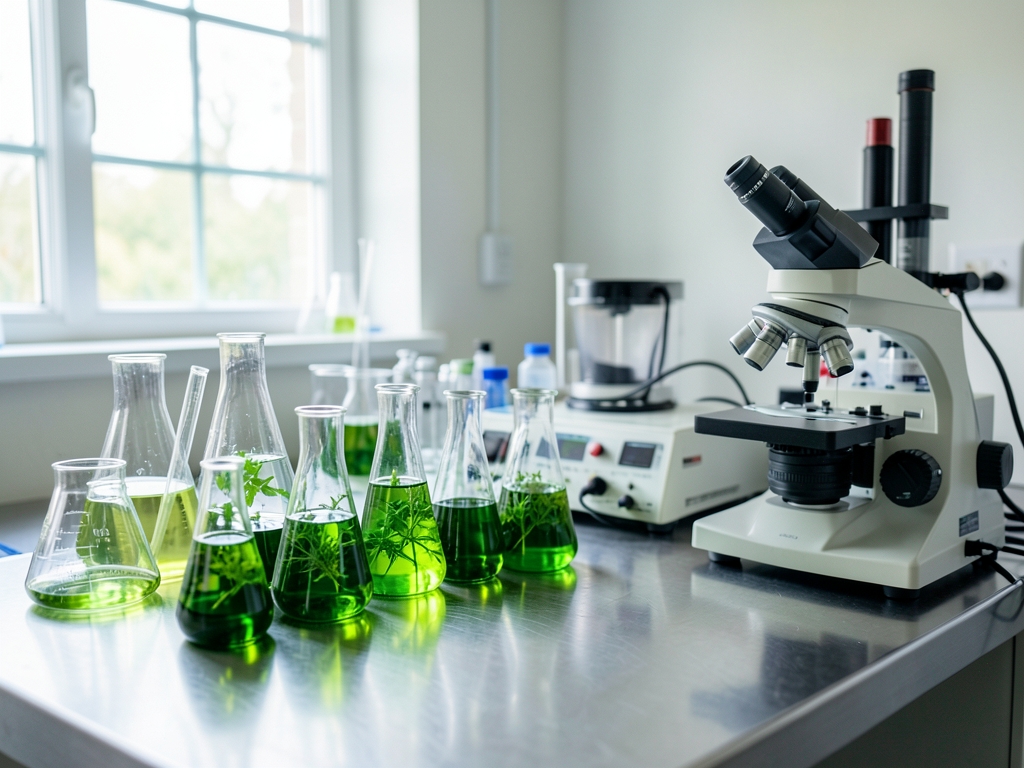
Recent scientific investigations into regional flora have increasingly turned toward traditional pharmacopeias to discover novel therapeutic agents. A recent laboratory study focusing on native plant species from the Kashmir region has demonstrated notable inhibitory effects against human lung and prostate cancer cell lines. While these findings remain strictly within the pre-clinical domain, they offer a compelling glimpse into how botanical compounds might eventually contribute to modern oncology and targeted drug discovery frameworks.
The Botanical Heritage of Kashmir in Modern Pharmacology
The mountainous terrain of Kashmir is renowned for its diverse ecological zones and rich endemic flora. For centuries, local populations have utilized native vegetation for traditional healing practices. Modern pharmacologists and botanists have increasingly sought to validate these traditional uses through rigorous biochemical analysis. By isolating specific secondary metabolites—such as flavonoids, alkaloids, and terpenoids—researchers aim to identify molecules capable of selectively targeting malignant cells without causing widespread systemic toxicity.
In laboratory environments, screening crude extracts and purified fractions against immortalized cancer cell lines serves as the foundational step in drug development. The recent studies on Kashmiri plants specifically targeted adenocarcinoma cells associated with lung cancer and androgen-sensitive or insensitive prostate cancer lines. The observed antiproliferative activity has prompted further fractionation to pinpoint the exact active chemical structures responsible for halting tumor cell replication.
Cellular Mechanisms and Laboratory Findings
Understanding how botanical extracts influence cancer cell physiology requires advanced molecular biology techniques. In the recent laboratory investigations, researchers evaluated cell viability, apoptotic induction, and cell cycle arrest following exposure to the plant-derived compounds.
When malignant cells encounter potent phytochemicals, several biochemical pathways can be triggered. The most desirable outcome in cancer research is the induction of apoptosis, or programmed cell death, which prevents mutated cells from multiplying uncontrollably. Additionally, researchers monitor whether the compounds arrest the cell cycle at critical checkpoints, such as the G1 or G2/M phases, thereby inhibiting rapid tumor growth.
| Parameter Tested | Observed Effect | Implications for Further Research |
|---|---|---|
| Cell Proliferation | Significant reduction in viability | Indicates active cytotoxic or cytostatic compounds |
| Apoptotic Induction | Upregulation of pro-apoptotic markers | Suggests targeted triggering of cell death |
| Cell Cycle Progression | Arrest at specific check points | Prevents uncontrolled DNA replication in cancer cells |
Although these laboratory metrics are encouraging, scientists emphasize a crucial distinction between in vitro efficacy and clinical success. Many compounds demonstrate remarkable potency in petri dishes or isolated cell cultures but fail to exhibit the same selective toxicity within complex living organisms due to poor bioavailability, rapid metabolism, or adverse interactions with healthy tissues.
The Transition from Benchtop to Pre-Clinical Models
Moving from a successful in vitro assay to an approved therapeutic agent is a notoriously arduous journey. Once a promising plant extract shows activity against lung and prostate cancer cells in the laboratory, the research protocol must systematically advance through several distinct phases.
- Isolation and Characterization: Chemists separate the crude plant extract into individual chemical components using chromatography and spectroscopy to identify the precise active molecule.
- Mechanistic Validation: Researchers study the molecular interactions between the isolated compound and specific cellular receptors or signaling pathways.
- Pre-Clinical Animal Testing: Promising molecules are evaluated in animal models to assess pharmacokinetics, toxicity profiles, and therapeutic windows in a living physiological system.
- Clinical Trials: Human trials are conducted across multiple phases to establish safety, optimal dosing, and clinical efficacy against specific cancers.
This multistep pipeline ensures that only compounds with a favorable benefit-risk ratio advance toward clinical application. Consequently, observations from preliminary laboratory studies should be interpreted as foundational discoveries rather than immediate medical treatments.
Broader Implications for Natural Product Drug Discovery
The exploration of regional biodiversity aligns with a broader resurgence in natural product drug discovery. Historically, a substantial proportion of approved chemotherapeutic agents derive directly from natural sources, including terrestrial plants, marine organisms, and microbial metabolites. Taxol, derived from the Pacific yew tree, and vincristine, isolated from the Madagascar periwinkle, stand as classic examples of plant-derived compounds that revolutionized cancer treatment.
Natural products continue to serve as nature's chemical library, providing complex molecular scaffolds that synthetic chemists often struggle to design from scratch. Investigating regional floras like those found in Kashmir expands our biochemical repertoire and opens new avenues for pharmaceutical innovation.
Info! Laboratory findings regarding plant extracts highlight potential leads for drug development, but they do not constitute medical advice or validated cures for cancer patients.
As artificial intelligence and high-throughput screening technologies accelerate the identification of active molecules, traditional botanical knowledge provides an invaluable compass. Rather than screening millions of random synthetic molecules, researchers can focus their computational and biochemical resources on plants with a long history of human interaction and observed biological activity.
Challenges in Standardizing Botanical Therapeutics
One of the primary hurdles in developing medicines from whole plants or crude extracts is chemical variability. Unlike synthetic small-molecule drugs that consist of a single, highly purified chemical entity, plants produce varying concentrations of secondary metabolites depending on environmental factors such as soil composition, altitude, seasonal rainfall, and harvest timing.
Warning! Consuming unverified herbal concoctions based on preliminary laboratory studies can be dangerous, as crude plant extracts may contain toxic compounds or interfere with prescribed medications.
To overcome these challenges, pharmaceutical researchers focus on isolating pure active ingredients or establishing stringent agricultural and processing standards to ensure batch-to-batch consistency. Without rigorous standardization, clinical reproducibility remains difficult to achieve, underscoring the necessity of strict laboratory controls in botanical research.
What did the recent study on Kashmir plants discover?
The laboratory study found that specific plant extracts from the Kashmir region demonstrated promising inhibitory and antiproliferative effects against human lung and prostate cancer cell lines.
Are these plant extracts ready to be used as a cancer treatment?
No. The findings are strictly from early laboratory cell-culture tests. Extensive pre-clinical animal testing and clinical trials are required before any therapeutic application can be established.
Why are natural products important in cancer drug discovery?
Natural products provide complex molecular structures evolved over millennia that often possess unique biological activities, serving as valuable starting points for developing novel pharmaceutical drugs.
What are the next steps for researchers studying these botanical compounds?
Researchers will focus on isolating the specific active chemical compounds within the extracts, studying their precise mechanisms of action, and testing their safety and efficacy in animal models.
Conclusion
The laboratory study highlighting the potential of Kashmir plants against lung and prostate cancer underscores the enduring value of biodiversity in scientific research. By bridging traditional botanical knowledge with modern molecular analysis, researchers continue to uncover promising leads for future oncology treatments. While these findings remain at an early, pre-clinical stage, they reinforce the importance of continued exploration into natural compounds and their complex interactions with human cellular biology.
