

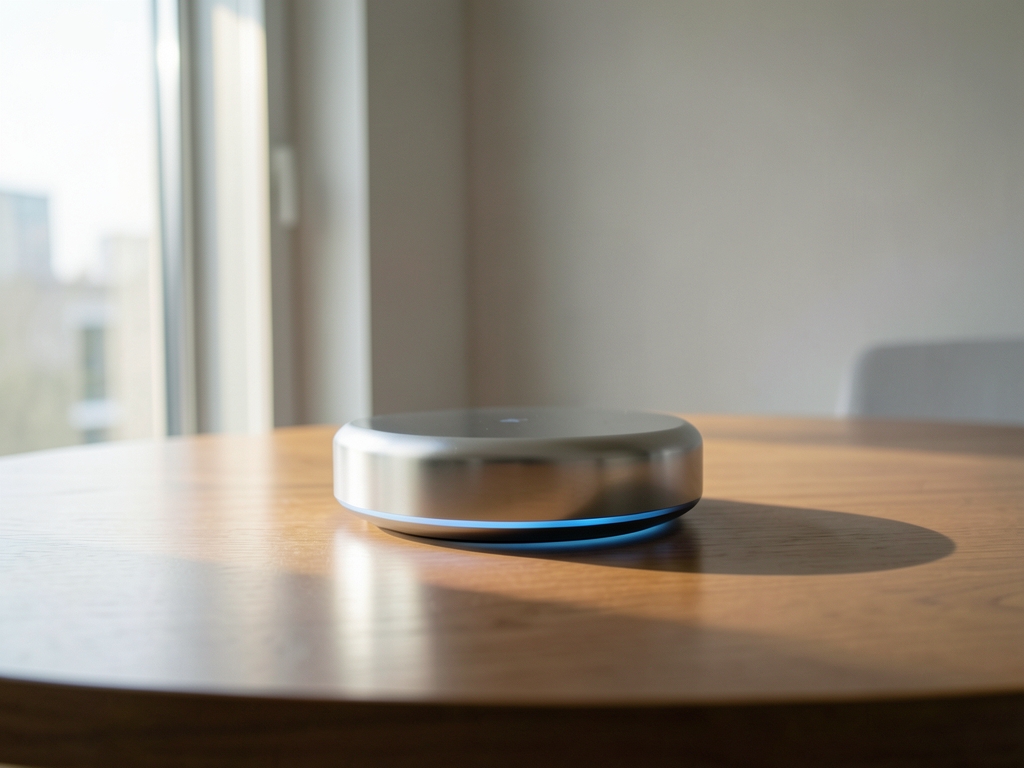
The consumer technology landscape is experiencing a profound shift toward ambient computing, physical artificial intelligence, and dedicated wearable accessories. Recent strategic maneuvers from major platform developers underscore a widespread race to establish hardware ecosystems that move beyond traditional smartphones and conventional rectangular displays. Industry reporting has brought fresh clarity to upcoming product roadmaps, highlighting how leading technology giants are timing their physical deployments to match evolving artificial intelligence capabilities. Central to this wave of hardware innovation are strategic schedule adjustments, pricing targets for novel form factors, and an increased emphasis on deeply integrated assistant workflows that redefine how users interact with consumer electronics on a daily basis.
Analyzing the strategic adjustments made by major ecosystem architects provides vital insight into the broader trajectory of modern computing hardware. While some brands focus on incremental upgrades to established mobile lines, others are pioneering entirely new gadget categories designed to anchor assistant intelligence directly into physical environments. These developments reflect both the immense engineering challenges of building reliable ambient assistants and the fierce competitive pressures shaping the market as manufacturers vie for consumer attention across international demographics in Europe, North America, and beyond.
The Strategic Shift Toward Dedicated AI Hardware
For several years, consumer artificial intelligence remained largely confined to cloud servers, software applications, and browser-based interfaces. However, the maturation of edge processing and multimodal models has catalyzed a hardware revolution. Companies are no longer content with software extensions running on generic devices; instead, they are engineering purpose-built form factors optimized specifically for natural language interaction, computer vision, and context-aware assistance. This hardware-first approach is designed to reduce friction, eliminate screen fatigue, and offer continuous support without requiring users to constantly unlock a traditional smartphone or tablet.
Industry observers note that developing these specialized devices requires balancing complex engineering constraints, including thermal management, battery life, secure on-device execution, and ergonomic comfort. As consumer expectations shift toward instantaneous, hands-free assistance, manufacturers must navigate delicate decisions regarding pricing, launch timing, and feature sets. The goal is to create products that feel intuitive rather than intrusive, seamlessly blending into the user's daily workflow while offering robust computational backing.
Meta's Hardware Roadmap: The Muse Charm Project
Recent reports detailing Meta's upcoming hardware pipeline reveal an aggressive yet calculated expansion into novel consumer devices. Central to this strategy is the development of a compact, AI-driven accessory currently referenced in industry circles as the Muse Charm device. Positioned at an accessible target price point around $300, this product is engineered to serve as a portable, intelligent companion that leverages advanced language models and contextual sensing capabilities. Unlike traditional wearables that rely heavily on complex visual interfaces, the Muse Charm concept emphasizes lightweight interaction models, prioritizing voice commands, quick environmental awareness, and streamlined notifications.
This focus on a streamlined, cost-effective accessory highlights a deliberate effort to capture market share among mainstream consumers who may hesitate to adopt expensive, full-featured augmented reality glasses or bulky smartwatches. By offering an entry-level price point, the company aims to lower the barrier to entry for daily ambient intelligence, fostering ecosystem loyalty and gathering valuable usage data that will inform future iterations of physical AI hardware.
Navigating Delays: The 2027 Smartwatch Timeline
While the development of specialized AI accessories like the Muse Charm is reportedly moving forward with strong momentum, other hardware initiatives within Meta's ecosystem are experiencing strategic timeline adjustments. Industry insiders have confirmed that the launch of the company's anticipated standalone smartwatch has been formally deferred to 2027. This deliberate delay illustrates the rigorous quality thresholds and architectural demands required for modern health and fitness wearables.
Developing a competitive smartwatch in a saturated market dominated by established players requires flawless sensor integration, exceptional battery longevity, and tight software synergy. By pushing the release window to 2027, engineering teams gain crucial runway to refine biometric tracking accuracy, optimize power consumption under continuous neural processing loads, and ensure seamless integration with the broader ecosystem of AI assistants and companion devices. Rather than rushing an incomplete product to market, leadership has chosen to prioritize long-term ecosystem stability and refined user experience.
| Product Initiative | Expected Launch Window | Target Price / Position | Core Focus |
|---|---|---|---|
| Muse Charm AI Device | Near-Term Pipeline | Approximately $300 | Portable ambient AI, voice interaction |
| Standalone Smartwatch | Deferred to 2027 | Competitive Flagship Tier | Biometric sensing, deep ecosystem sync |
| Augmented Reality Glasses | Long-Term Roadmap | Premium Tier | Visual overlays, spatial computing |
Broader Industry Implications and Competitor Landscapes
Meta's calibrated approach to hardware scheduling mirrors a wider industry realization: building successful AI-native hardware is fundamentally different from manufacturing traditional consumer electronics. Competitors across the technology sector are simultaneously testing alternative form factors, ranging from screenless voice badges to advanced spatial computing headsets. Companies are keenly aware that early missteps in hardware design or software reliability can permanently stall user adoption in emerging categories.
Info! The market for dedicated AI hardware is expanding rapidly, with major manufacturers exploring non-traditional form factors to reduce reliance on conventional smartphone screens.
Furthermore, supply chain dynamics and component costs continue to influence product planning. As specialized neural processing units and advanced sensors become cheaper to produce, companies are finding viable pathways to price innovative gadgets competitively. However, software maturity remains the ultimate differentiator. Users expect seamless cross-device synchronization, ultra-low latency response times, and robust privacy protections before committing to new wearable ecosystems.
Technical Challenges in Physical AI Development
Engineering devices that process complex artificial intelligence locally or via low-latency cloud connections presents formidable hurdles. Thermal dissipation in ultra-compact form factors restricts the raw compute power that can be deployed without sacrificing battery life or causing user discomfort. Engineers must implement highly optimized model architectures capable of running efficiently within tight power budgets.
Privacy is another paramount concern for consumers adopting always-on or ambient recording devices. Ensuring that audio and visual data streams are encrypted, processed securely, and shielded from unauthorized access is critical for building market trust. Manufacturers investing in physical AI must adhere to strict regulatory frameworks across international jurisdictions, particularly regarding data collection transparency and user consent mechanisms.
What is the expected price point for the Muse Charm AI device?
Industry reports indicate that Meta is planning a target price point around $300 for the upcoming Muse Charm device, positioning it as an accessible entry point for consumers seeking dedicated ambient AI assistance.
When is Meta's standalone smartwatch now expected to launch?
The launch timeline for Meta's standalone smartwatch has been officially adjusted and delayed until 2027, allowing engineering teams additional time to refine biometric sensors and power optimization.
Why are technology companies shifting focus toward dedicated AI hardware?
Manufacturers are developing purpose-built gadgets to reduce reliance on traditional smartphones, eliminate screen fatigue, and provide continuous, hands-free access to multimodal artificial intelligence assistants.
What are the primary engineering challenges in developing wearable AI devices?
Key engineering hurdles include managing thermal dissipation in compact form factors, optimizing battery life for continuous neural processing, and ensuring robust data privacy and security protections.
Conclusion
The strategic roadmap adjustments surrounding Meta's upcoming hardware portfolio underscore the dynamic and fast-moving nature of the consumer technology sector. By balancing the near-term introduction of accessible AI accessories like the Muse Charm with a measured, patient approach to more complex wearables like the 2027 smartwatch, the company is positioning itself to navigate the transition toward ambient computing carefully. As these devices move from development pipelines to consumer markets, their success will ultimately depend on delivering reliable performance, intuitive user experiences, and rigorous privacy safeguards that meet the high expectations of a global audience.
