

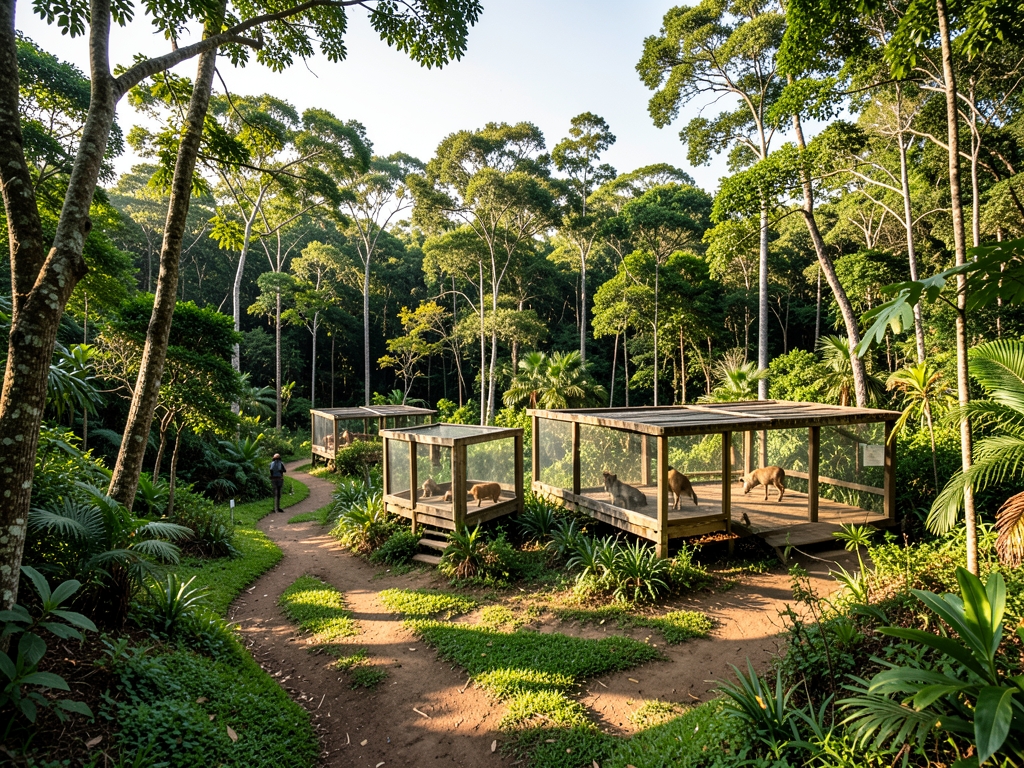
Conservation efforts at major natural reserves require continuous evaluation, strategic oversight, and active collaboration between government bodies, environmental scientists, and local communities. A recent high-level review of conservation initiatives at Indroda Nature Park highlights the ongoing commitment to preserving fragile ecosystems, protecting native flora and fauna, and enhancing public awareness regarding ecological preservation. As environmental pressures mount globally, regional parks and botanical sanctuaries play an increasingly vital role as refuges for vulnerable species and centers for environmental education.
The Strategic Importance of Indroda Nature Park
Indroda Nature Park, widely recognized for its unique geological and biological significance, serves as a crucial habitat for a diverse array of plant and animal species. Spanning expansive tracts of forested land and riverbeds, the park functions as more than just a recreational green space; it operates as a dedicated conservation laboratory and rescue center. Protecting such multifaceted ecosystems requires meticulous planning, stringent habitat management, and regular administrative reviews to ensure that conservation goals align with ecological realities.
During recent administrative evaluations, senior officials including figures such as Modhwadia inspected various ongoing projects within the park premises. These reviews typically focus on habitat restoration, wildlife health monitoring, anti-poaching measures, and the expansion of green cover. By assessing these critical areas firsthand, policymakers and park administrators can identify operational gaps, allocate necessary funding, and implement corrective strategies that benefit both the resident wildlife and visiting researchers.
Core Pillars of Modern Wildlife Conservation
Effective wildlife conservation within enclosed or semi-wild sanctuaries relies on several interconnected disciplines. Understanding these components illuminates why rigorous oversight is indispensable for the long-term viability of modern nature parks.
- Habitat Restoration: Reintroducing native vegetation and removing invasive plant species to restore the natural balance of local ecosystems.
- Wildlife Health Monitoring: Providing specialized veterinary care, nutritional oversight, and safe rehabilitation protocols for rescued or injured animals.
- Anti-Poaching and Security: Deploying modern surveillance tools, physical patrols, and community intelligence networks to prevent illegal wildlife trafficking and trespassing.
- Public Education and Ecotourism: Engaging local communities and international visitors through interpretive centers, guided tours, and interactive environmental programs.
Each of these pillars demands consistent financial backing and administrative dedication. When leaders conduct comprehensive reviews of park operations, they ensure that resources are directed efficiently toward habitat protection rather than administrative overhead.
Balancing Ecological Preservation with Public Access
One of the perennial challenges faced by modern nature parks is finding the delicate balance between protecting sensitive wildlife habitats and welcoming public visitors. Ecotourism and educational outreach are essential for fostering a culture of environmental stewardship among the general public, yet uncontrolled human foot traffic can disrupt natural behaviors, accelerate soil erosion, and introduce pollutants into delicate ecosystems.
To mitigate these risks, contemporary conservation frameworks emphasize zoned management. Core breeding zones and fragile wilderness areas are kept strictly off-limits to the public, remaining reserved exclusively for scientific research and wildlife rehabilitation. Meanwhile, designated buffer zones and interpretive trails accommodate visitors, allowing them to experience the beauty of nature without compromising the safety and peace of the resident fauna. Regular reviews by conservation authorities help adjust these boundaries based on seasonal wildlife migration patterns and ecological carrying capacities.
The Role of Botanical Gardens and Fossil Parks
Beyond its living fauna, Indroda Nature Park is uniquely celebrated for its botanical gardens and extensive fossil displays, earning it a reputation as a comprehensive earth science center. Preserving prehistoric fossils, petrified wood, and rare plant lineages provides scientists with invaluable windows into ancient climatic shifts and evolutionary biology. Conservation work in these domains involves climate-controlled curation of physical artifacts alongside the cultivation of endangered botanical species.
Info! Regular audits of fossil preservation sites ensure that geological specimens are protected from environmental degradation, humidity fluctuations, and accidental damage by visitors.
Integrating paleontology with contemporary zoological conservation creates a powerful educational narrative. Visitors do not merely observe living animals; they witness the deep historical continuum of life on Earth, fostering a profound appreciation for why current biodiversity preservation is so urgently required.
Financial Investment and Policy Frameworks
Sustaining large-scale conservation projects requires robust financial commitments from both public treasuries and private partnerships. Policy gaps, bureaucratic delays, and insufficient funding remain persistent obstacles for environmental agencies worldwide. When government representatives review ongoing conservation works on-site, they are better positioned to advocate for increased budgetary allocations in legislative assemblies.
Furthermore, transparent reporting and accountability mechanisms ensure that every invested currency directly supports habitat enrichment, animal welfare, and infrastructural upgrades. Modern conservation strategies increasingly incorporate digital record-keeping, biometric tracking of wildlife populations, and GIS-based land mapping to optimize resource distribution and measure project success objectively.
Community Engagement and Grassroots Participation
No conservation initiative can succeed in isolation from its surrounding human communities. Local residents, farmers, and indigenous groups often share physical borders with protected wildlife zones. Fostering positive relationships through employment opportunities, compensation schemes for crop damage, and community outreach programs transforms local populations from potential adversaries into passionate guardians of the natural world.
During administrative evaluations, leaders frequently emphasize the importance of grassroots involvement. Workshops that educate local youth on the economic and ecological value of preserving native forests help cultivate the next generation of environmental scientists and conservationists.
Looking Ahead: Future Goals for Indroda Nature Park
As climate change alters weather patterns and intensifies environmental pressures across the globe, regional nature parks must adapt proactively. Future-proofing Indroda Nature Park involves investing in drought-resistant reforestation techniques, upgrading water management systems to support wildlife during dry seasons, and expanding cooperative breeding programs for endangered species.
The recent high-level reviews serve as a testament to the proactive stance required in modern environmental management. By identifying both achievements and areas needing improvement, park authorities can chart a resilient course forward, ensuring that the sanctuary remains a thriving bastion of biodiversity for decades to come.
What is the primary purpose of Indroda Nature Park?
Indroda Nature Park serves as a multi-functional sanctuary dedicated to wildlife conservation, botanical preservation, fossil education, and public environmental awareness.
Why are regular administrative conservation reviews necessary?
Regular reviews allow policymakers and park managers to assess habitat health, evaluate ongoing projects, identify operational bottlenecks, and ensure optimal allocation of resources.
How does the park balance tourism with wildlife protection?
The park utilizes zoned management strategies, keeping core breeding and wilderness areas restricted to researchers while routing public visitors through controlled educational trails and buffer zones.
What role do fossil and botanical collections play in the park?
They provide visitors and scientists with insights into prehistoric life and ancient environmental history, complementing the living zoological exhibits with deep educational context.
Protecting the natural world is an ongoing responsibility that demands vigilance, innovation, and unwavering political and social will. Through continuous assessment and dedicated stewardship, reserves like Indroda Nature Park will continue to inspire and protect our planet's irreplaceable biological heritage.
