

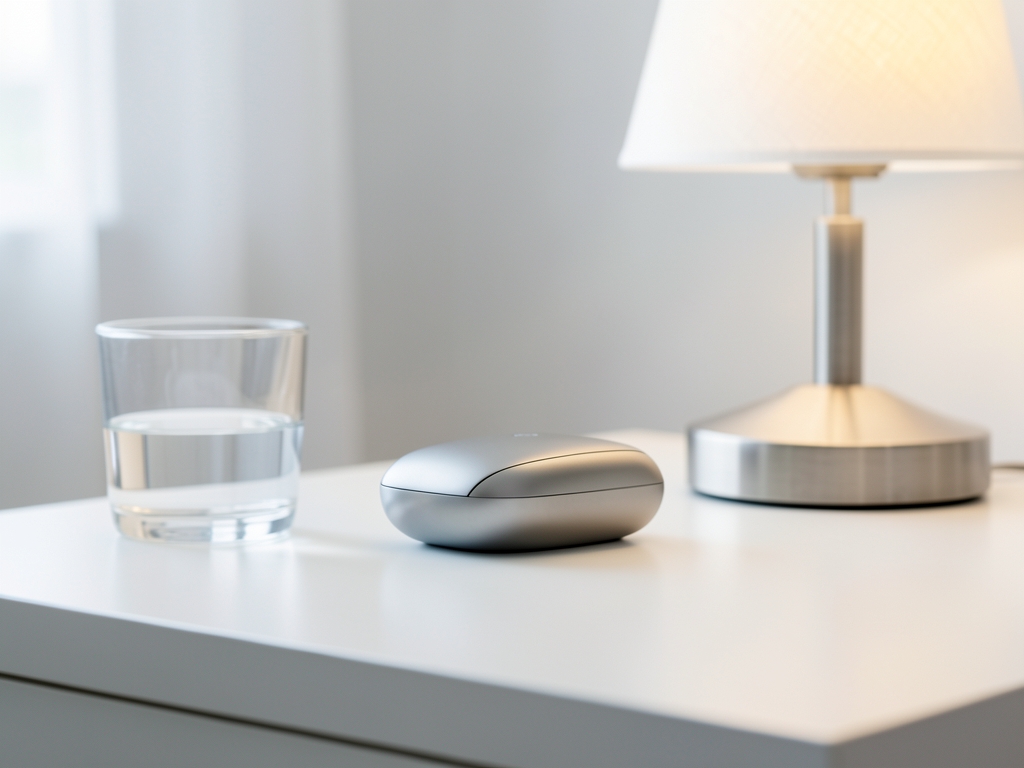
As public interest in restorative sleep and personal physiological optimization continues to surge across the United Kingdom, medical technology companies are introducing novel interventions designed to target the autonomic nervous system. Among the latest developments is the commercial expansion of wearable vagus nerve stimulation technology, headlined by announcements surrounding specialized hardware like the Nurosym device. This growing interest reflects a broader cultural and clinical shift toward non-invasive neuromodulation as individuals seek science-backed alternatives to traditional sleep hygiene measures and pharmacological sleep aids.
Understanding how these technologies interact with human biology requires examining the foundational mechanics of the autonomic nervous system. The vagus nerve serves as the primary highway of the parasympathetic nervous system, often referred to as the rest-and-digest system. When stimulated effectively, it can help downregulate a hyper-reactive sympathetic nervous system—the fight-or-flight mechanism that is frequently overactive in individuals experiencing chronic stress, anxiety, and subsequent sleep disturbances. Modern wearable neuromodulation devices are engineered to deliver precise, low-level electrical impulses to specific branches of the vagus nerve, typically via the outer ear, aiming to restore autonomic balance and support natural physiological wind-down processes before bedtime.
The Growing Focus on Sleep Health Across the UK
Recent public health data and consumer trend analyses indicate that sleep deprivation and poor sleep quality have become significant public health concerns across the United Kingdom. Factors ranging from high-pressure work environments to socioeconomic stressors have driven millions of adults to report chronic difficulties in falling or staying asleep. Traditional approaches have heavily relied on cognitive behavioral therapy for insomnia, lifestyle modifications, and in many cases, over-the-counter or prescription sleep medications that carry risks of dependency or next-day grogginess.
In response to these limitations, consumer demand has pivoted toward targeted, non-pharmacological interventions. Wearable health technology is no longer limited to basic step-counting and heart-rate monitoring; advanced devices now seek to actively influence physiological state rather than merely track it. By introducing targeted neuromodulation into evening routines, users are exploring whether external electrical signals can help signal to the brain that it is safe to transition into deep, restorative sleep stages.
Mechanics of Transcutaneous Vagus Nerve Stimulation
Transcutaneous vagus nerve stimulation (tVNS) represents a significant evolution from older, surgically implanted neuromodulation devices historically used for severe epilepsy or treatment-resistant depression. Non-invasive tVNS targets superficial branches of the vagus nerve, such as the auricular branch located in the tragus and cymba conchae of the outer ear. Specialized electrodes deliver micro-impulses designed to travel along neural pathways directly to the brainstem and higher regulatory centers.
Info! Non-invasive vagus nerve stimulation aims to engage the parasympathetic nervous system without requiring surgical procedures or systemic pharmacological agents.
Clinical investigations into tVNS have increasingly focused on its downstream effects on heart rate variability (HRV), cortisol regulation, and electroencephalogram (EEG) brainwave patterns associated with relaxation and deep sleep. Higher HRV is widely recognized as a marker of cardiovascular resilience and autonomic flexibility, suggesting that regular engagement of the vagus nerve could enhance the body's capacity to recover from daily stressors.
Evaluating Clinical Evidence and Real-World Utility
While consumer enthusiasm for wearable wellness technology is high, medical experts emphasize the importance of distinguishing between early-stage clinical observations and fully established therapeutic indications. Neuromodulation tools undergo rigorous evaluations to ensure patient safety, consistent electrical output, and predictable physiological responses. Users considering these devices are advised to look for CE marks, regulatory clearances, and peer-reviewed studies supporting specific manufacturer claims.
Furthermore, wearable health interventions are most effective when integrated into a comprehensive wellness strategy. No single device can completely override the physiological impacts of poor nutrition, lack of physical activity, or irregular sleep schedules. Instead, tools like wearable VNS systems function best as adjuncts that complement foundational sleep hygiene practices—such as maintaining consistent sleep-wake times, minimizing blue light exposure late in the evening, and optimizing bedroom environmental conditions.
Practical Considerations for Consumers
For individuals in the United Kingdom and international markets exploring wearable neuromodulation, navigating the burgeoning market requires careful consideration of several practical factors:
| Feature | Consideration | Clinical Relevance |
|---|---|---|
| Application Method | External auricular clip or electrode placement | Ensures precise targeting of the vagus nerve branch |
| Session Duration | Typically 30 to 60 minutes daily | Aligns with clinical protocol recommendations |
| Portability | Compact, battery-powered handheld or wearable unit | Allows integration into daily home relaxation routines |
| Regulatory Status | Compliance with regional medical device standards | Guarantees manufacturing safety and electrical quality |
Incorporating a new device into an evening routine should be approached methodically. Users often begin with short sessions while resting or reading, gradually assessing how their body responds over a period of weeks. Monitoring personal metrics, such as subjective sleep quality scores or morning resting heart rate, can provide helpful feedback on whether the intervention delivers tangible benefits.
How does wearable vagus nerve stimulation work for sleep?
Wearable vagus nerve stimulation delivers mild, targeted electrical impulses to surface branches of the vagus nerve in the ear. This process stimulates the parasympathetic nervous system, helping to reduce stress responses and promote the physiological calm necessary for restorative sleep.
Are non-invasive VNS devices safe for everyday use?
Non-invasive VNS devices that comply with medical regulations are generally considered safe for home use when operated according to manufacturer instructions. However, individuals with implanted electronic medical devices or specific neurological conditions should consult a healthcare professional before use.
Can wearable wellness tech replace traditional sleep medication?
Wearable wellness tools are designed to support autonomic balance and relaxation, not to serve as direct pharmaceutical replacements for diagnosed sleep disorders. Patients should always consult their physician before altering or discontinuing prescribed medical treatments.
What should UK consumers look for when purchasing a health wearable?
Consumers should verify that the device holds appropriate regulatory clearances, review supporting clinical or laboratory data provided by the manufacturer, and ensure the hardware offers adjustable intensity levels for safe, personalized comfort.
Conclusion
The expanding interest in sleep health across the UK has paved the way for advanced technological solutions that bridge the gap between clinical neuromodulation and everyday wellness. Devices such as the Nurosym wearable VNS system highlight a growing desire for non-invasive, evidence-based approaches to autonomic regulation and stress management. As research continues to clarify the precise mechanisms linking vagal activation to improved sleep architectures, these tools offer promising new avenues for individuals seeking to enhance their nightly rest and overall physiological well-being.
