

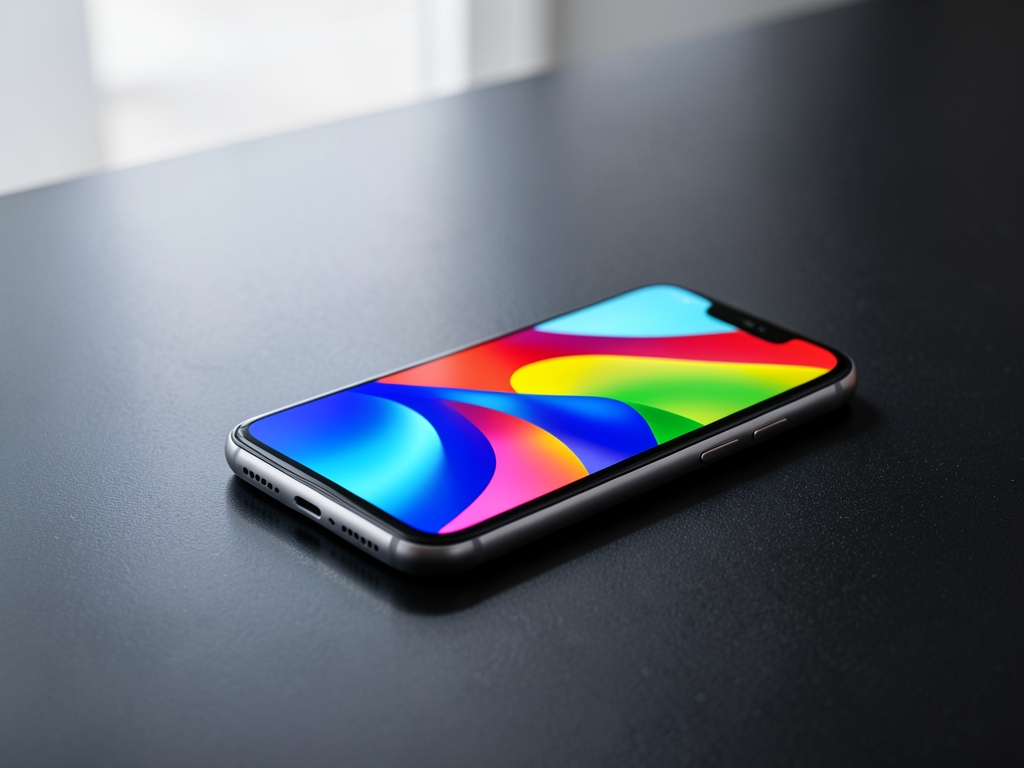
The smartphone industry continues to push the boundaries of hardware design, energy density, and visual performance. Recent supply chain leaks and technical reports regarding upcoming releases have brought substantial attention to the middle and upper-tier mobile segments. Among these, emerging leaks surrounding upcoming devices indicate a massive shift in what consumers can expect from daily-driver hardware, particularly in battery longevity and screen fidelity. As mobile software demands more processing power and graphical overhead, manufacturers are under intense pressure to deliver hardware that can sustain intensive workloads without compromising ergonomic comfort or everyday usability.
Technical specifications and hardware configurations dictate the long-term value of any mobile device. When rumors surface about unprecedented battery capacities paired with high-refresh-rate panels, industry analysts and tech enthusiasts closely examine how these components interact. This comprehensive breakdown explores the leaked hardware parameters, performance implications, display engineering, and broader market context surrounding upcoming releases in the mobile sector.
Understanding the Leaked Specifications of Upcoming Pro Models
Recent disclosures from industry insiders have highlighted a trend toward extreme battery capacity paired with high-efficiency chipsets. The leaked specifications point toward a massive 10,000 mAh power cell housed within a modern chassis, a figure that far exceeds standard smartphone capacities seen over the past decade. Traditionally, standard flagships and mid-range devices hover between 4,000 mAh and 5,000 mAh, balancing weight and thickness against daily endurance. Doubling this capacity without creating an unwieldy brick requires advanced silicon-carbon battery chemistry and sophisticated internal component stacking.
Alongside the massive energy storage, the reported configuration includes a 1.5K resolution AMOLED display running at a smooth 120Hz refresh rate. High-refresh-rate panels have become an industry standard, ensuring fluid scrolling, responsive touch input, and immersive gaming animations. However, driving a high-resolution 1.5K panel at 120Hz traditionally incurs a heavy energy penalty. By pairing this power-hungry display architecture with an ultra-high-capacity battery and a power-efficient processor like the MediaTek Dimensity 7300, manufacturers aim to deliver multi-day battery life even under heavy daily utilization.
Evaluating Processor Efficiency and Daily Performance
Processor selection remains the cornerstone of modern mobile performance. The MediaTek Dimensity series has established a reputation for balancing robust multi-core processing power with exceptional thermal efficiency. Built on advanced manufacturing nodes, these chipsets manage background tasks, machine learning workloads, and high-frame-rate rendering while minimizing thermal throttling.
When a mid-range or upper-mid-range processor drives a device equipped with a 1.5K 120Hz display, the system architecture must efficiently allocate resources between the display controller, the graphics processing unit (GPU), and the central processing unit (CPU). Modern chipsets achieve this through dynamic refresh rate switching, dropping down to lower Hertz values during static tasks like reading text or viewing images, and scaling up to 120Hz during active scrolling or gaming.
- Dynamic Refresh Rates: Optimizes power consumption by scaling between 1Hz and 120Hz based on content type.
- Thermal Management: Advanced vapor chamber cooling systems prevent performance degradation during extended gaming sessions.
- Neural Processing Units: Dedicated hardware accelerators handle on-device AI tasks, photography processing, and voice recognition efficiently.
The combination of an efficient processor architecture and a massive battery changes the user equation entirely. Users who previously carried power banks or charged their devices twice a day may find themselves able to push through forty-eight hours of mixed usage without reaching for a charging cable.
Display Engineering: Balancing Resolution, Brightness, and Battery Life
The visual centerpiece of modern mobile devices is the display panel. The reported inclusion of a 1.5K AMOLED screen bridges the gap between traditional Full HD+ panels and ultra-sharp QHD+ screens. While QHD+ offers microscopic pixel density, it places an unnecessary tax on the GPU and drains battery life rapidly. A 1.5K resolution provides crisp text rendering, sharp media playback, and high visual fidelity while preserving precious graphical resources.
AMOLED technology continues to dominate due to its ability to turn off individual pixels when displaying true black, resulting in infinite contrast ratios. Furthermore, modern AMOLED panels achieve staggering peak brightness levels, ensuring readability under direct sunlight outdoors. Manufacturers also integrate high-frequency Pulse-Width Modulation (PWM) dimming to reduce eye strain during low-light usage, catering to health-conscious consumers who spend hours staring at their screens daily.
Internal Architecture and Thermal Constraints
Integrating a 10,000 mAh battery into a sleek smartphone chassis is an extraordinary engineering challenge. Standard lithium-ion batteries require substantial physical volume. To overcome this limitation, manufacturers utilize advanced silicon-carbon anode technology, which stores significantly more energy per unit of volume than traditional graphite anodes.
Info! Silicon-carbon battery technology allows manufacturers to increase energy density by up to twenty percent without enlarging the physical footprint of the battery cell.
Despite these chemical advancements, managing heat dissipation within a densely packed device is critical. High-speed charging technologies, which are necessary to replenish a 10,000 mAh cell in a reasonable timeframe, generate substantial thermal energy. Internal graphite sheets, copper foils, and vapor chambers are deployed strategically to pull heat away from the charging circuits and the main processor, ensuring structural integrity and user safety.
Comparative Market Analysis: Shifting Industry Standards
The mobile market is witnessing a divergence in hardware philosophies. While some premium flagship brands focus strictly on ultra-slim profiles and lightweight designs—often sacrificing battery longevity in the process—other manufacturers are catering to power users who prioritize multi-day endurance, ruggedness, and uninterrupted productivity.
| Feature Category | Traditional Flagship Standard | High-Endurance Leaked Specification |
|---|---|---|
| Battery Capacity | 4,500 mAh - 5,000 mAh | 10,000 mAh Silicon-Carbon |
| Display Resolution | FHD+ to QHD+ | 1.5K AMOLED with 120Hz Refresh |
| Processor Class | Flagship 3nm / 4nm Silicon | Optimized High-Performance Mid-Range Chipset |
| Target User | Aesthetic and Camera-Focused | Power Users, Travelers, Gamers |
This shift highlights a growing consumer demand for practical utility over cosmetic thinness. Devices that can withstand heavy navigation, streaming, and gaming without requiring constant recharges hold strong appeal in international markets across Europe and the United States, where users rely heavily on mobile devices for daily commuting, remote work, and digital payments.
Practical Maintenance Strategies for High-Capacity Mobile Devices
Owning a smartphone with advanced hardware requires mindful maintenance to preserve battery health and system responsiveness over years of use. While massive batteries reduce daily charging frequency, proper charging habits remain essential for long-term cell longevity.
- Avoid exposing the device to extreme ambient temperatures, particularly during high-wattage fast charging.
- Enable optimized charging features in the operating system to limit time spent at 100% capacity overnight.
- Keep system software and security patches up to date to ensure background power management algorithms function efficiently.
- Periodically clean background cache data and restrict unnecessary app autostart permissions to prevent idle drain.
Implementing these simple steps ensures that high-capacity hardware maintains its peak performance profile throughout its lifecycle, reducing electronic waste and saving money on premature upgrades.
What are the key specifications leaked for the upcoming device?
Recent leaks indicate the device features a massive 10,000 mAh battery, a 1.5K resolution AMOLED display with a 120Hz refresh rate, and an efficient MediaTek Dimensity 7300 processor.
How is it possible to fit a 10,000 mAh battery into a smartphone?
Manufacturers achieve this by utilizing advanced silicon-carbon anode battery chemistry, which provides significantly higher energy density compared to traditional lithium-ion cells without increasing the physical thickness excessively.
What are the benefits of a 1.5K 120Hz AMOLED display?
A 1.5K 120Hz AMOLED display offers a perfect balance between ultra-sharp visual clarity, fluid scrolling animations, deep contrast ratios, and lower energy consumption compared to higher-resolution QHD+ panels.
Will a massive battery take too long to charge?
Modern high-capacity devices typically pair with advanced fast-charging protocols and thermal management systems, allowing high-wattage chargers to replenish large cells safely within reasonable timeframes.
The ongoing evolution of mobile hardware demonstrates that manufacturers are actively listening to consumer demands for better battery life and dependable performance. As official announcements approach, these leaked specifications suggest a promising future for mobile technology enthusiasts worldwide.
