

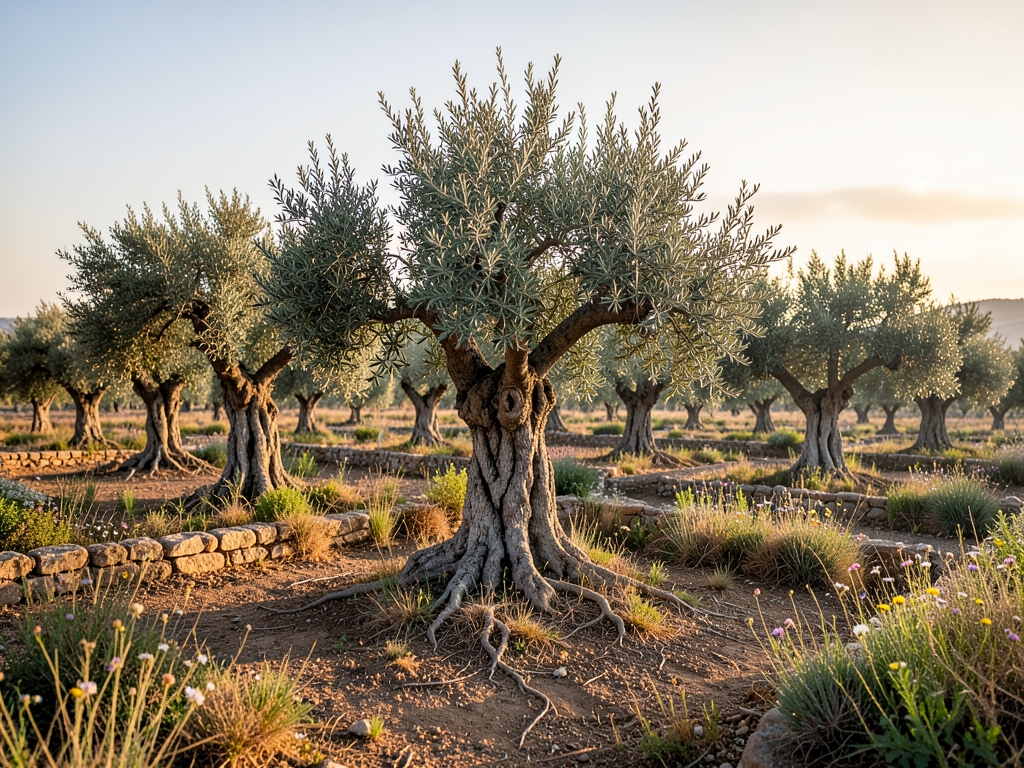
As shifting weather patterns continue to challenge ecosystems worldwide, researchers and agronomists are turning their attention to unexpected sanctuaries for wildlife and ecological resilience. Among these, semi-arid olive groves are emerging as vital refuges for biodiversity in regions facing rising temperatures and prolonged dry spells. Traditionally cultivated for centuries across Mediterranean and subtropical zones, these resilient agricultural landscapes demonstrate that human-managed land can support a diverse array of flora and fauna even as surrounding natural habitats face severe environmental pressures.
Recent agricultural and ecological studies highlight how traditional and modern semi-arid olive farming practices create complex microhabitats. Unlike intensive monocultures that rely heavily on chemical inputs and frequent soil disruption, low-intensity or organic olive groves often maintain permanent ground cover, native hedgerows, and uncultivated patches of rocky terrain. These features provide essential shelter, nesting sites, and foraging corridors for numerous species, ranging from ground-nesting birds and small mammals to vital pollinators and beneficial insects.
The Ecological Role of Semi-Arid Agricultural Landscapes
Semi-arid environments are characterized by scarce water availability, high evaporation rates, and intense solar radiation. Species inhabiting these zones must possess specialized adaptations to survive. Olive trees (Olea europaea) are uniquely suited to these harsh conditions due to their deep root systems, small waxy leaves, and ability to enter dormancy during extreme droughts. Because the trees themselves can endure severe water stress, they form a permanent canopy that buffers the harsh microclimate underneath.
This canopy shade and the presence of organic leaf litter create cooler, more humid microhabitats at the soil level compared to adjacent barren lands. Consequently, soil microorganisms, fungi, and invertebrates thrive in these protected zones. These subterranean communities play a fundamental role in nutrient cycling, soil structure maintenance, and moisture retention, creating a localized oasis effect that ripples upward through the entire local food web.
Supporting Avifauna and Migratory Species
One of the most significant ecological contributions of semi-arid olive groves is their ability to sustain diverse bird populations. Many migratory bird species traveling between Europe and Africa rely on agricultural mosaics as stopover sites for rest and refueling. Traditional olive groves, with their varied tree ages, hollow trunks, and surrounding stone walls, offer abundant nesting and feeding opportunities.
- Insectivorous Birds: Species such as warblers, shrikes, and bee-eaters find plentiful insect prey among the olive foliage and flowering ground cover.
- Raptors: Kestrels, owls, and small hawks frequently hunt rodents and reptiles within the open rows of the groves.
- Granivorous Species: Finches and sparrows feed on the seeds of native grasses and herbaceous plants that grow between the trees.
By maintaining diverse vegetation structures rather than clearing undergrowth, farmers can significantly enhance avian species richness. Studies conducted across Mediterranean agricultural zones show that groves with integrated hedgerows support up to twice as many bird species as uniformly managed, herbicide-treated orchards.
Flora and Pollinator Communities in Dryland Orchards
Beyond birds, semi-arid olive groves serve as unexpected strongholds for wild plant diversity and pollinator networks. While olive trees are primarily wind-pollinated, the understory of a well-managed grove often bursts into seasonal color with drought-adapted wildflowers, legumes, and bulbous plants.
Info! Maintaining diverse native understory plants in dryland orchards not only supports pollinators but also naturally improves soil fertility through nitrogen fixation.
These flowering plants attract a wide range of wild bees, butterflies, hoverflies, and beetles. In landscapes where intensive farming and urbanization have fragmented natural wilderness, olive groves act as stepping stones, allowing pollinators to move safely across otherwise hostile terrain. Preserving these interconnected corridors is crucial for maintaining genetic diversity among wild plant populations facing rapid climate shifts.
Climate Change Adaptation and Soil Conservation
Climate projections for semi-arid regions indicate an increase in the frequency and severity of droughts, heatwaves, and erratic rainfall events. In this context, the management practices associated with resilient olive groves offer valuable lessons for climate adaptation in agriculture.
Practices such as minimal tillage, cover cropping, and the retention of pruning residues help protect vulnerable topsoils from wind and water erosion during torrential downpours. When sudden storms cause flash flooding in dry regions, vegetated soil in sustainable groves absorbs significantly more water than bare earth, mitigating runoff and recharging underground aquifers.
Challenges and Sustainable Management Practices
Despite their ecological potential, not all olive groves are beneficial for biodiversity. Intensification, overgrazing, excessive pesticide use, and the removal of all ground vegetation can turn groves into ecological deserts. To maximize their conservation value, farmers and landowners must adopt specific management strategies:
- Minimize synthetic chemical applications to protect non-target insects, soil microbes, and foraging birds.
- Retain natural stone walls, rocky outcrops, and uncultivated patches to provide permanent micro-habitats for reptiles and small mammals.
- Incorporate native hedgerows and flowering cover crops to support year-round pollinator activity and natural pest control.
- Adopt efficient irrigation practices where water is available, or rely on traditional dry-farming methods that encourage deep root resilience.
Balancing Agricultural Production with Conservation Goals
The growing recognition of semi-arid olive groves as biodiversity hotspots underscores a broader paradigm shift in conservation science. Historically, conservation efforts focused almost exclusively on pristine, untouched wilderness areas. However, as human activities shape nearly every corner of the planet, scientists increasingly emphasize the importance of matrix habitats—modified landscapes that bridge the gap between protected reserves.
Olive groves demonstrate that food production and wildlife conservation do not have to be mutually exclusive. By valuing these landscapes not merely as economic assets but as living ecosystems, rural communities can foster environmental stewardship that withstands future climatic uncertainties.
How do semi-arid olive groves help support local wildlife?
Semi-arid olive groves provide permanent tree canopies, shaded microclimates, and diverse understory vegetation that offer shelter, nesting sites, and foraging corridors for birds, pollinators, and beneficial soil organisms.
Why are traditional management practices important for biodiversity in these orchards?
Traditional practices such as minimal tillage, retaining native ground cover, and avoiding harsh synthetic chemicals preserve soil health and create habitats for insects and small mammals that would otherwise perish in intensified farming systems.
Can all olive groves act as effective conservation areas?
Not necessarily. Highly intensified monoculture groves that use heavy chemical treatments and remove all understory vegetation support very little wildlife compared to low-intensity, structurally diverse orchards.
What role do these groves play during extreme weather events?
The permanent root systems and vegetative cover help anchor topsoil, absorb excess rainfall during sudden storms, and reduce soil erosion while recharging groundwater reserves in dry regions.
Ultimately, safeguarding the ecological integrity of dryland agricultural systems requires collaboration between ecologists, policymakers, and farmers. As climate pressures mount across the Mediterranean and similar arid zones, supporting sustainable olive cultivation offers a practical and hopeful pathway toward preserving regional biodiversity for future generations.
