

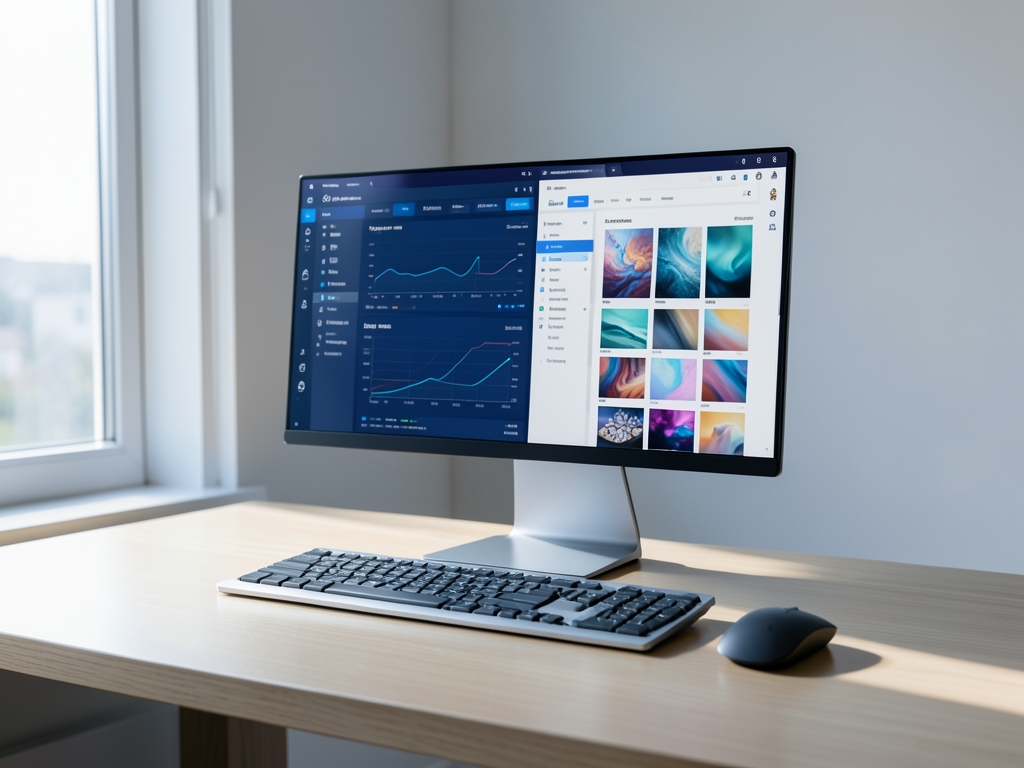
Microsoft continues to refine its flagship operating system ecosystem, balancing long-term architectural overhauls with immediate performance optimizations for millions of users worldwide. Recent industry reports and insider tracking indicate that the software giant is actively planning a substantial operating system overhaul under the working identifier Windows 11 27H2. This upcoming development cycle aims to address deep-seated architectural bottlenecks, enhance overall system responsiveness, and introduce modern aesthetic refinements that go beyond routine cumulative updates. At the same time, users are already experiencing tangible benefits from the intermediate 26H2 update cycle, which has begun rolling out preliminary performance gains and resource management adjustments across diverse hardware configurations.
Understanding how these iterative updates affect everyday computing requires a closer look at Microsoft's current development strategy. Rather than forcing disruptive platform shifts, the engineering teams in Redmond are focusing on granular efficiency improvements, memory management enhancements, and streamlined background processes. For international users across Europe and the United States, these changes translate into faster application launch times, improved battery efficiency on mobile workstations, and a more stable environment for both enterprise workloads and high-performance gaming.
The Strategic Roadmap Behind Windows 11 27H2
The roadmap leading toward the anticipated 27H2 release represents a concerted effort by Microsoft to modernize core components of the Windows kernel and user interface shell. While earlier feature updates occasionally drew criticism for introducing cosmetic changes without addressing underlying performance friction, the 27H2 project reportedly prioritizes deep system re-architecture. Industry analysts tracking Windows development branches note that engineers are re-evaluating how system services communicate, how legacy components are encapsulated, and how modern hardware accelerators—such as dedicated neural processing units and advanced graphics pipelines—interact with the native OS layer.
This holistic approach is designed to future-proof the operating system against emerging computing demands, particularly as artificial intelligence integration and local machine learning tasks become standard expectations for consumer and enterprise PCs. By optimizing how background processes consume CPU cycles and RAM, Microsoft aims to deliver a noticeably smoother desktop experience even on older or mid-range hardware configurations that meet the baseline Windows 11 system requirements.
Early Performance Gains in Version 26H2
Before the major architectural changes of 27H2 materialize, the intermediate 26H2 phase is serving as a crucial proving ground for several performance enhancements. Users installing the latest preview builds and targeted updates have reported measurable improvements in system responsiveness during multi-tasking scenarios. Key areas receiving optimization include:
- Memory Footprint Reduction: Streamlining system services to free up active RAM for foreground applications and games.
- I/O Scheduling Tweaks: Improving file transfer speeds and reducing latency when accessing high-speed NVMe storage drives.
- Visual Rendering Efficiency: Optimizing window animations and desktop compositor workflows to reduce GPU overhead on integrated graphics solutions.
Info! These incremental performance gains in 26H2 are designed to deploy seamlessly through standard Windows Update channels without requiring manual user intervention or clean operating system installations.
For enterprise administrators and IT professionals managing large fleets of workstations, these stability and speed improvements reduce troubleshooting overhead and ensure consistent user productivity. Furthermore, early telemetry data suggests that system crashes and application hang rates have decreased following the integration of these refined scheduling algorithms.
Aesthetic Refinements and User Interface Evolution
In addition to under-the-hood performance tuning, upcoming Windows 11 iterations are expected to introduce subtle yet meaningful interface refinements. Reports from reliable OS watchers indicate that Microsoft is preparing a fresh collection of default wallpapers, updated iconography for native system tools, and improved consistency across dark and light display modes. While visual updates are often secondary to performance enhancements for power users, a cohesive desktop environment remains vital for reducing visual fatigue during long working hours.
The taskplate, system tray, and settings application continue to undergo iterative redesigns based on direct user feedback gathered through the Windows Insider program. These adjustments focus on reducing click-depth for common administrative tasks, making network management more intuitive, and providing clearer insights into system resource consumption.
Preparing Your PC for Future Windows Updates
As Microsoft advances its development schedule, ensuring your computer is prepared for upcoming operating system changes is essential for maintaining optimal security and performance. Users can take several proactive steps to safeguard their systems:
- Verify that your PC's hardware meets or exceeds all official Windows 11 system specifications, including TPM 2.0 and secure boot requirements.
- Maintain regular data backups using reliable cloud storage or external drives to protect personal files prior to installing major feature updates.
- Keep device drivers—particularly graphics card, chipset, and network interface drivers—updated directly from manufacturer support portals.
- Monitor your available storage space, ensuring that the primary system drive retains adequate free capacity to accommodate temporary installation files.
Operating system evolution requires a delicate balance between aggressive modernization and unwavering backward compatibility. Microsoft's dual-track approach with 26H2 optimizations and 27H2 overhaul plans demonstrates a mature strategy tailored to a vast, heterogeneous global PC market.
Enterprise Impact and Security Integration
Beyond consumer convenience, the structural updates planned for Windows 11 carry significant implications for corporate IT infrastructure. Enterprise environments demand stringent security protocols, predictable patch management, and robust virtualization safeguards. The performance tuning embedded in recent and upcoming updates directly benefits virtualization layers, containerized applications, and hardware-based security features like Virtualization-Based Security (VBS) and hypervisor-protected code integrity.
By minimizing the performance overhead traditionally associated with comprehensive security enforcement, Microsoft enables organizations to maintain strict compliance without sacrificing employee productivity. Additionally, enhanced endpoint telemetry helps security software providers detect and mitigate potential zero-day threats with greater precision.
When is Windows 11 27H2 expected to be released?
Industry reports and preview channel tracking indicate that Windows 11 27H2 is slated for release in 2027, serving as a major milestone following intermediate updates like 26H2.
Do the 26H2 performance gains require new hardware?
No, the performance improvements delivered in version 26H2 apply to existing hardware configurations that already support Windows 11, focusing on software efficiency and scheduling optimizations.
Will my current applications remain compatible with future updates?
Microsoft maintains rigorous backward compatibility standards for Windows 11, ensuring that standard Win32 applications, universal Windows apps, and games continue to function smoothly across update cycles.
How can I test these upcoming features early?
Users interested in previewing upcoming system enhancements can join the official Windows Insider Program and select the appropriate development channel through their PC settings.
In conclusion, Microsoft's evolving development strategy for Windows 11 highlights a concerted commitment to refining both the functional core and the user-facing elements of the platform. By delivering immediate efficiency gains through updates like 26H2 while laying the groundwork for a comprehensive architectural overhaul in 27H2, the company is addressing long-standing user feedback regarding speed, stability, and resource management. As these updates roll out across international markets, users can anticipate a more responsive, secure, and visually polished computing experience that maximizes the potential of modern hardware.
Sources and Further Reading
- Windows 11 27H2 Reportedly Plans an OS Overhaul, but 26H2 Already Delivers Some Performance Gains - XenoSpectrum — XenoSpectrum (published 2026-11-08 06:22)
- Windows 11 27H2 may be the biggest upgrade since 2024: Microsoft will bring performance improvements and new wallpapers. - expreview.com — expreview.com (published 2026-11-07 03:57)
- Windows 11 27H2 Reportedly Coming in 2027 With Major Performance Overhaul and New Wallpaper - BigGo Finance — BigGo Finance (published 2026-11-06 19:18)
