

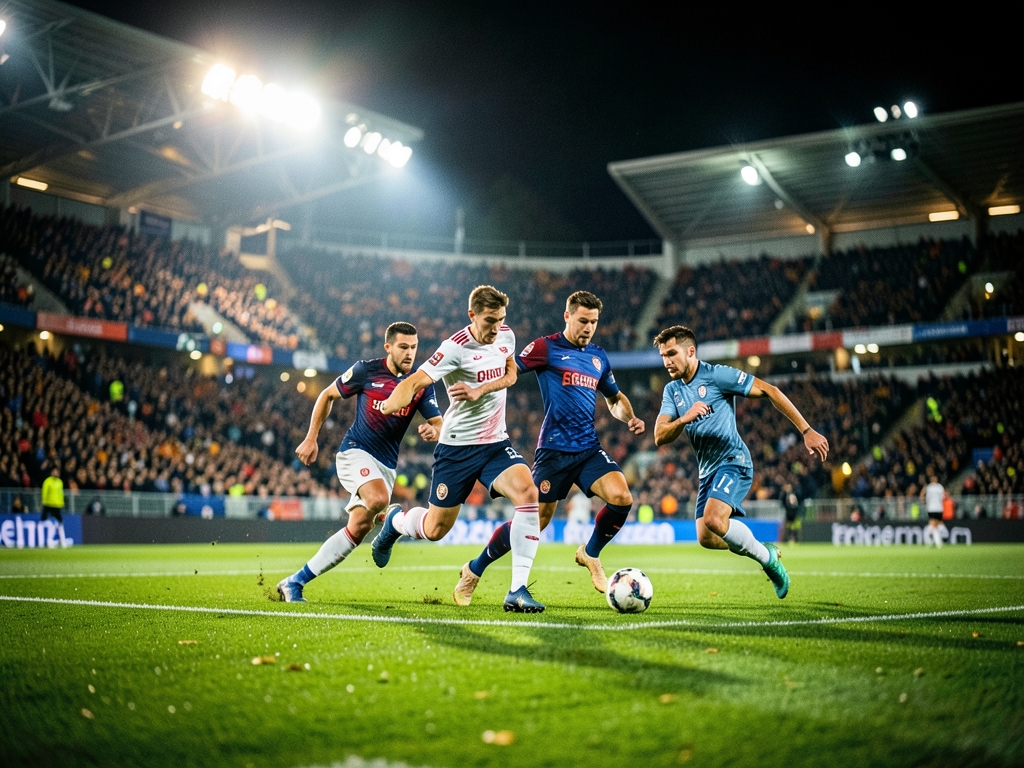
The 2026/27 UEFA Europa League season has officially entered its demanding league phase, delivering high-stakes European fixtures, tactical battles, and unpredictable results across the continent. With the overhauled league table format now firmly established as the standard for European club competitions, every single fixture carries immense weight. Clubs from across Europe are battling not just for three points on any given matchday, but for vital goal difference advantages that could determine automatic qualification to the Round of 16 or force a perilous detour through the knockout round play-offs.
As the tournament progresses through its early and mid-phase rounds, understanding the structure, the fixture list, and the evolving standings is essential for fans tracking their favorite clubs. This comprehensive overview examines how the league phase operates, highlights key matches, and provides practical insights for following every goal and result in real time.
Understanding the 2026 27 Europa League League Phase Format
The traditional group stage format, which featured groups of four teams playing home-and-away round-robin fixtures, was replaced to increase competitive drama and eliminate dead rubbers late in the autumn schedule. In the current single-league table format, all participating clubs compete within one expansive league standings table.
Each team is drawn to face eight different opponents during the league phase, playing four matches at home and four away. This innovation ensures that supporters witness a wider variety of cross-border matchups earlier in the tournament. The tournament mechanics and qualification thresholds are structured as follows:
- Top 8 Finish: Teams finishing the league phase in positions 1 through 8 automatically qualify directly for the Round of 16, bypassing the mid-winter knockout round play-offs.
- Positions 9 to 24: Clubs finishing in these places advance to the knockout round play-offs, competing in a two-legged tie to secure the remaining eight spots in the Round of 16.
- Elimination: Teams finishing from position 25 downwards are eliminated entirely from European competition for the remainder of the season, with no fallback spots available in secondary tournaments.
This unforgiving structure means that defensive lapses in October can haunt a club in January, while a late surge of victories can catapult a mid-table side into the coveted top eight.
Analyzing Key Fixtures and Early Results
The fixture calendar for the 2026/27 campaign brings together historic European heavyweights and ambitious domestic challengers. Early matchdays have already produced stunning upsets, tactical masterclasses, and remarkable goalscoring performances. Clubs navigating simultaneous domestic league obligations, domestic cup fixtures, and European travel are discovering that squad depth is the single most important factor for success.
Info! UEFA matchdays are scheduled dynamically across traditional Thursday evening slots, with specific weeks utilizing exclusive standalone nights to maximize global broadcast exposure.
Coaches face intense pressure to rotate squads without compromising team cohesion. A slip-up against a lower-seeded opponent away from home can severely damage a club's aspirations of finishing in the automatic qualification spots. Conversely, securing maximum points on the road against formidable opposition establishes a psychological advantage that resonates throughout the domestic league campaign as well.
Tactical Trends in Modern European Football
The tactical landscape of the 2026/27 Europa League reflects the broader evolution of elite club coaching. Modern managers increasingly rely on fluid positional structures, hybrid defensive formations, and high-intensity counter-pressing systems. Several tactical themes have emerged strongly during the opening fixtures of the league phase:
- Inverted Full-Backs: Teams frequently transition full-backs into central midfield areas during the build-up phase to dominate central possession and neutralize opponent block defenses.
- Dynamic Press Resistance: Goalkeepers and central defenders are required to display elite passing ranges, baiting opponent pressing traps before launching rapid vertical attacks.
- Set-Piece Specialization: With defensive organization reaching unprecedented levels of sophistication, specialized set-piece coaches are dictating matches, converting marginal territorial dominance into decisive goals.
Analyzing these tactical shifts helps fans appreciate why certain underdog sides are successfully neutralizing wealthier opponents through disciplined low blocks and lightning-fast transitions.
How to Follow Every Fixture Live
For supporters looking to keep track of every goal, tactical substitution, and post-match reaction, official broadcasting and digital platforms offer comprehensive coverage. Official tournament portals provide live minute-by-minute text commentary, verified starting lineups, tactical heatmaps, and immediate post-match statistics.
When planning to watch matches, fans should always verify local broadcast rights, official streaming applications, and kick-off times relative to their specific time zone. Regional sports networks and authorized digital streaming services hold exclusive rights depending on the country of residence.
| Competition Stage | Match Format | Qualification Outcome |
|---|---|---|
| League Phase (Matches 1-8) | Single League Table | Top 8 advance to Round of 16 |
| Knockout Round Play-offs | Two-Legged Ties (Home & Away) | Winners complete Round of 16 lineup |
| Round of 16 to Final | Knockout Stages | Progress to quarter-finals, semi-finals, and final |
Navigating the Official Schedule and Results
Keeping up with an eight-match league phase requires organization. Because teams play different opponents rather than a uniform double round-robin schedule, comparing points totals directly across teams requires careful attention to goal difference and strength of schedule. Official UEFA tracking tools allow users to simulate remaining matches, calculating how various outcomes will impact the live league standings table on any given matchday.
The beauty of the single-league phase lies in its mathematical tension. Every goal scored in the 90th minute alters the live table, shifting qualification spots by the second.
Supporters are encouraged to consult official tournament schedules published directly by governing bodies to verify confirmed kick-off times, stadium venues, and referee assignments before traveling to away fixtures or tuning into live broadcasts.
How many matches does each team play in the 2026/27 Europa League league phase?
Each participating club plays eight matches against eight different opponents during the league phase, split evenly between four home fixtures and four away fixtures.
What happens to teams that finish between 9th and 24th in the league standings?
Teams finishing from 9th to 24th place qualify for the knockout round play-offs, where they compete in a two-legged home-and-away tie for a chance to enter the Round of 16.
Are there any teams that drop down from the Champions League into the Europa League?
Under the current tournament regulations, teams eliminated from the early rounds of the UEFA Champions League no longer transfer over to the Europa League league phase.
Where can fans find official live scores and verified match results?
Fans can track real-time scores, official team lineups, and post-match analysis directly on UEFA's official tournament website and through authorized regional broadcast partners.
The 2026/27 UEFA Europa League league phase continues to deliver compelling drama as clubs chase European glory. By staying informed on fixtures, standings, and tactical developments, supporters can fully experience the intensity of continental football.
