

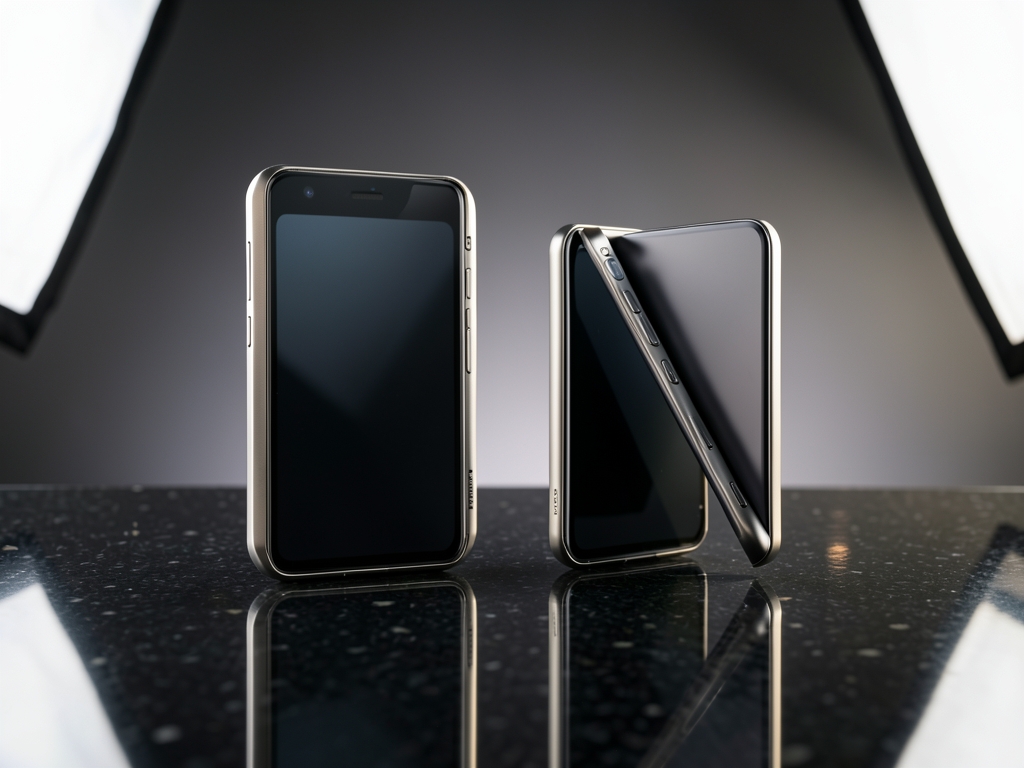
The smartphone industry has reached a fascinating turning point where foldable devices are no longer experimental novelties reserved for early adopters. Instead, they have matured into mainstream flagships that command serious attention from power users, enterprise professionals, and mobile enthusiasts alike. Two major contenders now dominate high-end conversations across the United States and Europe: Apple’s newly discussed iPhone Duo line and Samsung’s refined Galaxy Z Fold 8. Evaluating how these two heavyweights stack up against each other requires examining everything from physical dimensions and hinge engineering to multitasking software ecosystems, display quality, and daily usability.
Choosing a premium foldable device involves compromises regarding weight, pocketability, battery endurance, and software optimization. While traditional slab phones continue to dominate mass market sales, foldables represent the bleeding edge of mobile hardware. This detailed comparative analysis explores the core differences between Apple’s entry into the dual-screen and foldable category and Samsung’s eighth-generation foldable flagship, providing actionable insights for anyone trying to decide which ecosystem best fits their daily workflow.
Hardware Engineering and Physical Design Philosophies
Physical construction is often the primary battleground for foldable devices. Samsung has spent nearly a decade iterating on its horizontal book-style folding form factor. With the Galaxy Z Fold 8, the company has refined its hinge mechanism to reduce crease visibility, improve structural rigidity, and achieve a slimmer profile when closed. The device feels balanced in the hand, though its tall, narrow cover screen remains a distinct characteristic that influences how users type and interact with single-handed applications.
Apple’s approach with the iPhone Duo series introduces a different mechanical philosophy. Reports surrounding screen real estate ranging from 5.4 inches on outer dimensions up to 7.6 inches in expansive tablet modes emphasize Apple's focus on seamless dual-display continuity and refined ergonomics. Apple engineering traditionally prioritizes premium tactile feedback, robust water and dust resistance ratings, and custom-milled aerospace-grade aluminum or titanium alloys. Where Samsung leans into iterative refinement based on years of consumer feedback, Apple enters the foldable arena with meticulously calculated form factors designed to solve the bulk and durability anxieties that have historically deterred mainstream buyers.
| Feature | Apple iPhone Duo | Samsung Galaxy Z Fold 8 |
|---|---|---|
| Primary Inner Display | Up to 7.6 inches (Flexible OLED) | 7.6-inch Dynamic AMOLED 2X |
| Cover Screen Size | Starts around 5.4 inches | Narrow taller cover display |
| Build Materials | Titanium / Aerospace Aluminum | Armor Aluminum frame, Gorilla Glass Victus |
| Ecosystem Integration | iOS 27 and Apple Continuity | One UI and Android Multitasking |
| Primary Target Market | Global Premium Flagship Users | Power Users and Android Enthusiasts |
Display Technology, Refresh Rates, and Visual Quality
Both devices boast state-of-the-art display panels that deliver exceptional peak brightness, deep contrast ratios, and vibrant color accuracy. Samsung equips the Galaxy Z Fold 8 with an advanced Dynamic AMOLED panel supporting adaptive refresh rates up to 120Hz. This ensures buttery-smooth scrolling, responsive stylus input for note-taking and sketching, and exceptional outdoor legibility under direct sunlight. Samsung’s under-display camera technology on the inner screen has also continued to improve, minimizing the visual footprint of the front-facing sensor during media consumption.
Apple’s display strategy leverages advanced LTPO OLED architecture integrated deeply with its proprietary operating system. The visual transition between the compact outer screen—ranging near 5.4 inches—and the expansive inner canvas of up to 7.6 inches is engineered to maintain consistent color calibration and pixel density. Apple’s True Tone technology and advanced anti-reflective coatings ensure that reading documents, editing photos, or streaming high-definition video feels immersive and natural. The minimized crease depth on Apple’s hardware architecture provides an uninterrupted visual plane that rivals the finest traditional tablet displays.
Software Ecosystems: iOS 27 vs. Advanced One UI Multitasking
Hardware is only half the equation when evaluating foldable phones; software optimization dictates whether a transforming display feels like a genuine productivity multiplier or an oversized smartphone screen. Samsung’s One UI provides a mature suite of multitasking features. Users can run three apps simultaneously in split-screen windows, float application pop-ups, and utilize taskbar shortcuts reminiscent of a desktop computer. For users who rely on split-screen workflows, file dragging and dropping, and deep Android customization, Samsung’s software environment is exceptionally robust.
Conversely, Apple approaches the dual-screen and foldable form factor through the lens of continuity and ecosystem harmony. Running on advanced iterations of iOS, the iPhone Duo capitalizes on widgets, fluid animations, and cross-device app continuity with MacBooks and iPads. Applications are optimized to scale instantly when the device is unfolded, transforming compact interfaces into spacious workspaces without requiring awkward restarts or manual window resizing. For users deeply embedded in Apple’s ecosystem—utilizing iCloud, AirDrop, and native productivity suites—the software experience is streamlined and intuitive.
Performance, Battery Management, and Thermal Architecture
Powering dual screens and maintaining thin chassis profiles places immense demand on mobile processors and battery management systems. Samsung’s integration with high-end Snapdragon silicon ensures lightning-fast processing speeds, ray tracing capabilities for mobile gaming, and dedicated neural processing units for on-device artificial intelligence tasks. However, powering both the narrow cover display and the massive inner tablet screen can accelerate battery drain under heavy multitasking workloads.
Apple’s custom silicon chips are renowned for their industry-leading performance-per-watt efficiency. By designing both the hardware architecture and the operating system in tandem, Apple’s devices manage thermal dissipation effectively without requiring aggressive active cooling solutions. This efficiency translates into reliable all-day battery life, even when users frequently transition between closed-pocket use and open-tablet productivity. Intelligent background resource management ensures that power is conserved whenever secondary panels are inactive.
Selecting between Apple and Samsung in the foldable category ultimately depends on whether your daily routine favors deep Android multi-window flexibility or Apple’s frictionless ecosystem continuity and power-efficient silicon.
Camera Systems and Mobile Photography Capabilities
Photography remains a non-negotiable priority for flagship smartphone buyers. Samsung’s Galaxy Z Fold 8 features a versatile multi-lens camera array that includes high-resolution primary sensors, ultra-wide lenses, and dedicated telephoto optical zoom capabilities. The foldable form factor introduces unique shooting modes, such as Flex Mode, which allows users to prop the phone on a flat surface for tripod-free long exposures, time-lapses, and stable video calls.
Apple’s iPhone Duo integrates advanced computational photography pipelines, large sensor assemblies, and sophisticated optical image stabilization. Apple’s focus on realistic skin tones, deep texture retention in low-light environments, and professional video recording formats—such as ProRes and spatial video capture—appeals directly to content creators and mobile filmmakers. The ability to use the cover screen as a viewfinder while shooting subjects with the primary rear cameras ensures high-quality portrait framing and vlogging capabilities.
Making Your Decision: Which Foldable Is Right for You?
Investing in a high-end foldable smartphone requires careful consideration of personal preferences, workflow habits, and ecosystem investments. Both devices represent the pinnacle of modern engineering, yet they cater to slightly different user profiles.
Info! Before purchasing a foldable device, consider visiting a retail store to test the physical weight in your hand, evaluate the cover screen typing comfort, and examine how your most frequently used apps scale across the inner display.
Consider the following guidelines when making your final choice:
- Assess Your Current Ecosystem: If your workflow relies on Mac computers, iPads, and iCloud services, sticking with Apple’s integrated ecosystem provides unmatched convenience. If you use Windows PCs, Google Workspace, and value Android side-loading or extensive custom launchers, Samsung is the natural fit.
- Evaluate Form Factor Preferences: Test whether you prefer Samsung’s taller, narrower outer screen for single-handed thumb typing or a more compact, pocket-friendly outer dimension.
- Review Multitasking Needs: Determine whether you require desktop-like multi-window manipulation or clean, app-continuity-focused workflows that expand seamlessly when opened.
What is the primary difference in screen size between the Apple iPhone Duo and Samsung Galaxy Z Fold 8?
The Samsung Galaxy Z Fold 8 features a standard 7.6-inch inner Dynamic AMOLED display paired with a tall, narrow cover screen. The Apple iPhone Duo offers flexible screen configurations ranging from a compact 5.4-inch outer display up to a spacious 7.6-inch inner folding canvas designed for seamless app continuity.
How do the operating systems differ in multitasking capabilities?
Samsung's One UI on Android provides robust multi-window support allowing up to three active split-screen applications plus floating windows. Apple's iOS focuses on fluid app scaling, widget integration, and cross-device continuity across Mac and iPad hardware.
Are foldable smartphones durable enough for daily long-term use?
Yes, modern flagship foldables incorporate advanced hinge mechanisms, armor-grade aluminum frames, and flexible ultra-thin glass or specialized polymer layers that significantly improve durability, crease resistance, and daily wear resistance compared to earlier generations.
Which device is better suited for mobile content creators and photographers?
Both devices offer exceptional cameras, but your choice depends on software preference. Samsung excels with versatile optical zoom and flexible tripod-free shooting modes, while Apple stands out with advanced computational photography, ProRes video formats, and seamless spatial video capture.
Conclusion
The comparison between Apple’s iPhone Duo and the Samsung Galaxy Z Fold 8 highlights how far mobile engineering has progressed. Samsung continues to lead with mature multitasking software and refined hardware iterations, making the Galaxy Z Fold 8 an exceptional choice for power users who demand desktop-class versatility on Android. Meanwhile, Apple’s entry into the foldable and dual-screen category brings refined ergonomics, superior silicon energy efficiency, and effortless ecosystem integration that will undoubtedly appeal to loyal iOS users. Ultimately, both devices prove that the future of mobile computing is flexible, powerful, and ready for daily professional use.
