

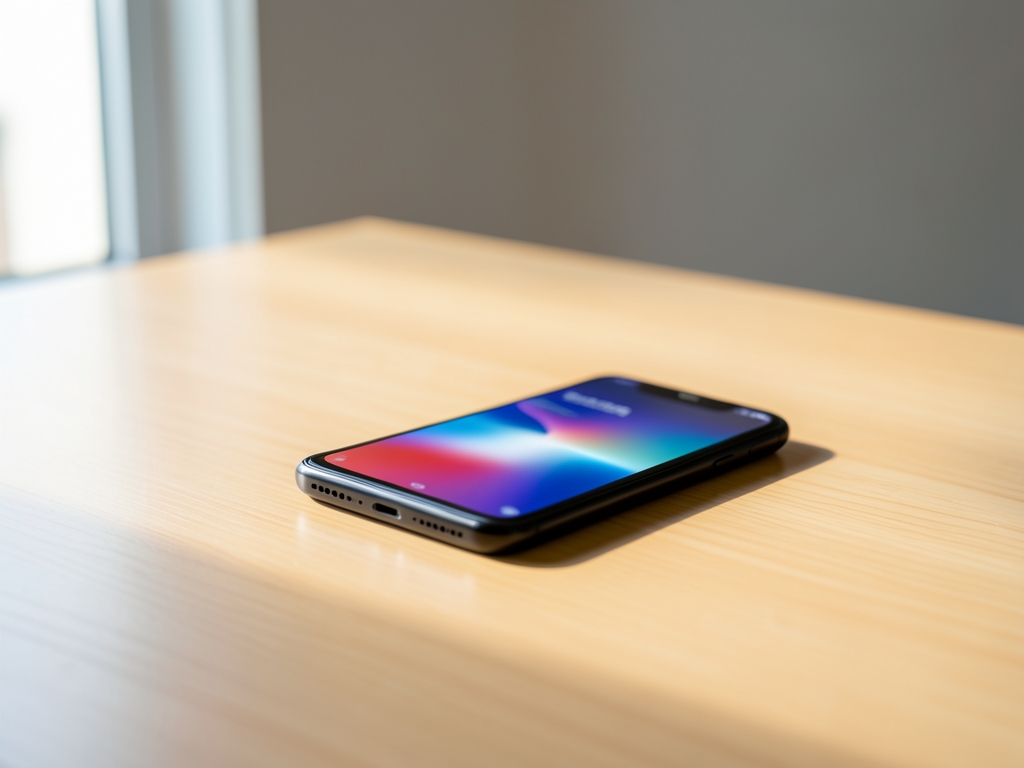
The smartphone industry has reached a defining threshold where traditional slab devices must contend with an increasingly mature generation of foldable hardware. As manufacturers refine hinge engineering, display durability, and thermal management, consumers evaluating top-tier devices face profound choices regarding form factor utility and long-term value. Examining the engineering realities behind these premium releases highlights how subtle shifts in aspect ratios, glass composition, and software integration redefine daily usability.
Engineering flexible displays requires a delicate balance between structural integrity and tactile responsiveness. Modern foldable panels utilize advanced ultra-thin glass layers bonded with specialized polymer substrates capable of enduring hundreds of thousands of fold cycles without structural degradation. When comparing contemporary dual-screen configurations against horizontal book-style foldables, engineers must solve complex problems involving crease minimization, chassis weight distribution, and dust ingress protection.
Display Technologies and Structural Innovations
The visual centerpiece of any foldable device is its internal flexible screen. Manufacturers now employ multi-layered dampening structures underneath the display panel to absorb mechanical stress and distribute pressure evenly across the fold line. This architectural approach significantly reduces visible surface distortion when viewed under direct light.
- Ultra-Thin Glass (UTG): Provides a glass-like feel and scratch resistance while retaining mechanical flexibility.
- Multi-Axial Hinge Design: Utilizes synchronized gears to allow the device to fold completely flat while protecting internal ribbon cables.
- Polarizer Layers: Integrated anti-reflective coatings maintain outdoor legibility despite the complex curvature of flexible OLED substrates.
- Dynamic Refresh Rates: LTPO backplanes scale refresh frequencies from 1Hz to 120Hz depending on active content to preserve battery capacity.
External cover displays have also evolved to match standard smartphone ergonomics. Rather than employing overly narrow aspect ratios that hindered typing accuracy in early generations, contemporary cover screens adopt standard 20:9 or similar proportions. This allows users to perform standard messaging, navigation, and media playback tasks without needing to unfold the device for routine interactions.
Processing Power, Thermal Management, and AI Workloads
Beneath the polished exterior chassis, high-end mobile processors dictate multitasking capabilities, computational photography speed, and on-device machine learning execution. Modern System-on-Chips (SoCs) fabricated on advanced sub-nanometer nodes integrate dedicated neural processing units capable of executing billions of operations per second directly on the device.
Thermal dissipation remains a primary challenge within foldable chassis architectures due to internal component fragmentation across dual housing compartments. Engineers deploy ultra-thin vapor chambers and graphite sheet arrays to transfer heat away from primary processor cores. Effective thermal management prevents sustained performance throttling during intensive tasks such as 4K video editing, real-time voice translation, and high-framerate mobile gaming.
Info! On-device artificial intelligence features require significant local memory bandwidth, making 12GB of LPDDR5X RAM the baseline standard for responsive multi-window multitasking.
Furthermore, software ecosystems must adapt dynamically to changing viewport dimensions. When a user unfolds a device, the operating system instantly re-renders active applications from a compact phone layout to a tablet-like multi-pane interface. Managing this transition seamlessly requires robust application programming interfaces that preserve user state without jarring visual stutter or unexpected reloads.
Battery Engineering and Power Distribution
Powering dual high-refresh-rate displays and high-performance processors demands sophisticated battery engineering. Because foldable chassis must remain exceptionally thin when closed, manufacturers frequently split battery cells across both halves of the device. This dual-cell configuration distributes weight symmetrically while accommodating mechanical hinges and camera modules.
| Metric | Foldable Flagship Category | Traditional Slab Flagship |
|---|---|---|
| Average Battery Capacity | 4,400mAh to 5,000mAh | 4,800mAh to 5,500mAh |
| Peak Charging Speeds | 65W Wired / 50W Wireless | 100W Wired / 80W Wireless |
| Average Thickness (Folded) | 10.5mm to 12.1mm | 8.2mm to 8.9mm |
| Primary Glass Protection | Proprietary UTG + Polymer Layer | Gorilla Glass Armor / Ceramic Shield |
Fast-charging protocols have also adapted to dual-cell layouts, utilizing split-charging circuits to replenish energy rapidly without inducing excessive thermal stress. Users transitioning from traditional slab phones will notice that modern foldable battery endurance comfortably supports a full day of mixed productivity, provided display brightness is managed efficiently.
Camera Systems and Optical Engineering
Integrating advanced camera hardware into a foldable chassis involves severe spatial constraints. Periscope telephoto modules, large primary sensors, and ultra-wide lenses must align within extremely slim enclosures without creating awkward camera bumps that destabilize the device when placed flat on a table.
Optical clarity in modern foldables relies heavily on computational photography pipelines that merge exposures instantly across multiple physical lenses, bridging the gap between compact hardware and professional imaging output.
Manufacturers address these limitations by prioritizing custom sensor geometries and advanced optical image stabilization. Software suites offer flexible shooting modes that leverage the unique folding geometry, allowing users to prop the device on a flat surface for stable tripod-free long-exposure photography or video recording.
Practical Buying Considerations and Ecosystem Longevity
Choosing between a foldable smartphone and a traditional flagship ultimately depends on individual workflow requirements. Professionals who frequently review documents, manage split-screen spreadsheets, or consume media on expansive canvases find undeniable utility in foldable form factors. Conversely, users prioritizing maximum drop durability, lighter pocket weight, and lower price points may prefer conventional slab devices.
- Assess your daily productivity habits: determine how often you utilize multi-window applications on mobile devices.
- Evaluate physical durability requirements: consider whether your daily environment exposes your phone to dust, moisture, or accidental drops.
- Review software update commitments: ensure the manufacturer guarantees at least five to seven years of operating system and security patches.
- Calculate total cost of ownership, including insurance coverage options specifically designed for flexible display panels.
As manufacturing yields improve and material science progresses, foldable devices continue to transition from niche luxury items into mainstream productivity tools. Understanding the underlying engineering principles ensures that buyers can make informed decisions aligned with their long-term mobile technology needs.
Are modern foldable smartphone displays resistant to scratching?
Modern foldables use ultra-thin glass protected by specialized polymer layers. While significantly more durable than early plastic screens, they remain softer than traditional smartphone glass and require careful handling to avoid sharp object damage.
How do foldable devices manage internal heat dissipation?
Manufacturers distribute custom vapor chambers and graphite cooling sheets across both halves of the folding chassis to transfer heat away from the processor during intensive computing tasks.
Do foldable phones support standard wireless charging speeds?
Yes, most premium foldable devices support high-speed wireless charging and reverse wireless charging, though coil alignment requires precise placement on charging pads due to the hinge spine.
What is the typical lifespan of a foldable display hinge?
Contemporary hinges are rigorously tested to withstand between 200,000 and 500,000 folding cycles, translating to many years of normal daily opening and closing.
Evaluating the trade-offs between innovative hardware designs and everyday practical durability ensures you select the device that best matches your personal and professional lifestyle.
