

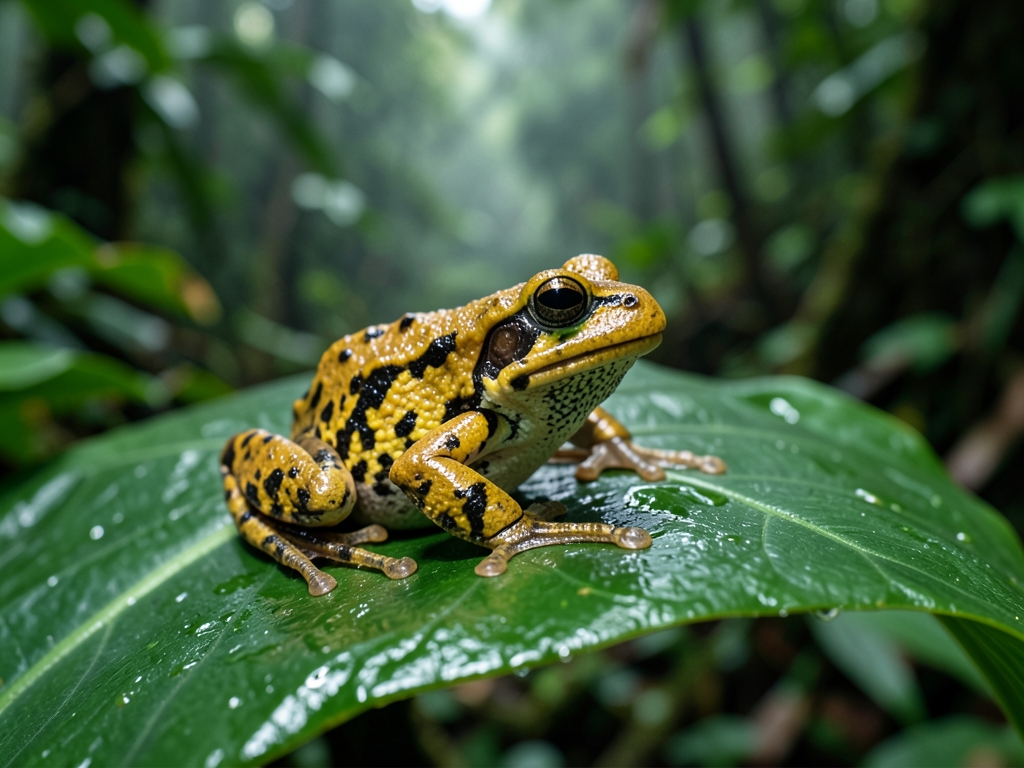
Amphibian populations across the globe have faced unprecedented pressures over recent decades, with infectious diseases playing a devastating role in population collapses and localized extinctions. Among the most potent and destructive threats to global biodiversity is the chytrid fungus, a microscopic pathogen that has relentlessly rewritten ecological dynamics across the Americas. Recent scientific investigations continue to shed light on how this deadly organism operates, how wild populations respond over time, and what innovative conservation strategies are being deployed to secure vulnerable species against relentless environmental pressures.
Understanding the mechanisms of chytridiomycosis—the disease caused by the chytrid fungus—remains a central priority for field biologists, immunologists, and conservation planners working in biodiversity hotspots. Recent findings from field studies and museum specimens provide vital clues into how certain populations persist while others experience catastrophic declines, offering a roadmap for targeted conservation interventions.
The Threat of Chytrid Fungus in Tropical Ecosystems
The chytrid fungus, scientifically categorized primarily as Batrachochytrium dendrobatidis (Bd), attacks the keratinized layers of amphibian skin. Because frogs, toads, and salamanders rely heavily on their skin for vital physiological functions such as respiration, water absorption, and electrolyte regulation, the disruption caused by the fungal infection is frequently fatal. When zoospores latch onto a host, they burrow into the epidermal cells, multiplying and disrupting osmotic balance until cardiac arrest or severe physiological failure occurs.
Tropical regions, particularly biodiversity-rich zones in Central and South America, have borne the brunt of this ecological crisis. The warm, humid conditions that favor high amphibian species richness also provide an ideal environment for the proliferation and transmission of the pathogen. Unlike seasonal temperature fluctuations in temperate zones, which can sometimes suppress fungal activity, tropical microclimates often maintain persistent transmission pressures year-round.
Conservationists monitoring these dynamics emphasize that the impact is rarely uniform. While some species experience near-total collapse within months of the pathogen's arrival, others exhibit surprising resilience or localized persistence, prompting intensive research into natural immunity and environmental buffering.
Recent Scientific Discoveries in Brazil and Panama
Recent investigations into museum archives and field sites have significantly advanced our understanding of chytrid dynamics. For instance, scientific teams examining museum-preserved specimens have been able to trace historical infection timelines, swabbing hundreds of historical museum frogs to reconstruct how epidemics swept through specific regions like Brazil's Atlantic Forest. These historical benchmarks allow researchers to compare past mortality events with contemporary survival rates in the wild.
Simultaneously, field studies focusing on specific refuges have highlighted the critical role of microhabitats in protecting sensitive species. In regions of Central America, such as Panama, specialized climate shelters and natural microenvironments have been shown to protect critically endangered harlequin frogs from the worst impacts of the chytrid fungus across a significant majority of seasonal cycles. These natural refugia often feature specific temperature and moisture profiles that inhibit optimal fungal growth while still meeting the physiological requirements of the amphibians.
However, the interplay between disease and survival is complex. Researchers note that while certain declined species remain common enough in specific niches to be studied and sampled clean of active infections, the broader landscape-level vulnerability persists. This duality underscores that survival is rarely about absolute immunity alone; rather, it involves a delicate balance between exposure rates, environmental microclimates, and host resilience.
Conservation Strategies and Habitat Protection
Mitigating the effects of chytrid fungus requires multifaceted conservation approaches that extend far beyond traditional reserve creation. Modern conservation biology increasingly integrates disease management into broader habitat protection frameworks, recognizing that healthy, intact ecosystems provide better buffering against environmental stressors.
- In-Situ Microclimate Management: Protecting forested corridors and canopy cover that maintain stable, localized temperature and humidity regimes capable of naturally suppressing fungal proliferation.
- Ex-Situ Assurance Colonies: Maintaining secure captive breeding populations of highly vulnerable species to insure against total extinction in the wild.
- Targeted Disease Surveillance: Regular monitoring of wild populations using non-destructive skin swabs to track pathogen loads and detect early warning signs of epidemic resurgence.
- Habitat Connectivity: Ensuring that surviving populations can migrate and interbreed, thereby enhancing genetic diversity and potential natural resistance traits.
These strategies require sustained funding, international collaboration, and long-term institutional support. As recent commentary from conservation economists and field researchers points out, navigating the dual crises of funding shortages and accelerating ecological threats demands innovative financial mechanisms and dedicated conservation alliances.
Info! Conservation science demonstrates that protecting complex forest structures not only preserves biodiversity but also helps regulate microclimates that mitigate pathogen virulence in vulnerable amphibian populations.
The Role of Conservation Alliances and Funding
Large-scale environmental initiatives and major philanthropic investments have increasingly stepped in to bridge the funding gap for global biodiversity protection. Securing stable, long-term financial resources is essential for maintaining field research stations, supporting anti-poaching and habitat-protection laws, and funding large-scale captive breeding and reintroduction programs. Without robust financial backing, critical monitoring programs risk discontinuation just as vital breakthroughs are being made.
Furthermore, Indigenous-led conservation initiatives and community-based management models are proving exceptionally effective in safeguarding critical habitats. By empowering local stewards who possess deep generational knowledge of regional ecosystems, conservation projects achieve higher rates of compliance, more effective monitoring, and more sustainable long-term outcomes than top-down mandates alone.
Challenges in Predicting Fungal Outbreaks
Predicting exactly when and where a chytrid outbreak will flare up remains a formidable scientific challenge. Environmental variables such as unusual temperature spikes, prolonged droughts, or shifting precipitation patterns driven by broader climatic shifts can suddenly alter the delicate balance between host and pathogen. When extreme weather events stress amphibian immune systems, pathogens that were previously kept in check can rapidly proliferate, triggering unexpected localized die-offs.
Researchers continue to build sophisticated predictive models incorporating meteorological data, hydrological monitoring, and epidemiological tracking to forecast high-risk periods. These tools allow conservation managers to deploy emergency interventions—such as temporary antifungal treatments or enhanced habitat shading—before a population experiences catastrophic loss.
The ongoing struggle against chytrid fungus illustrates that modern wildlife conservation requires a synthesis of molecular biology, ecology, and dedicated field stewardship to protect species on the brink of extinction.
Looking Ahead: The Future of Amphibian Biodiversity
The survival of the world's remaining amphibian species depends on proactive, science-driven management rather than passive observation. As researchers uncover more details about how natural refugia operate and how certain populations manage to persist despite ongoing pathogen pressure, these insights can be scaled up to protect broader ecosystems.
Ultimately, preserving global biodiversity requires addressing both the immediate microscopic threats like chytrid fungus and the overarching environmental pressures that exacerbate disease vulnerability. Through rigorous scientific research, targeted habitat management, and sustained international cooperation, the conservation community continues to forge viable pathways to secure a future for the planet's most vulnerable amphibians.
What is the chytrid fungus and how does it affect amphibians?
The chytrid fungus is a microscopic pathogen that attacks the keratinized layers of amphibian skin, disrupting vital physiological processes such as respiration, hydration, and electrolyte balance, frequently leading to fatal chytridiomycosis.
Why are tropical regions particularly vulnerable to chytrid infections?
Tropical regions host high amphibian species richness combined with warm, humid conditions that maintain persistent transmission pressures and favor the continuous proliferation of the pathogen throughout the year.
How do natural climate shelters protect vulnerable frog species?
Specialized microclimates feature temperature and moisture profiles that inhibit optimal fungal growth while remaining hospitable to the amphibians, significantly reducing disease prevalence across many seasonal cycles.
What role do museum specimens play in current amphibian research?
Museum specimens provide historical DNA and tissue samples that allow scientists to reconstruct past infection timelines, track how epidemics spread through historical populations, and compare them with contemporary survival rates.
In conclusion, the ongoing scientific exploration of amphibian diseases highlights the intricate connections between microclimate stability, pathogen behavior, and proactive conservation management. By combining historical museum analysis with cutting-edge field strategies, researchers and conservationists are steadily building a more resilient framework for protecting global biodiversity against emerging environmental threats.
Sources and Further Reading
- Smithsonian scientists swabbed 327 museum frogs and tied a mysterious die-off in Brazil's Atlantic Forest to the chytrid fungus, but the declined species still common enough to collect tested clean - ECOticias.com — ECOticias.com (published 2026-10-20 01:01)
- Climate shelters in Panama protect harlequin frogs from the chytrid fungus in over 80% of seasons - Noticias Ambientales — Noticias Ambientales (published 2026-10-19 20:41)
