

The summer of 2026 will be remembered across Europe not merely as a warm season, but as a historic climatic milestone that redefined the boundaries of public health vulnerability. Recent epidemiological and meteorological analyses indicate that more than 50,000 heat-related fatalities occurred across the continent during the peak summer months, establishing a harrowing precedent for seasonal mortality. As global temperatures continue to climb in response to cumulative greenhouse gas emissions, public health institutions, urban planners, and environmental scientists are confronting an urgent imperative: understanding the systemic drivers behind these catastrophic temperature anomalies and building robust adaptation strategies before future warm seasons outpace infrastructural capacities.
Warning! Extreme thermal stress affects human physiology rapidly, particularly among vulnerable populations such as the elderly, individuals with pre-existing cardiovascular conditions, and outdoor laborers.
Understanding the Meteorological Drivers of the 2026 European Heatwave
The unprecedented temperatures recorded across Southern, Western, and Central Europe during the summer of 2026 were driven by persistent atmospheric blocking patterns. These high-pressure systems formed stationary domes over the continental landmass, effectively trapping warm air masses and deflecting cooler Atlantic weather systems. This meteorological phenomenon, often referred to as a heat dome, created prolonged periods of stifling daytime temperatures paired with uncomfortably warm nights that denied human bodies the essential nocturnal cooling period necessary for physiological recovery.
Climatologists emphasize that the severity of these events is amplified by long-term regional warming trends. Europe continues to warm at a rate roughly twice the global average, a phenomenon driven by geographical factors, including lower soil moisture levels in southern latitudes and rapid atmospheric circulation changes. When dry soils dominate the landscape, solar radiation energy is channeled almost entirely into sensible heat rather than evaporating moisture, creating a self-reinforcing feedback loop that pushes ambient temperatures to extreme highs.
Furthermore, urban heat island effects compounded rural and suburban thermal stress. Dense metropolitan environments characterized by extensive asphalt, concrete facades, and minimal vegetative cover absorbed massive quantities of solar radiation during daylight hours and slowly radiated that heat back into the surrounding atmosphere throughout the night. In cities like Rome, Madrid, Athens, and Paris, nighttime temperatures frequently remained above 30 degrees Celsius, creating continuous physiological stress for millions of urban residents lacking adequate indoor climate control.
Public Health Impacts and Mortality Analysis
The human toll of the 2026 summer became apparent as excess mortality tracking systems collated data from national health ministries across the continent. Epidemiologists define excess mortality as the number of deaths from all causes during a specific crisis period compared to historical baseline averages for the same timeframe. The resulting figures revealed a staggering surge in fatalities, disproportionately affecting vulnerable demographic groups.
Cardiovascular and respiratory systems bear the brunt of extreme heat stress. When core body temperatures rise, the cardiovascular system must work exponentially harder to pump blood to the skin's surface for heat dissipation, placing immense strain on individuals with underlying heart conditions. Simultaneously, elevated ambient temperatures interact with stagnant air masses to concentrate ground-level ozone and particulate matter, triggering acute asthma attacks, chronic obstructive pulmonary disease exacerbations, and systemic inflammation.
| Impact Category | Primary Affected Group | Key Contributing Factor |
|---|---|---|
| Cardiovascular Strain | Elderly Populations (65+) | Increased cardiac output required for thermoregulation |
| Respiratory Distress | Urban Residents & Asthmatics | High ambient ozone and stagnant particulate pollution |
| Occupational Heat Stress | Outdoor Workers (Construction/Agriculture) | Prolonged physical exertion in direct sunlight |
| Nighttime Recovery Failure | Vulnerable Urban Dwellers | Lack of mechanical cooling and high nocturnal lows |
Occupational health researchers also highlighted the severe risks faced by outdoor workers in agriculture, construction, and delivery services. Despite regulatory guidelines implemented by several European nations mandating work-hour adjustments during peak UV and temperature windows, economic pressures and logistical demands frequently resulted in continued physical exertion under dangerous thermal conditions, leading to numerous instances of heat exhaustion, acute kidney injury, and fatal heatstroke.
Infrastructure Vulnerabilities and Societal Resilience
The sheer scale of the 2026 mortality figures exposed deep infrastructural vulnerabilities across European societies. While northern European cities have historically possessed lower baseline needs for residential air conditioning due to milder historical climates, the rapid intensification of summer heat has rendered traditional passive cooling methods—such as exterior shutters and cross-ventilation—insufficient for protecting occupants during prolonged heat domes.
Energy grids faced unprecedented demand spikes as millions of households and businesses activated mechanical cooling systems simultaneously. While most national grids managed the load through strategic interconnections and renewable solar generation peaks, localized distribution failures and transformer overloads caused intermittent blackouts in several dense urban neighborhoods, temporarily disabling indoor climate controls for thousands of residents at the height of the heatwave.
Water resource management similarly emerged as a critical bottleneck. Extended periods of below-average precipitation preceding and during the summer months depleted surface reservoirs and lowered groundwater tables. Agricultural irrigation restrictions were enacted across multiple Mediterranean river basins to preserve municipal drinking water supplies, illustrating the complex intersection between extreme heat, hydrological drought, and food security.
Strategic Adaptations and Future Preparedness
In the wake of this historic mortality event, policymakers and scientific advisors are calling for a paradigm shift in how European nations prepare for and respond to extreme weather events. Reactive emergency responses, such as issuing heat advisories and opening temporary cooling centers, are no longer adequate substitutes for comprehensive, long-term structural transformation.
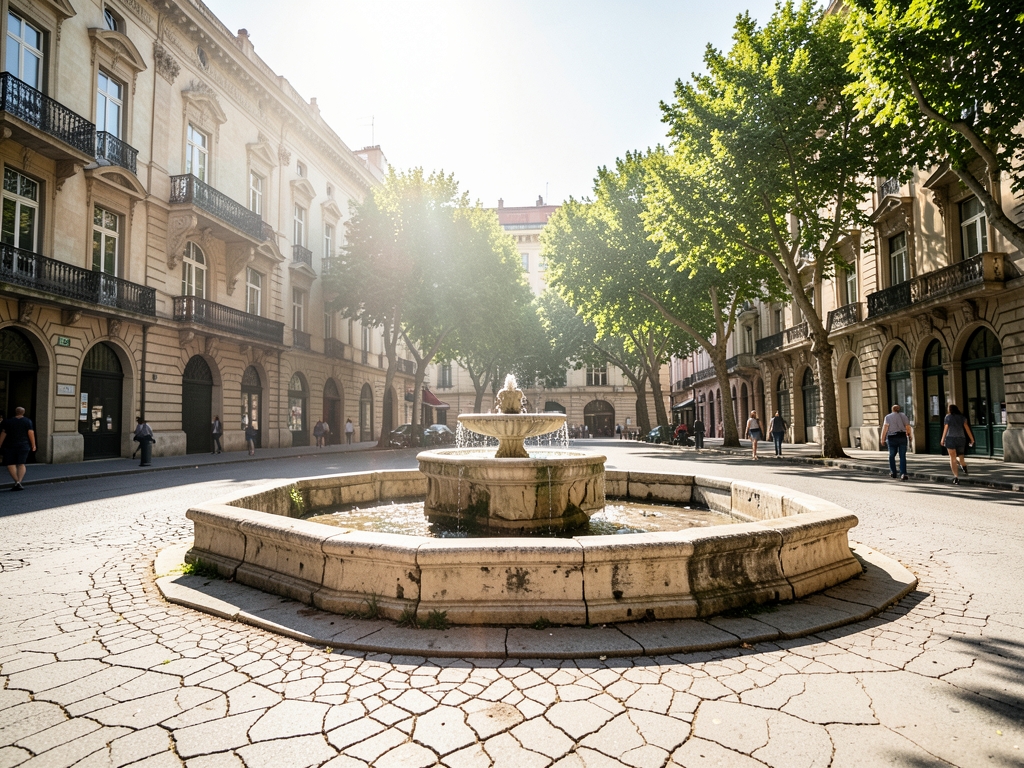
Urban planning initiatives are shifting toward aggressive nature-based solutions. Cities are redesigning public spaces to maximize shade canopy coverage through strategic tree planting, implementing cool-roof and green-roof building mandates to reduce solar absorption, and expanding permeable pavements that facilitate natural evaporative cooling. Integrating blue infrastructure—such as accessible water features, restored urban wetlands, and daylighted urban rivers—helps lower microclimate temperatures significantly.
- Enhance Early Warning Systems: Upgrade meteorological modeling to provide hyper-localized, multi-day thermal stress forecasts directly to vulnerable communities and healthcare providers.
- Retrofit Public and Residential Buildings: Prioritize energy-efficient passive cooling retrofits, insulation upgrades, and low-carbon mechanical cooling access for elderly care facilities and low-income housing.
- Re-engineer Urban Microclimates: Expand urban forestry budgets, mandate reflective building materials, and incorporate water-feature cooling networks into municipal zoning laws.
- Enforce Strict Occupational Protections: Legally mandate flexible working hours, mandatory hydration breaks, and mandatory suspension of heavy labor during red-tier heat alerts.
Healthcare systems are also restructuring their internal protocols to treat heat-related illnesses as public health emergencies comparable to seasonal influenza outbreaks or infectious disease surges. Training emergency medical personnel to recognize early signs of multi-organ heat strain and establishing real-time data-sharing networks between hospitals and meteorological agencies can significantly reduce response times and prevent avoidable fatalities.
As global climate trajectories continue to challenge historical weather baselines, Europe's 2026 summer serves as a sobering reminder that environmental resilience requires proactive infrastructural transformation rather than reactive emergency management.
What caused the exceptionally high mortality rates in Europe during the summer of 2026?
The high mortality was driven by persistent atmospheric blocking patterns known as heat domes, which trapped warm air over the continent, caused prolonged daytime extremes, and prevented nighttime cooling. This placed severe physiological strain on vulnerable populations, particularly the elderly and individuals with pre-existing health conditions.
Which demographic groups were most affected by the extreme heat events?
Elderly individuals aged 65 and older accounted for the vast majority of heat-related fatalities due to age-related declines in thermoregulation and underlying cardiovascular or respiratory illnesses. Outdoor workers and residents in dense urban environments without adequate air conditioning were also severely impacted.
How do urban heat islands contribute to summer mortality risks?
Urban heat islands occur when cities replace natural land cover with dense concentrations of pavement, buildings, and other surfaces that absorb and retain solar heat. This causes nighttime temperatures to remain artificially high, depriving human bodies of the essential cooling period needed during multi-day heatwaves.
What structural adaptations are cities implementing to combat future heatwaves?
Cities are increasingly investing in nature-based solutions, including expanding urban tree canopies, mandating reflective cool roofs, integrating water-based cooling infrastructure, and upgrading building codes to ensure efficient indoor thermal comfort without overloading electrical grids.
Conclusion
The staggering loss of life recorded across Europe during the summer of 2026 underscores an undeniable reality: human societies are currently unprepared for the velocity of climate destabilization. The crossing of this somber threshold of over 50,000 heat-related deaths must serve as a definitive turning point for public policy, urban design, and environmental protection. By bridging the gap between meteorological forecasting and actionable public health preparedness, European nations can begin to build resilient communities capable of weathering the climatic challenges of the decades ahead.
