

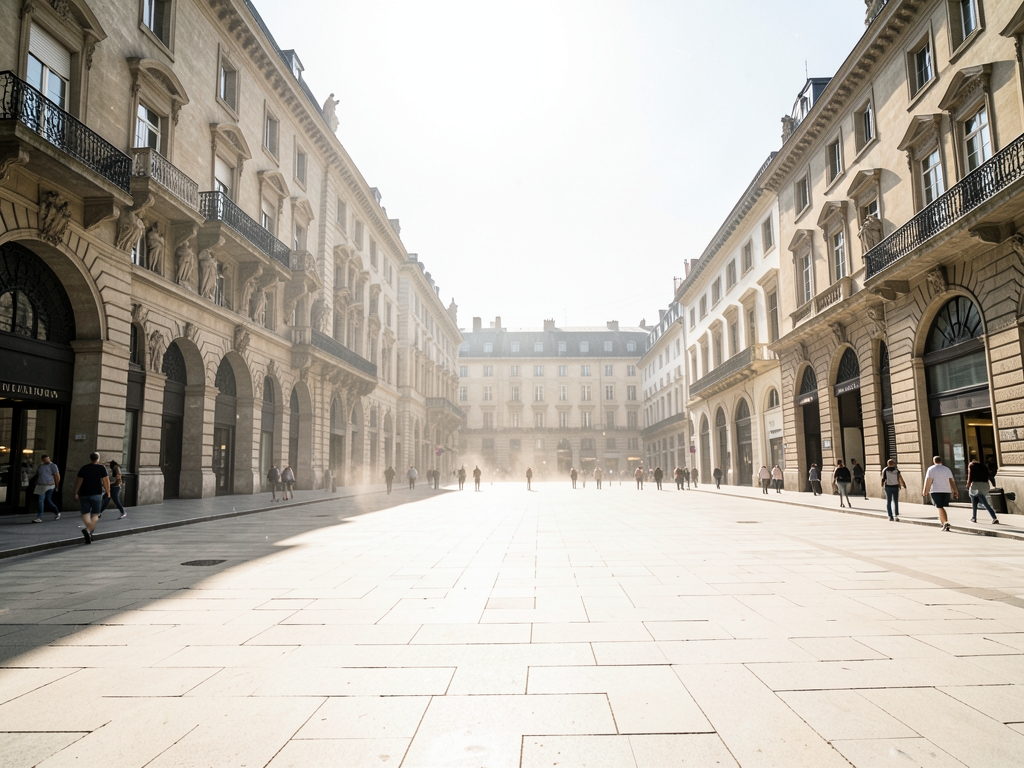
The summer season has long been associated with outdoor leisure, tourism, and warmth across the Northern Hemisphere. However, shifting climatic baselines are rapidly altering what summer means for densely populated regions worldwide. Recent findings and meteorological tracking from international reporting agencies have underscored an alarming reality: extreme temperature events are escalating in frequency, duration, and lethality. Among the most sobering data points emerging from recent meteorological assessments is the confirmation that the worst European heat wave on record resulted in more than 50,000 fatalities across urban centers. This profound loss of life has triggered urgent discussions among public health officials, urban planners, and environmental scientists regarding the immediate need for comprehensive adaptation strategies.
Understanding the dynamics behind such catastrophic temperature anomalies requires examining both macro-level atmospheric phenomena and local urban vulnerabilities. Unlike traditional weather events that present immediate visual hazards like floods or high winds, extreme heat operates as a silent hazard. Its impacts accumulate gradually over days and weeks, straining human physiological systems, overloading energy grids, and disproportionately affecting vulnerable populations, particularly the elderly and individuals with preexisting health conditions. As global average temperatures continue to climb, examining how European cities experienced this unprecedented summer provides essential lessons for urban resilience worldwide.
The Meteorological Drivers Behind Unprecedented European Temperatures
The meteorological conditions that produced the record-breaking summer temperatures across Europe involved complex interactions between persistent atmospheric blocking patterns and shifts in jet stream dynamics. High-pressure systems, often referred to as heat domes, parked themselves over the continent for extended periods. These atmospheric structures trap warm air underneath them, suppressing cloud cover and allowing intense solar radiation to bake the land surface day after day.
Furthermore, dry soil conditions across Southern and Central Europe significantly amplified the intensity of the heat. When soils lack sufficient moisture, the sun's energy cannot be used to evaporate water through plant transpiration—a natural cooling process known as latent heat flux. Instead, almost all incoming solar energy goes directly into sensible heat, raising the temperature of the air near the ground. This feedback loop creates a self-sustaining cycle where dry soils cause higher air temperatures, which in turn dry out the soils even further.
Scientists studying these patterns note that such extreme episodes are no longer statistical anomalies but rather predictable outcomes of accelerated climate change. The baseline temperature of the Mediterranean basin and mainland Europe has been rising at a rate significantly faster than the global average. This regional amplification means that even minor shifts in atmospheric circulation can trigger extreme temperature spikes that surpass historical records by wide margins.
Urban Heat Islands: Why Cities Become Death Traps During Heat Waves
While regional weather patterns set the stage, the human toll of these extreme temperature events is heavily concentrated in urban environments. Cities are inherently vulnerable due to the urban heat island effect. Concrete, asphalt, and brick absorb large amounts of solar radiation during the day and slowly release it back into the environment during the night, preventing temperatures from dropping to safe levels even after sunset.
During a prolonged heat wave, the lack of nighttime cooling is particularly dangerous. Human bodies require nighttime respite to recover from daytime heat stress. When overnight low temperatures remain exceptionally high, physiological strain accumulates continuously over successive days. This continuous stress triggers cardiovascular and respiratory complications, explaining why mortality rates surge during multi-week heat episodes.
Moreover, many European cities feature dense historic architecture characterized by narrow streets, high thermal mass buildings, and limited green space. While these traditional designs historically helped block direct sunlight, older apartment blocks often lack modern climate control infrastructure, such as energy-efficient air conditioning or advanced ventilation systems. As a result, indoor temperatures can exceed outdoor temperatures, turning residences into thermal traps for residents who cannot escape the heat.
Public Health Impacts and Vulnerable Populations
The human cost exceeding 50,000 fatalities highlights deep vulnerabilities within modern public health infrastructure. Epidemiological analyses of the mortality data reveal clear patterns regarding who is most at risk during extreme heat events:
- Elderly Residents: Older adults experience reduced thermoregulatory capacity and are more likely to have chronic cardiovascular or respiratory conditions that are exacerbated by thermal stress.
- Urban Dwellers Without Climate Control: Access to air-conditioned public spaces or residential cooling remains unevenly distributed across socioeconomic lines.
- Outdoor Workers: Construction workers, agricultural laborers, and delivery personnel face prolonged occupational exposure during peak daytime temperatures.
- Socially Isolated Individuals: People living alone often lack immediate assistance or check-ins during health emergencies triggered by high temperatures.
Warning! Extreme heat is a public health emergency. Unlike visible natural disasters, heat stroke and heat exhaustion can develop rapidly without immediate symptoms, making proactive hydration and cooling essential.
Public health authorities have increasingly emphasized that heat-related mortality is largely preventable through proactive intervention. Cities that implemented comprehensive heat-health action plans—including early warning systems, designated cooling centers, and outreach programs for vulnerable citizens—successfully reduced excess mortality during peak temperature weeks. However, the sheer scale of the recent fatalities demonstrates that existing municipal frameworks must be scaled up drastically to match future climate realities.
Adapting European Infrastructure for a Warmer Future
Mitigating the future impact of extreme summer temperatures requires a paradigm shift in urban planning and civil engineering. Traditional reliance on emergency response protocols is no longer sufficient; cities must undergo structural transformation to become inherently heat-resilient.
Key adaptation strategies currently being deployed or proposed across European municipalities include:
- Expanding Urban Green Infrastructure: Planting mature shade trees and developing pocket parks significantly reduces surface temperatures through natural evapotranspiration.
- Cool Roofs and Reflective Pavements: Replacing dark, heat-absorbing roofing materials with high-albedo white or reflective coatings prevents buildings from storing excessive solar energy.
- Enhancing Building Efficiency: Retrofitting older residential and public buildings with modern insulation, external shading devices, and energy-efficient cooling technologies.
- Water Integration: Incorporating fountains, misting stations, and daylighted urban rivers to provide localized cooling microclimates in dense public squares.
- Upgrading Early Warning Systems: Utilizing advanced meteorological modeling to issue targeted, localized alerts days in advance of a developing heat dome.
Implementing these measures requires significant financial investment and cross-sector coordination among municipal governments, architects, and citizens. Nevertheless, the alternative—accepting tens of thousands of preventable fatalities every few summers—is economically and socially unsustainable.
Global Implications and Lessons for Other Continents
While the recent mortality data focuses heavily on Europe, the underlying climatic and urban vulnerabilities are shared globally. North American cities, Asian megacities, and urban centers across the Global South face similar threats from escalating summer temperatures. The European experience serves as an important case study for urban planners worldwide.
One of the critical takeaways is the necessity of shifting public perception. Heat waves have historically been viewed as an inconvenience rather than a lethal natural hazard. Public awareness campaigns that treat extreme heat with the same urgency as hurricanes, floods, or earthquakes are essential for changing community behavior during high-risk periods.
Furthermore, international cooperation in sharing climate adaptation methodologies can accelerate response times. Cities leading in green urbanism, such as Paris with its schoolyard greening projects and various German municipalities expanding island sanctuaries and urban wetlands, offer practical blueprints that other regions can adapt to their local contexts.
As global temperatures continue to break historical records, the definition of climate resilience must evolve beyond carbon reduction to include active, structural adaptation designed to protect human life from extreme thermal events.
What caused the record-breaking summer heat wave in Europe?
The extreme temperatures were driven by persistent atmospheric blocking patterns, or heat domes, combined with dry soil conditions that amplified sensible heat and suppressed natural cooling processes.
Why are urban areas more dangerous during extreme heat waves?
Cities suffer from the urban heat island effect, where concrete and asphalt absorb solar heat during the day and release it at night, preventing temperatures from dropping and creating continuous physiological stress.
Which populations are most vulnerable to extreme temperature events?
Older adults, individuals with chronic cardiovascular or respiratory conditions, outdoor workers, socially isolated residents, and people living in buildings without adequate cooling infrastructure face the highest risks.
What measures are cities taking to improve heat resilience?
Cities are expanding urban green infrastructure, installing cool and reflective roofs, retrofitting buildings for better efficiency, incorporating water features, and strengthening early warning systems.
Conclusion
The confirmation that the worst European heat wave on record resulted in over 50,000 urban fatalities marks a critical juncture in environmental and public health policy. It demonstrates that climate change is an immediate, active threat rather than a distant projection. Addressing this challenge requires moving past reactive emergency measures toward deep structural transformations in how cities are designed, built, and managed. By prioritizing green infrastructure, upgrading building standards, and fostering public awareness, society can build resilient urban environments capable of protecting human health and well-being in a warmer future.
Sources and Further Reading
- Worst European heat wave on record this summer killed over 50,000 - The Jerusalem Post — The Jerusalem Post (published 2026-10-25 10:36)
- 'Worst on record': Brutal summer heat wave killed more than 50,000 in Europe's cities - KSL News — KSL News (published 2026-10-24 17:27)
- When the Term “Heat Wave” Is No Longer Enough - The New Republic — The New Republic (published 2026-10-24 11:00)
