

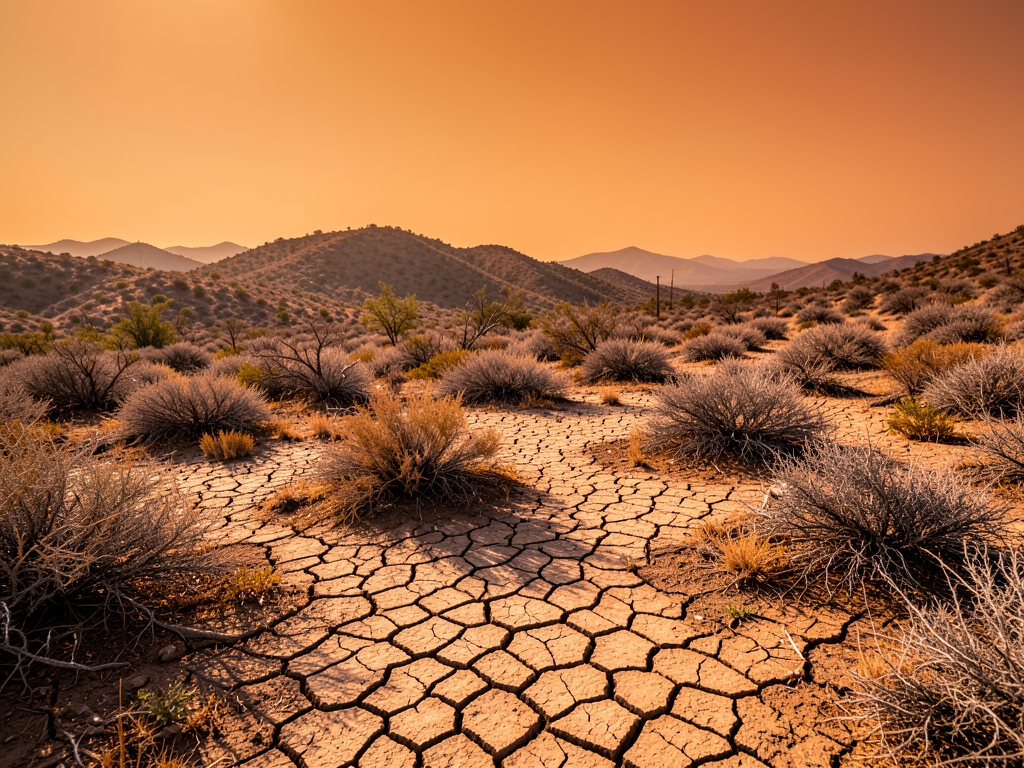
The increasing frequency of extreme weather anomalies across diverse global regions has brought heightened scientific scrutiny to the interconnected systems driving modern climatic shifts. Recent meteorological data highlights a concerning convergence of severe environmental pressures, ranging from extreme heat waves in Southeast Asia to compounding wildfire threats across western North America. Understanding these phenomena requires examining the underlying meteorological mechanisms, the empirical evidence gathered by monitoring agencies, and the broader implications for global ecosystems and human infrastructure.
Extreme Heat Dynamics in Indonesia: Meteorological Context
Recent observational reports from regional meteorological authorities, including Indonesia's Badan Meteorologi, Klimatologi, and Geofisika (BMKG), have documented exceptional temperature spikes reaching up to 38.2°C in various parts of the country. These elevated thermal readings reflect broader regional weather patterns characterized by prolonged dry spells, reduced cloud cover, and shifts in regional wind circulation systems. High surface temperatures during transitional dry seasons impose significant stress on local water resources, agricultural productivity, and public health.
Meteorologists emphasize that such extreme temperature events are governed by a complex interplay of seasonal monsoon variations, local topography, and large-scale oceanic-atmospheric oscillations. When persistent high-pressure systems stall over maritime continents, descending air masses suppress cloud formation and allow unhindered solar radiation to heat surface layers rapidly. This persistent thermal buildup not only intensifies daily heat stress indices but also exacerbates soil moisture depletion, creating cascading vulnerabilities across rural and urban environments alike.
Extreme temperature milestones serve as critical indicators of shifting baseline climatic conditions, demanding robust monitoring systems and adaptive community planning.
California Wildfire Risks: The Convergence of Heat and Wind
Simultaneously, environmental conditions in western North America have triggered renewed urgency regarding seasonal wildfire hazards. Meteorological analyses focusing on California highlight how rising ambient temperatures, combined with desiccated vegetation and periodic offshore wind events, create highly volatile conditions across brush-covered landscapes. These seasonal wind patterns, historically recognized for accelerating fire propagation, interact dynamically with long-term trends in regional aridity and prolonged drought conditions.
Info! Elevated wind speeds combined with critically low relative humidity levels significantly reduce the window for effective wildfire containment during peak hazard periods.
Research published by climate scientists and meteorological institutes indicates that while certain regional wind dynamics may experience nuanced shifts due to broader atmospheric warming, the overall drying effect on wildland fuels remains a dominant risk multiplier. Vegetation that has endured months of inadequate precipitation acts as highly combustible tinder, allowing accidental or naturally ignited fires to spread with unprecedented velocity. Emergency response agencies continuously update predictive modeling to track these variables, aiming to provide timely warnings to vulnerable communities.
Global Teleconnections and Planetary Boundaries
The simultaneous occurrence of severe heat anomalies in tropical Southeast Asia and heightened fire weather in temperate North America underscores the interconnected nature of Earth's climate system. Atmospheric scientists analyze these events through the lens of planetary boundaries and global teleconnections—large-scale climatic linkages that connect weather anomalies across vast geographic distances. Changes in sea surface temperatures, jet stream configurations, and cryospheric stability all contribute to the frequency and intensity of regional extreme weather episodes.
Evaluating these planetary shifts involves rigorous data collection across multiple scientific disciplines, including satellite remote sensing, ground-based meteorological stations, and oceanographic buoy networks. By synthesizing these observational streams, researchers can better distinguish between natural multi-year variability and accelerated trends driven by anthropogenic greenhouse gas emissions. This empirical foundation is essential for shaping international mitigation strategies and bolstering regional resilience against escalating environmental pressures.
Socioeconomic and Ecosystem Impacts
The tangible consequences of extreme heat and wildfire vulnerability extend far beyond immediate meteorological statistics. Agricultural sectors face severe challenges as crop yields decline under thermal stress and water scarcity. In tropical and subtropical regions, staple crops and cash crops alike suffer from disrupted precipitation cycles, prompting agricultural scientists to invest heavily in developing climate-resilient crop varieties capable of withstanding prolonged dry periods.
Similarly, urban centers experience heightened energy demands as cooling systems operate at maximum capacity during prolonged heat waves, straining electrical grids and increasing carbon emissions associated with fossil-fuel-dependent power generation. Public health advisories become vital tools for mitigating heat-related illnesses, particularly among vulnerable populations such as outdoor workers, the elderly, and individuals with pre-existing medical conditions.
| Region | Primary Environmental Hazard | Key Meteorological Driver | Primary Sector Affected |
|---|---|---|---|
| Indonesia | Extreme Heat (Up to 38.2°C) | Persistent High-Pressure & Dry Spells | Agriculture & Public Health |
| California | High Wildfire Risk | Desiccated Fuel & Offshore Winds | Forestry & Infrastructure |
| South Asia | Planetary Boundary Stress | Altered Monsoon Circulation | Water Resources & Rural Livelihoods |
Mitigation, Adaptation, and Resilience Planning
Addressing the compounding risks of extreme weather requires a dual approach focused on both climate mitigation—reducing global emissions to stabilize long-term temperature trajectories—and local adaptation. Communities worldwide are implementing sophisticated early-warning systems, upgrading building codes to withstand higher thermal loads, and establishing defensible spaces around residential areas situated near wildland-urban interfaces.
Warning! Ignoring long-term aridity trends and failing to adapt infrastructure can lead to catastrophic losses during extreme climate events.
Furthermore, international climate finance mechanisms play a pivotal role in supporting vulnerable nations and island communities as they build structural resilience against severe hydrological and meteorological shocks. Funding directed toward ecosystem restoration, such as mangrove rehabilitation and sustainable watershed management, provides natural buffers against coastal erosion, flooding, and extreme thermal stress.
What caused the recent extreme temperatures recorded in Indonesia?
The extreme heat, with temperatures reaching up to 38.2°C, was primarily driven by persistent high-pressure systems, reduced cloud cover, and seasonal dry spells that intensified solar radiation and surface heating.
Why is California facing an elevated risk of wildfires during hot periods?
High ambient temperatures combine with prolonged dryness to desiccate regional vegetation, creating highly combustible wildland fuels that propagate fires rapidly when driven by seasonal offshore winds.
How do meteorological agencies monitor these extreme weather events?
Agencies utilize a combination of ground-based weather stations, satellite remote sensing, atmospheric sounding, and advanced predictive modeling to track temperature anomalies and wind patterns.
What practical measures help communities adapt to increasing heat waves?
Communities implement early-warning heat advisories, expand urban green spaces to reduce the heat island effect, upgrade electrical grid capacities, and establish resilient public cooling centers.
Conclusion
The documented meteorological events in Indonesia and California illustrate the complex and pressing challenges posed by contemporary environmental shifts. By relying on rigorous scientific observation, empirical data collection, and proactive adaptation strategies, societies can better anticipate extreme weather anomalies and protect vulnerable ecosystems and human populations worldwide.
