

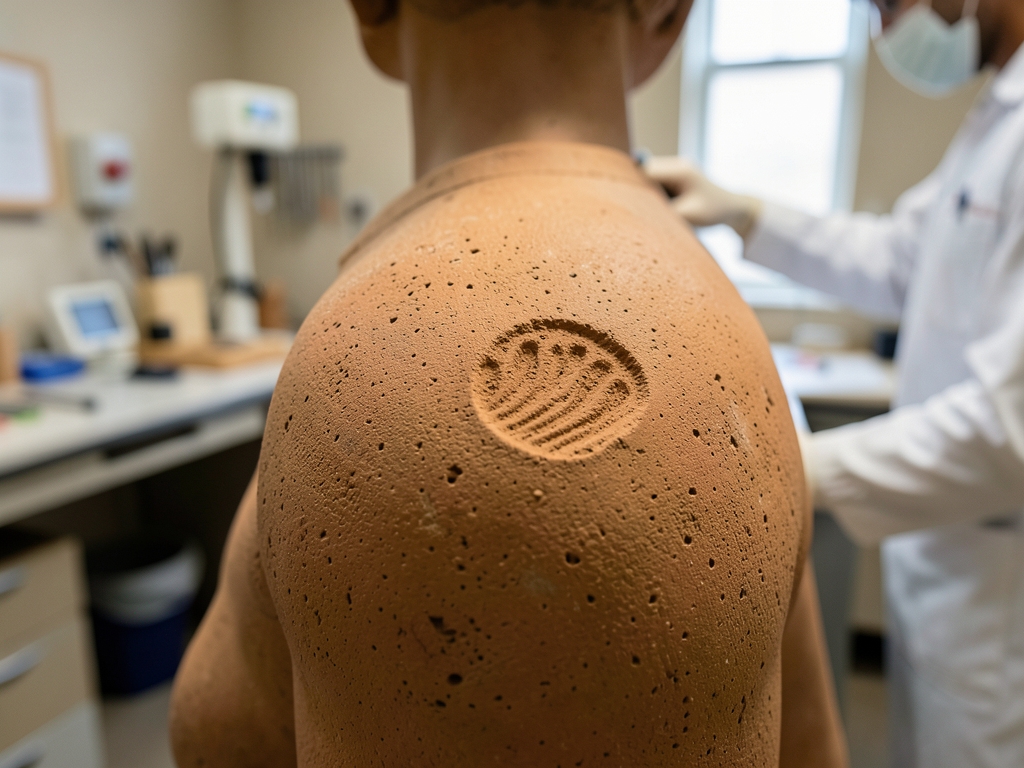
For more than four decades, the magnificent Terracotta Army of China’s first emperor, Qin Shi Huang, has stood as a towering symbol of imperial power, military might, and centralized state organization. Guarding the underground mausoleum near Xi'an, thousands of unique clay soldiers, horses, and chariots have fascinated historians and visitors worldwide since their accidental discovery by local farmers in 1974. Traditional historical narratives and scholarly assumptions long held that the creation of such an immense, highly standardized imperial project required a strictly regimented workforce composed entirely of adult male conscripts, imperial artisans, and corvée laborers overseen by strict government inspectors. However, recent scientific analyses of ancient fingerprints left embedded in the clay have fundamentally transformed our understanding of who built this monumental wonder, revealing the active participation of women and children among the makers.
This groundbreaking realization emerged from detailed dermatoglyphic research—the study of skin ridge patterns—conducted by archaeological teams examining the physical traces left behind by ancient craftspeople before the clay figures were fired in giant kilns over two millennia ago. While working with ancient ceramics, sculptors inevitably leave microscopic impressions in the yielding material. Modern forensic and archaeological techniques have advanced to the point where researchers can measure ridge breadth, density, and pattern types with extraordinary precision. By analyzing these tiny biological signatures preserved across hundreds of individual soldiers, armor plates, and structural bricks, scientists have uncovered a far more diverse demographic profile within the imperial workshops than previously documented in official texts.
The Mechanics of Ancient Imperial Production
To appreciate the significance of these findings, it is essential to examine the sheer scale and logistical complexity of the Qin Dynasty manufacturing apparatus. Constructing an underground army of life-sized warriors required a multi-tiered production system that combined mass-production techniques with individualized artistic touches. Heads, torsos, arms, legs, and facial features were frequently molded using prefabricated ceramic sections, after which skilled artisans added personalized features such as unique mustaches, hairstyles, and armor detailing. Workshops operated under strict imperial quality control, often stamping or engraving the names of manufacturing units or individual master craftsmen onto the completed pieces to ensure accountability.
Historians have long debated the social status of the laborers who toiled in these massive kiln complexes. Legal codes from the Qin Dynasty reveal a highly bureaucratic state characterized by severe punishments, precise quotas, and mandatory labor service. Traditional interpretations assumed that only registered adult males fulfilled these corvée obligations, as women and children were generally excluded from heavy state-directed public works in conventional historical frameworks. Yet, the physical evidence baked into the terracotta itself tells a different story. The microscopic ridges preserved on the statues indicate that individuals with smaller hands and finer papillary ridge patterns—consistent with the physiological characteristics of women and youths—were routinely involved in shaping, smoothing, and assembling the clay components.
Recent dermatoglyphic analyses of ancient Chinese ceramics demonstrate that historical manufacturing output relied on a broader family and community labor pool than standard administrative records officially acknowledged.
This discovery bridges a crucial gap between centralized imperial administration and the grassroots reality of ancient manufacturing. In many ancient agrarian societies, large-scale craft production was organized along household or lineage lines rather than strictly segregated modern factory lines. When the Qin state mobilized entire regions to fulfill monumental building quotas, entire households—including craftswomen and younger apprentices learning traditional ceramic techniques—may have contributed to the collective output. Rather than working as isolated conscripts in sterile state factories, these makers operated within integrated familial and regional workshops where skills were passed down across generations.
Analyzing Ancient Fingerprints: Methods and Scientific Validation
The methodology behind this historical revision relies on rigorous biometric comparisons. Human fingerprint ridge density varies predictably by sex and age. Adult males generally possess broader epidermal ridges on average compared to adult females and children, while children and adolescents exhibit significantly narrower ridge breadths due to their developmental stage. By applying statistical models developed through modern dermatoglyphic research to the impressions found on Qin Dynasty artifacts, forensic archaeologists can categorize the likelihood that a given impression was left by an adult male, an adult woman, or a young person.
Researchers examining the Terracotta Army have systematically scanned hundreds of accessible surfaces where fingers pressed into wet clay before firing. Many of these prints are found on inner structural supports, hidden parts of armor, and unassuming tile foundations where workers did not bother to smooth away their accidental marks. The statistical distribution of these measurements reveals clusters that fall well outside the expected range for adult male laborers alone. Instead, the data points clearly toward the presence of female artisans and younger apprentices working alongside veteran master sculptors.
| Analysis Category | Traditional Historical View | Recent Archaeological Evidence |
|---|---|---|
| Workforce Demographics | Strictly adult male conscripts and master artisans | Diverse community labor including women and children |
| Workshop Organization | Centralized state-run military factories | Household and lineage-based collaborative production |
| Skill Transmission | Rigid bureaucratic oversight and punishment | Generational apprenticeship and family-based training |
| Physical Preservation | Surface features primarily studied for style | Microscopic dermatoglyphic ridge analysis |
This scientific approach transforms silent artifacts into active testaments of individual human lives. Each fingerprint represents a momentary interaction between a living person and a lump of clay more than two thousand years ago. By recovering these hidden identities, modern archaeology shifts its focus away from elite emperors and military commanders toward the anonymous individuals whose daily labor sustained the ancient world.
Broader Implications for Qin Dynasty Social History
The revelation that women and children participated in creating one of history's most famous archaeological treasures prompts a re-evaluation of social roles during the Qin Dynasty. While Qin legal codes were notoriously strict and patriarchal, the practical demands of empire-building often forced flexibility upon local administrative practices. When faced with unprecedented construction deadlines for the emperor's vast underground necropolis, regional authorities likely mobilized every available pair of hands within designated craft-producing communities.
Furthermore, the involvement of younger individuals highlights the importance of ancient apprenticeship systems. In traditional ceramic and sculpture workshops, children began learning trade secrets at an early age by performing basic tasks such as kneading clay, preparing molds, and smoothing surfaces. The physical evidence left in the terracotta suggests that young artisans were fully integrated into the production pipeline, gaining hands-on experience under the guidance of experienced family members and master supervisors. This continuity of specialized knowledge ensured the exceptionally high technical standard that allowed the statues to survive underground for millennia.
Info! Non-destructive surface scanning and advanced microscopic imaging continue to reveal new physical traces on ancient monuments without damaging fragile historical materials.
As archaeologists continue to apply advanced imaging and biometric analysis to other sites associated with the Qin and Han dynasties, our understanding of ancient labor dynamics will undoubtedly continue to evolve. The Terracotta Army is no longer viewed merely as an impersonal monument to imperial tyranny, but as the collaborative achievement of an entire society—men, women, and children whose skilled hands shaped the cultural heritage of China.
How were ancient fingerprints discovered on the Terracotta Army?
Researchers used advanced dermatoglyphic analysis to measure skin ridge breadth, density, and pattern types preserved in the clay surfaces before the statues were fired in ancient kilns.
What do the fingerprint analyses reveal about the makers?
The statistical distribution of ridge measurements indicates that women and children participated alongside adult male artisans in shaping and constructing the clay figures.
Why did historians previously assume only men built the statues?
Traditional historical models relied heavily on official Qin Dynasty legal texts and administrative records, which suggested that state corvée labor service was restricted to registered adult males.
What role did children play in the ancient workshops?
Children likely worked as apprentices within family or lineage-based workshops, helping prepare materials and learning traditional sculpting techniques under the supervision of master artisans.
Conclusion
The discovery of women and children's fingerprints among the makers of China's Terracotta Army serves as a powerful reminder that history is rarely as monolithic as official records suggest. By combining advanced scientific analysis with traditional archaeological excavation, researchers are recovering the forgotten contributions of ordinary individuals who built the ancient world. As ongoing studies shed new light on these ancient workshops, we gain a deeper, more inclusive appreciation of the human stories embedded within humanity's greatest cultural treasures.
