

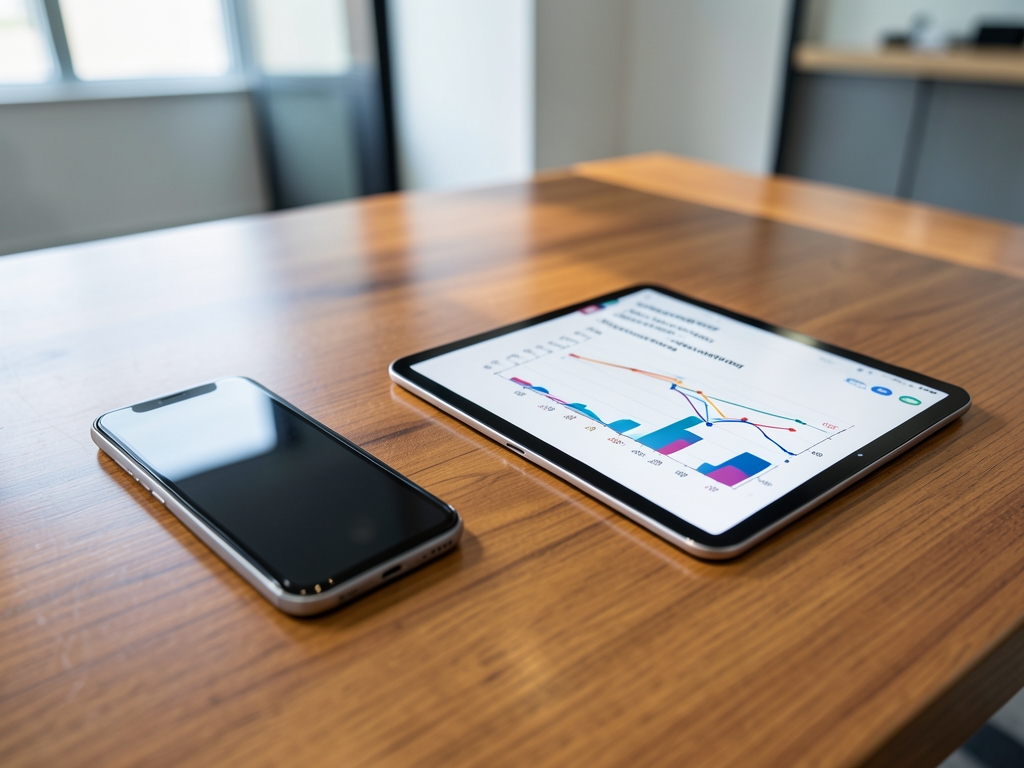
The global smartphone replacement market in 2026 continues to evolve rapidly as consumer habits, economic factors, and technological innovations reshape upgrade cycles across major international territories. Industry analysis from regions spanning India, China, the United States, and Europe highlights divergent consumer priorities, varying device retention periods, and distinct purchasing behaviors. Understanding how these markets function provides valuable insight into the broader mobile technology landscape and helps consumers navigate their own upgrade decisions.
Overview of the 2026 Global Smartphone Replacement Market
In recent years, the lifecycle of a typical mobile phone has noticeably lengthened. Users are holding onto their devices for longer periods, driven by incremental hardware upgrades, rising retail prices for flagship models, and a growing emphasis on sustainability and device longevity. However, regional differences remain stark. While emerging markets in Asia experience dynamic growth driven by first-time buyers transitioning to smartphones and rapid middle-class expansion, mature markets in North America and Western Europe are characterized predominantly by replacement and trade-in cycles.
Market research firms tracking quarterly shipments note that replacement demand is heavily influenced by software support windows, battery degradation, and major structural shifts in mobile operating systems. Consumers are no longer rushing to upgrade simply for marginal camera improvements or minor processor speed bumps. Instead, they look for substantial generational leaps in artificial intelligence processing, battery architecture, and long-term durability.
Market Dynamics in North America and Europe
In the United States and Europe, the smartphone market is heavily saturated. Penetration rates exceed ninety percent in most urban centers, meaning nearly every sale represents a replacement rather than a brand-new acquisition. Consequently, carriers and manufacturers rely heavily on trade-in promotions, installment plans, and extended financing options to entice buyers into upgrading.
Saturated markets in North America and Western Europe rely heavily on structured trade-in programs and multi-year carrier agreements to maintain steady replacement volumes.
European consumers, influenced by stringent right-to-repair regulations and economic considerations, increasingly prioritize device repairability, software update longevity, and energy efficiency. Buyers in these regions often keep their devices for three to four years or even longer. Similarly, United States consumers frequently utilize carrier upgrade programs that span 24 to 36 months, shifting the traditional two-year replacement cycle into a longer, more deliberate rhythm.
Growth and Replacement Trends in China and India
Contrasting sharply with Western markets, the dynamic landscapes of China and India exhibit unique replacement drivers. China represents a fiercely competitive ecosystem where domestic manufacturers constantly push the envelope in folding displays, fast-charging capabilities, and deeply integrated local AI services. Chinese consumers are often quick to adopt cutting-edge hardware innovations, leading to shorter replacement cycles among tech-savvy urban populations.
India, meanwhile, remains one of the most vibrant growth engines for the mobile industry. While a significant portion of current activity involves the transition from basic feature phones to affordable entry-level smartphones, the replacement market within India's metropolitan centers is maturing rapidly. Consumers in these urban hubs increasingly demand mid-range devices equipped with robust processing power, large batteries, and versatile multi-lens camera systems.
| Region | Primary Market Characteristic | Average Upgrade Window | Key Consumer Driver |
|---|---|---|---|
| United States | Carrier-subsidized upgrades | 24 to 36 months | Trade-in deals & financing |
| Europe | High focus on sustainability | 36 to 48 months | Repairability & long support |
| China | Rapid hardware adoption | 18 to 24 months | Advanced tech & fast charging |
| India | Transition & mid-range growth | 24 to 30 months | Value for money & performance |
Key Factors Influencing Consumer Upgrade Decisions
When analyzing why consumers finally decide to retire an older phone, several universal factors emerge across all geographical boundaries. Recognizing these triggers helps explain why certain demographic segments upgrade while others hold firm.
- Battery Health Degradation: Lithium-ion battery capacity naturally diminishes over time, leading to frequent recharging and performance throttling that eventually prompts users to buy a replacement.
- End of Software Support: Manufacturers gradually phase out security patches and operating system updates for older models, making continued use a potential security risk.
- Hardware Failures: Accidental drops, cracked screens, or internal component wear often make repair costs uneconomical relative to purchasing a modern device.
- Major Feature Shifts: Breakthroughs in local artificial intelligence processing, vastly superior low-light camera sensors, or new connectivity standards can persuade holdouts to finally invest in a new phone.
Economic Pressures and Consumer Caution
Global economic fluctuations have also played a decisive role in shaping the 2026 replacement landscape. Inflationary pressures and cautious consumer spending in many Western economies have made buyers much more selective. Instead of automatically purchasing top-tier flagship handsets priced at four-figure sums, a growing percentage of shoppers gravitate toward upper mid-range alternatives that offer eighty percent of the premium experience at half the cost.
Info! Upper mid-range smartphones have emerged as the sweet spot for global consumers, capturing significant market share from ultra-premium flagships due to exceptional price-to-performance ratios.
Furthermore, the refurbished and used phone market continues to siphon potential buyers away from brand-new device sales. Certified pre-owned programs managed by major retailers and manufacturers provide a trustworthy, cost-effective avenue for consumers seeking high-end hardware without the steep retail price tag.
What is the average smartphone replacement cycle in the United States and Europe?
In mature markets like the United States and Europe, the average upgrade window typically spans between 30 and 48 months, influenced by carrier financing structures and a growing consumer focus on device longevity.
How do purchasing behaviors differ between India and Western markets?
While Western markets are heavily saturated and focus on replacing existing premium devices through carrier trade-ins, India features a blend of first-time smartphone buyers and a fast-growing urban segment demanding high-value mid-range performance.
Why are consumers holding onto their smartphones for longer periods?
Consumers retain their phones longer due to rising retail prices, incremental hardware updates between generations, extended software support windows, and economic caution favoring durability over frequent upgrades.
What role do trade-in programs play in the global replacement market?
Trade-in programs act as a primary catalyst for sales in mature regions by lowering the upfront cost of new devices, making premium upgrades more financially accessible for everyday consumers.
Conclusion
The global smartphone replacement market in 2026 reflects a mature, highly discerning consumer base. Whether navigating carrier plans in North America, prioritizing sustainability in Europe, chasing advanced hardware in China, or seeking exceptional value in India, buyers are increasingly deliberate about when and why they upgrade. As manufacturers respond with better software longevity, stronger repair policies, and meaningful technological improvements, the balance between innovation and practical utility will continue to define the future of mobile device replacement worldwide.
