

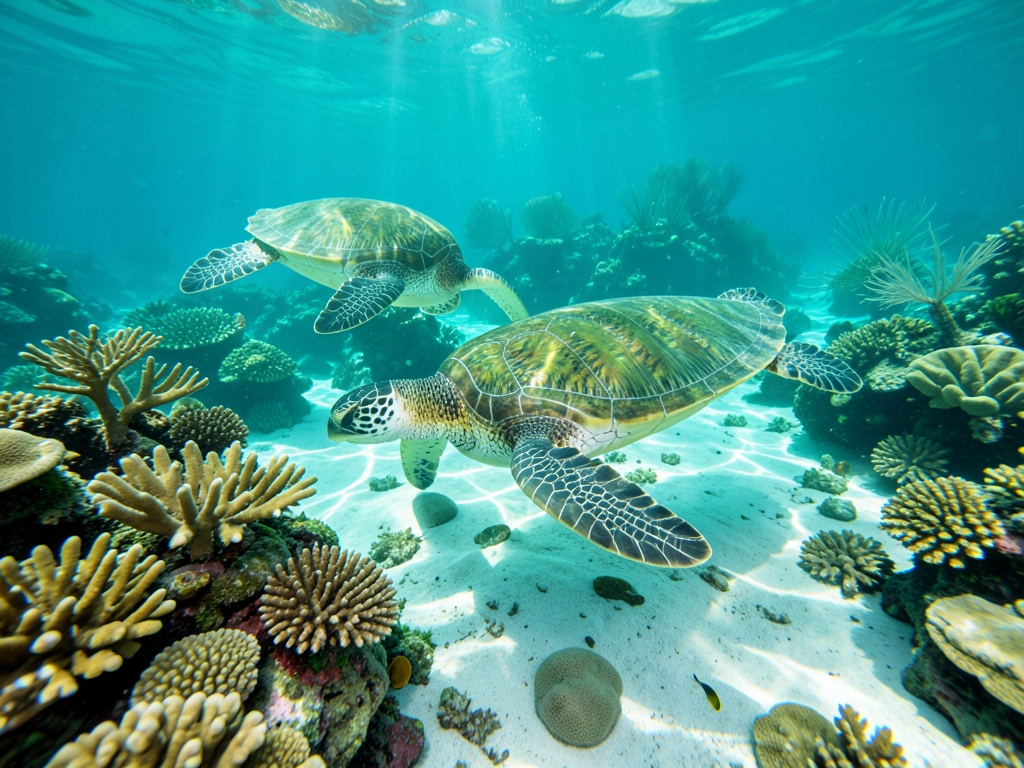
Marine conservation efforts often face discouraging headlines regarding global wildlife populations and habitat degradation. However, recent ecological field observations reveal encouraging counter-trends among specific marine species. Notably, green sea turtles across several monitored nesting grounds have demonstrated remarkable population resilience, bucking broader trends of species decline and offering vital lessons for global conservation strategies.
Understanding the underlying drivers of this recovery requires a close look at decades of coordinated international protection frameworks, community-led nesting beach management, and strict regulatory controls on harvesting. While many marine organisms continue to struggle against environmental pressures, the green sea turtle's trajectory highlights how targeted conservation interventions can yield measurable ecological successes over time.
Historical Context and Conservation Challenges
For decades, green sea turtles (Chelonia mydas) faced severe anthropogenic threats that pushed numerous regional sub-populations toward the brink of extinction. Historical pressures included commercial harvesting for meat and eggs, incidental capture in industrial fisheries known as bycatch, and widespread degradation of critical coastal habitats such as seagrass meadows and nesting beaches.
Coastal development significantly reduced available nesting terrain, while marine pollution and ocean warming introduced additional physiological stressors. Despite these formidable obstacles, international agreements such as the Convention on International Trade in Endangered Species of Wild Fauna and Flora and regional marine protected area designations established a legal foundation for defensive management.
The resurgence of green sea turtle populations in several key marine zones demonstrates that long-term legal protection, combined with grassroots community vigilance, can reverse decades of population decline in migratory marine species.
Key Factors Driving Population Growth
The recent positive trends observed in green turtle numbers stem from a multifaceted approach to conservation science and wildlife management. Researchers point to several primary drivers contributing to this ecological rebound:
- Strict Legal Protection: Enforced national and international bans on the commercial trade of green turtle products have drastically reduced direct harvesting pressure.
- Nesting Beach Management: Dedicated conservation groups and local volunteers actively monitor and protect nesting sites from predators, poachers, and human encroachment during vulnerable reproductive windows.
- Bycatch Mitigation Measures: The widespread adoption of turtle excluder devices in commercial trawl fisheries has significantly lowered accidental mortality rates among juvenile and adult populations.
- Seagrass Habitat Restoration: Protecting and restoring coastal seagrass meadows ensures that recovering populations have abundant food resources required for foraging and maturation.
Info! Green sea turtles are unique among marine turtles as adults because they are primarily herbivorous, feeding extensively on seagrasses and algae, which helps maintain the health of benthic marine ecosystems.
Global Regional Variations and Monitoring Efforts
While the overall outlook for green sea turtles shows promising signs of recovery, population trends vary significantly by region. Monitoring programs in the Pacific, Atlantic, and Indian Oceans utilize tagging, satellite telemetry, and genetic analysis to track local demographics accurately.
In some eastern Pacific and Caribbean nesting sites, decades of continuous monitoring reveal exponential increases in annual nesting females. Conversely, certain isolated island populations continue to experience localized pressures requiring intensified management attention. This disparity underscores the necessity of regionally tailored conservation action plans rather than generalized global policies.
Implications for Broader Marine Biodiversity
The recovery of green sea turtle populations carries profound ecological implications for broader marine ecosystems. As mega-herbivores, green turtles play a crucial role in maintaining the productivity and nutrient cycling of seagrass ecosystems. By grazing on seagrass blades, they prevent overgrowth and encourage healthy shoot production, which in turn supports a diverse array of fish, invertebrates, and microorganisms.
Furthermore, unhatched eggs and successful hatchling migrations provide vital marine-derived nutrients to terrestrial and coastal food webs. Consequently, the rebound of these charismatic reptiles serves as a positive indicator of overall ocean health and ecosystem resilience.
| Conservation Strategy | Primary Mechanism | Ecological Impact |
|---|---|---|
| Turtle Excluder Devices | Modified net openings allowing turtles to escape | Reduces industrial fishing mortality |
| Beach Sanctuaries | Restricting nocturnal human access and artificial lighting | Improves hatchling survival rates |
| Marine Protected Areas | Designated no-take and restricted-use ocean zones | Safeguards foraging adults and juveniles |
Challenges That Remain Ahead
Despite these notable conservation milestones, green sea turtles are not entirely free from systemic environmental risks. Ongoing climate change presents multifaceted challenges, including rising sand temperatures on nesting beaches, which can skew hatchling sex ratios toward predominantly female offspring.
Additionally, coastal squeeze caused by sea-level rise and coastal infrastructure development limits the landward migration of nesting habitats. Addressing these emerging threats requires adaptive management strategies that integrate climate projections into long-term marine spatial planning and coastal zone regulations.
Why are green sea turtle populations increasing in certain regions?
Populations are rebounding due to decades of strict international trade bans, effective nesting beach protection programs, reduced commercial fishing bycatch through turtle excluder devices, and dedicated habitat conservation.
What role do green turtles play in marine ecosystems?
As primary herbivores, adult green turtles graze on seagrass meadows, maintaining plant health, preventing overgrowth, and supporting nutrient cycling that benefits numerous other marine species.
Are green sea turtles still considered an endangered species?
Conservation status varies by sub-population under the IUCN Red List, with some regional groups showing strong recovery while others remain vulnerable due to localized anthropogenic pressures and habitat loss.
