

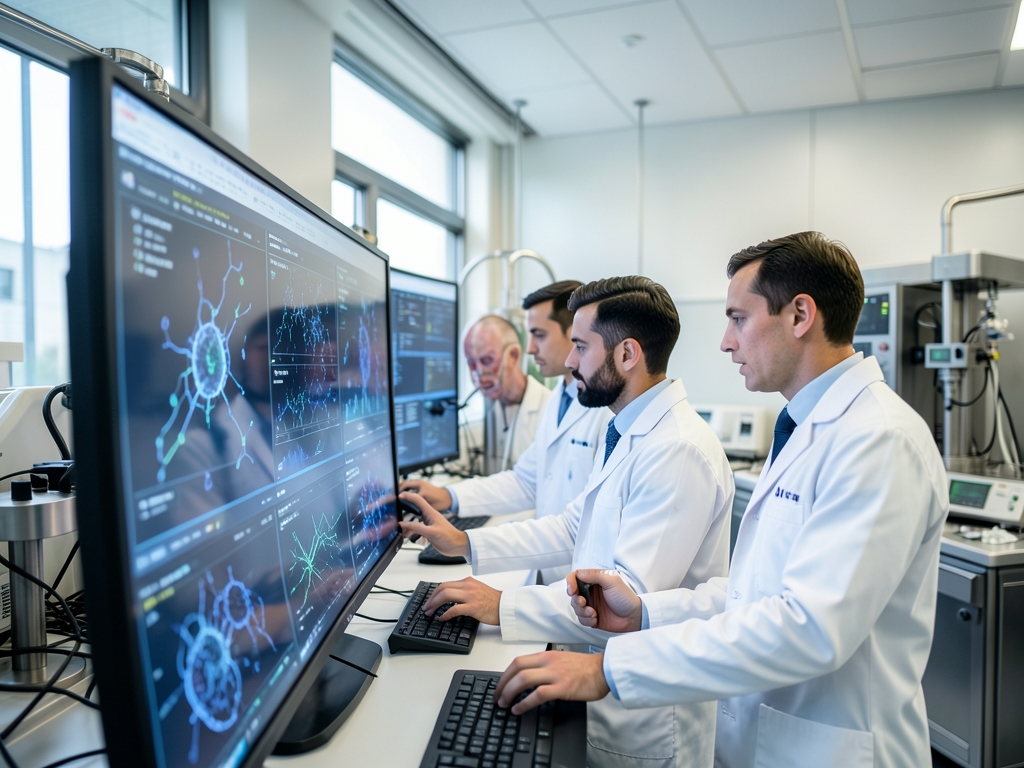
Medical research in immuno-oncology continues to evolve at a remarkable pace, offering new therapeutic avenues for individuals facing challenging prognoses. Recent clinical evaluations of individualized cancer vaccines have reported encouraging outcomes, particularly for patients classified at high risk for disease recurrence. These targeted approaches represent a significant shift from conventional, generalized cancer therapies toward highly customized treatments designed around a patient’s specific tumor neoantigens.
Understanding these developments requires examining how modern biotechnology combines genomic sequencing with immunotherapy. Rather than relying solely on traditional chemotherapy or broad-spectrum systemic agents, contemporary clinical trials explore whether training a patient's own immune system to recognize unique molecular signatures can effectively suppress residual malignant cells and prevent relapse.
The Scientific Foundation of Individualized Cancer Vaccines
To appreciate the significance of recent clinical announcements, it is essential to examine the underlying methodology of personalized cancer immunization. Every tumor carries a distinct set of genetic mutations that differentiate cancerous cells from healthy tissue. These alterations produce abnormal proteins, or neoantigens, which do not occur elsewhere in the body.
Researchers utilize advanced next-generation sequencing and bioinformatics algorithms to scan a patient's resected tumor tissue alongside healthy tissue samples. By comparing the genetic profiles, scientists identify specific neoantigens capable of triggering a robust T-cell response. Once these targets are isolated, a custom mRNA or peptide-based vaccine is manufactured specifically for that individual.
When administered, the vaccine delivers instructions instructing antigen-presenting cells to display these tumor-specific markers. Consequently, the patient's adaptive immune system learns to identify and destroy malignant cells bearing those exact mutations, establishing a targeted defense mechanism designed to patrol the body and neutralize micro-metastases before secondary tumors can form.
Evaluating Recent Clinical Trial Outcomes
Recent data released by research foundations and clinical trial sponsors highlight measurable progress in treating high-risk patient cohorts. Clinical investigations focusing on aggressive malignancies, such as high-risk melanoma, have demonstrated that combining individualized vaccines with established checkpoint inhibitors can significantly alter recurrence trajectories.
Clinical trials monitor key endpoints such as recurrence-free survival (RFS) and distant metastasis-free survival (DMFS). Investigators track whether patients receiving the combination therapy experience extended periods without disease return compared to those receiving standard immunotherapy alone. While individual responses vary, interim analyses indicate that personalized immune activation can successfully stimulate potent anti-tumor responses even in challenging clinical environments.
Personalized cancer immunotherapy bridges genomics and immunology, turning a patient's unique genetic blueprint into a custom weapon against recurrent disease.
Despite these encouraging findings, medical experts emphasize the importance of interpreting trial results within their proper scientific context. Clinical trials are meticulously controlled studies conducted across specific patient populations under strict protocols. Translating early or mid-stage trial success into widespread clinical availability requires extensive phase three validation, large-scale participant cohorts, and rigorous regulatory review.
Challenges in Manufacturing and Implementation
While the theoretical framework of personalized cancer vaccination is compelling, scaling the technology for broad clinical use presents considerable logistical and economic challenges. Unlike mass-produced pharmaceuticals, every individualized vaccine is a bespoke therapeutic product tailored to a single patient.
Info! The manufacturing pipeline requires rapid tumor biopsy processing, genomic sequencing, computational epitope selection, and custom synthesis, all within a strict clinical turnaround time.
These complex manufacturing requirements influence production timelines and overall healthcare economics. Researchers and biotechnology firms continue to refine laboratory workflows, aiming to streamline sequencing efficiency and reduce production latency. Overcoming these hurdles is essential to ensuring that personalized treatments can transition from specialized clinical trial centers into mainstream oncology departments globally.
The Broader Landscape of Immuno-Oncology
Individualized vaccines do not operate in isolation; they represent one component of a rapidly expanding toolkit within modern immuno-oncology. Complementary advancements include artificial intelligence platforms designed to analyze the tumor microenvironment, novel monoclonal antibodies, and adoptive cell therapies.
For example, artificial intelligence tools are increasingly utilized to map spatial cellular architecture within tumor tissues, helping researchers understand why certain immune cells successfully infiltrate tumors while others remain excluded. Integrating computational pathology with genomic data enhances the precision of target selection for upcoming vaccine generations.
Furthermore, ongoing studies seek to expand personalized vaccine applications beyond melanoma into other solid tumors, including lung, pancreatic, and colorectal cancers. Each cancer type presents unique immunological barriers, requiring researchers to adapt their sequencing and formulation strategies accordingly.
Patient Safety and Side Effect Profiles
Evaluating any new therapeutic intervention requires a thorough assessment of safety parameters and potential adverse events. Because individualized cancer vaccines stimulate targeted immune activity, reported side effects often resemble those associated with standard immunotherapy, albeit tailored to the patient's immune response.
Commonly observed phenomena in clinical trials include mild to moderate injection-site reactions, transient fatigue, flu-like symptoms, and low-grade fever. Severe immune-related adverse events, while possible with combination checkpoint blockade regimens, are monitored closely by clinical investigators through established protocols. Patient safety monitoring remains paramount as trials progress to larger, more diverse participant groups.
Future Directions in Personalized Medicine
The convergence of genomics, artificial intelligence, and molecular biology marks a transformative era in medical science. As sequencing costs decrease and computational tools become more sophisticated, the feasibility of delivering customized medical interventions continues to improve.
Future research will likely focus on identifying predictive biomarkers that determine precisely which patients will derive the greatest clinical benefit from neoantigen vaccination. Refining patient selection criteria ensures that healthcare resources are optimized while sparing individuals from ineffective or unnecessary interventions.
Collaborations between academic research institutions, biotechnology innovators, and clinical networks will remain vital in accelerating these developments. As longitudinal follow-up data matures, the medical community will gain a clearer understanding of the long-term durability of vaccine-induced immune memory.
What is an individualized cancer vaccine?
An individualized cancer vaccine is a custom treatment manufactured using a patient's specific tumor genetic mutations to train their immune system to recognize and destroy cancer cells.
Which patients are typically enrolled in these clinical trials?
Clinical trials often focus on patients diagnosed with high-risk malignancies, such as advanced melanoma, who face a significant statistical probability of disease recurrence following surgical resection.
How do individualized vaccines differ from traditional chemotherapy?
While traditional chemotherapy targets rapidly dividing cells indiscriminately, personalized cancer vaccines selectively stimulate the patient's adaptive immune system to target specific neoantigens unique to their tumor.
Are individualized cancer vaccines available for all types of cancer?
Currently, these vaccines are being evaluated primarily in clinical trials for specific solid tumors, and widespread availability depends on further regulatory approval and larger phase three study validation.
Conclusion
Recent clinical findings regarding individualized cancer vaccines underscore the immense potential of precision medicine in oncology. By harnessing genomic sequencing to create custom immunological therapies, researchers are opening new frontiers in the ongoing effort to prevent cancer recurrence and improve long-term patient outcomes. As clinical trials advance and manufacturing methodologies mature, personalized vaccination strategies will undoubtedly play an increasingly prominent role in the future of comprehensive cancer care.
