

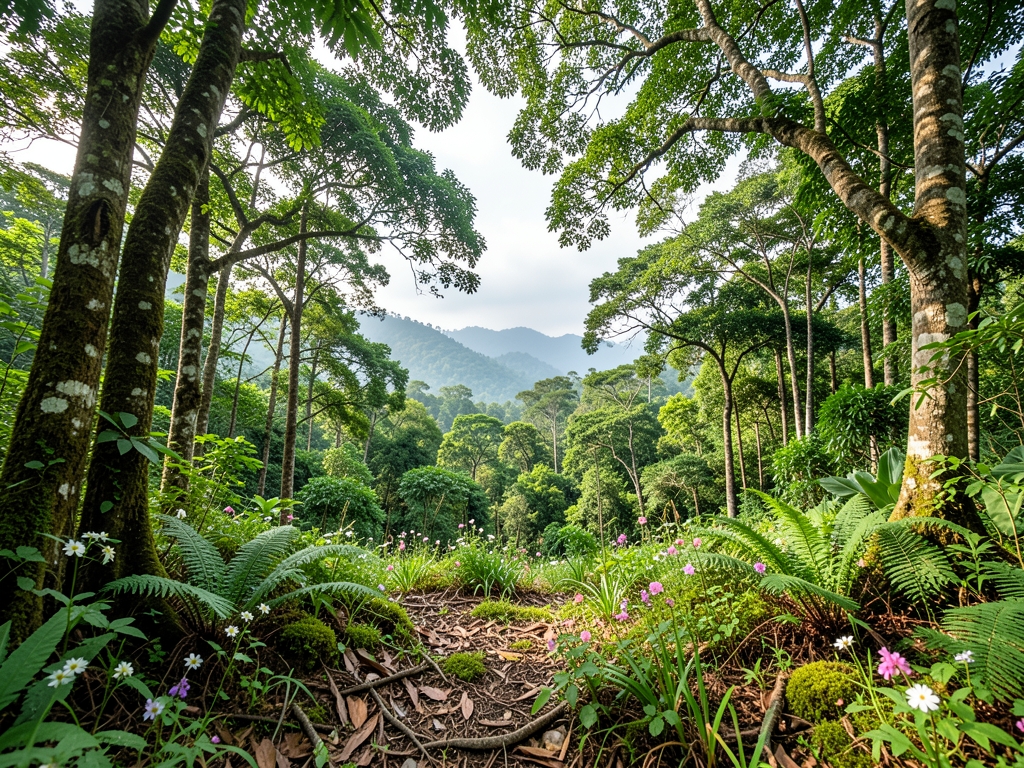
Discovering new plant species within protected and biodiverse regions continues to be a cornerstone of modern botanical research, offering crucial insights into regional ecology, evolutionary biology, and ongoing conservation priorities. Recent field explorations conducted by researchers in Assam’s renowned Manas National Park have successfully identified a previously undocumented flowering plant species. This discovery underscores the extraordinary ecological richness of northeastern India while simultaneously emphasizing the urgent necessity of rigorous habitat preservation. As scientists race against environmental pressures and climate shifts to catalog Earth's remaining flora, findings of this nature highlight how much of the natural world remains poorly understood by formal science.
The Ecological Significance of Assam's Manas National Park
Located in the Himalayan foothills in the state of Assam, Manas National Park is globally celebrated for its diverse landscapes, ranging from grassland and tropical evergreen forests to dramatic riverine corridors. Recognized as a UNESCO World Heritage Site, a Project Tiger reserve, and an elephant reserve, the park supports a magnificent array of rare and endangered wildlife. However, the park's value extends far beyond its charismatic mammalian fauna; its complex botanical tapestry forms the foundational habitat that sustains the entire ecosystem.
The discovery of a new flowering plant species within such a heavily studied and protected sanctuary demonstrates that intricate biodiversity often hides in plain sight. Botanists conducting floristic surveys must navigate dense foliage, seasonal monsoonal shifts, and challenging terrain to document flora that may be restricted to highly localized microclimates. These narrow endemic species—plants found exclusively within a very limited geographic area—are particularly sensitive to subtle alterations in moisture, soil composition, and canopy cover.
Methodology Behind Botanical Discovery and Identification
Uncovering a new plant species is a meticulous, multi-step scientific process that begins in the field and concludes in herbariums and molecular laboratories. When field researchers encounter an unfamiliar specimen during routine ecological monitoring or targeted botanical expeditions, they record detailed morphological characteristics before collecting voucher specimens in strict accordance with conservation permits and international regulations.
| Research Phase | Primary Objective | Key Scientific Methods |
|---|---|---|
| Field Exploration | Discovery and initial collection | Visual surveys, GPS mapping, phenological recording |
| Morphological Analysis | Comparing physical structures | Stereomicroscopy, floral dissection, literature review |
| Taxonomic Verification | Confirming distinct species status | Herbarium comparisons, peer consultation |
| Genetic Sequencing | Assessing evolutionary relationships | DNA barcoding, phylogenetic tree construction |
During the morphological examination, taxonomists scrutinize minute structural details such as petal arrangement, stamen morphology, pollen structure, leaf venation, and trichome distribution. These physical attributes are compared exhaustively against existing type specimens housed in national and international herbariums, as well as historical botanical literature. Subsequently, DNA barcoding techniques are frequently employed to analyze genetic markers, confirming whether the genetic divergence between the newly found plant and its closest known relatives warrants designation as a distinct species.
Biodiversity Hotspots and the Threats Facing Regional Flora
Northeast India is universally recognized as a major global biodiversity hotspot, characterized by high levels of species richness and significant endemism. The convergence of Indian, Indo-Malayan, and Indo-Chinese biogeographical realms creates unique ecological niches that foster rapid speciation. However, these same fragile habitats face mounting pressures from anthropogenic activities, habitat fragmentation, invasive alien species, and shifting climatic patterns.
The formal identification of new plant species in protected sanctuaries serves as both a celebration of natural resilience and a stark reminder of what remains vulnerable to environmental degradation.
While national parks like Manas receive legal protection against large-scale commercial exploitation, peripheral zones remain susceptible to encroachment, illegal logging, and agricultural runoff. Furthermore, changing monsoon timings and rising temperatures alter the delicate phenological triggers that govern when flowering plants germinate, bloom, and set seed. Documenting flora before these pressures lead to localized extinction events is an urgent priority for conservation biologists worldwide.
Implications for Conservation Policy and Local Stewardship
The identification of a new flowering plant species in Manas National Park has direct implications for regional conservation planning. When a new endemic species is formally described, conservation agencies can adjust management zones to better protect critical microhabitats. Furthermore, botanical discoveries reinforce the scientific justification for strengthening anti-poaching patrols, habitat restoration initiatives, and community-based conservation programs.
Info! Local indigenous communities and forest fringe dwellers often possess profound traditional ecological knowledge that complements formal scientific surveys, guiding researchers toward unique microhabitats and seasonal flora.
Engaging local stakeholders in conservation stewardship ensures that protection efforts are sustained over the long term. When communities recognize the unique ecological value of their local flora, they become active participants in safeguarding watersheds and preventing destructive practices such as uncontrolled burning or illegal timber extraction.
Future Directions in Botanical Exploration
Despite centuries of modern botanical exploration, thousands of plant species remain undiscovered globally, particularly in tropical understories, remote mountainous regions, and aquatic ecosystems. The integration of modern technology—such as high-resolution satellite imagery for habitat mapping, automated drone surveys for canopy analysis, and rapid DNA sequencing platforms—is revolutionizing how botanists discover and catalog plant life.
As research teams continue their fieldwork in Assam and across broader ecological corridors, each newly described species adds another vital piece to the vast puzzle of Earth's biological history. Protecting these habitats ensures that future generations will continue to benefit from the ecological stability, medicinal potential, and intrinsic beauty that diverse plant communities provide.
How do researchers confirm a plant species is entirely new?
Researchers combine rigorous morphological examination under microscopes with historical herbarium comparisons and DNA barcoding to ensure the specimen exhibits distinct genetic and physical traits never before documented.
Why is Manas National Park considered a biodiversity hotspot?
Manas National Park sits at the intersection of multiple biogeographical realms in the Himalayan foothills, creating diverse microclimates that support a vast array of unique flora and endangered fauna.
What threats do newly discovered plant species face in the region?
Primary threats include habitat fragmentation, agricultural expansion in peripheral buffer zones, invasive species, and shifting climatic conditions that alter seasonal rainfall and temperature patterns.
How does local community involvement aid botanical conservation?
Local communities provide invaluable traditional ecological knowledge regarding forest habitats, assist in monitoring protected zones, and actively participate in preventing illegal logging and environmental degradation.
Conclusion
The discovery of a new flowering plant species in Assam's Manas National Park is a testament to the enduring richness of natural ecosystems and the dedication of modern field botanists. It emphasizes that continued investment in taxonomic research and habitat protection is essential for understanding and safeguarding global biodiversity. By bridging rigorous scientific investigation with active community stewardship, conservationists can better protect these irreplaceable ecological treasures for the future.
