

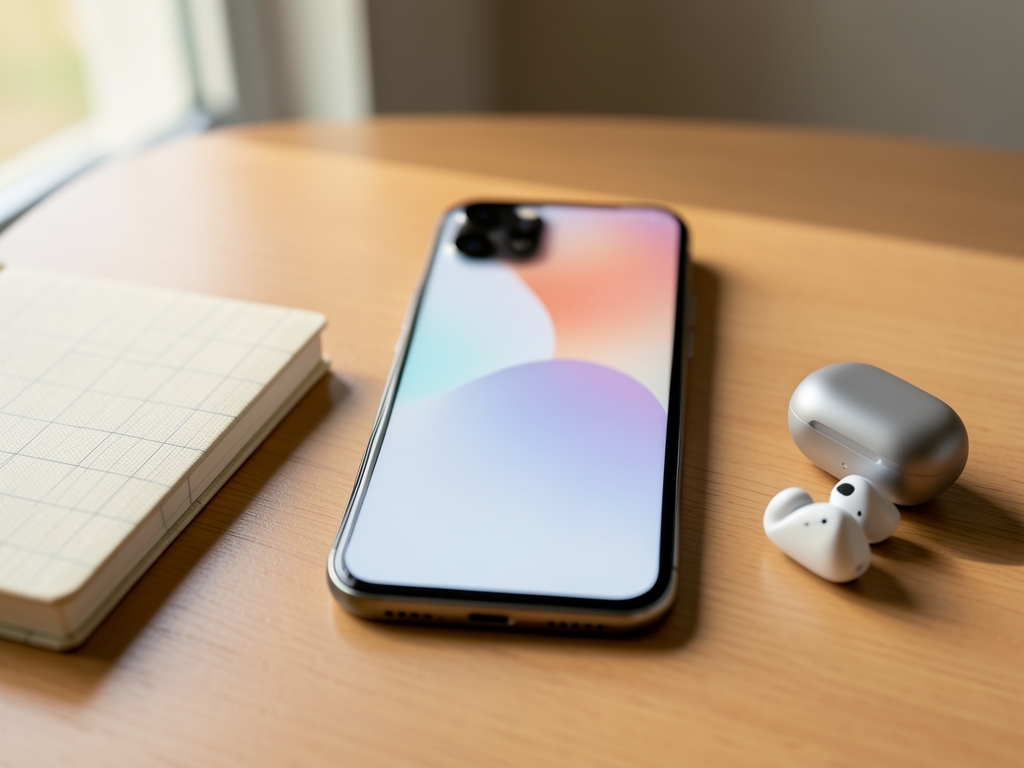
The smartphone market has reached an interesting inflection point where annual incremental upgrades often fail to justify premium launch-day price tags. For budget-conscious consumers and tech enthusiasts alike, the secondary market has transformed from a risky gamble into a sophisticated, highly reliable ecosystem. Among the current crop of pre-owned devices, the refurbished Google Pixel 9 Pro XL stands out as a fascinating proposition. Balancing flagship-tier specifications with substantial depreciation savings, it challenges the necessity of purchasing brand-new hardware upon release. Evaluating whether this device truly represents the pinnacle of value requires a careful look at its underlying silicon, software support window, display technology, and overall real-world endurance.
Understanding the Refurbished Smartphone Market Dynamics
Buying pre-owned or refurbished technology involves more than simply finding the lowest price tag on an online marketplace. Modern certification standards established by reputable retailers and carrier programs ensure that devices undergo rigorous multi-point inspections. These checks typically cover battery health percentage, screen integrity, camera functionality, biometric sensor calibration, and network locking status. When a flagship device like the Pixel enters the secondary market roughly a year or two after its initial commercial debut, buyers benefit from immediate depreciation absorption. The initial adopters shoulder the heavy cost of early ownership, leaving subsequent buyers with nearly identical hardware performance at a significantly reduced capital outlay.
Info! Certified refurbished units often include a limited vendor or manufacturer warranty, offering a crucial layer of consumer protection that casual peer-to-peer marketplaces simply cannot match.
Hardware Engineering and Display Innovations
At the core of the Google Pixel 9 Pro XL lies a refined industrial design characterized by a durable polished aluminum frame and a velvety matte glass rear panel. The physical ergonomics strike a deliberate balance, accommodating a spacious viewing canvas without feeling unwieldy in standard pockets. The display panel itself utilizes advanced LTPO OLED technology, supporting variable refresh rates that dynamically scale down during static reading tasks and surge up to 120Hz during fast-paced scrolling or gaming sessions. This adaptability not only ensures butter-smooth visual fluidity but also plays a critical role in preserving daily battery endurance by eliminating unnecessary power draw.
Visual fidelity in modern mobile devices extends far beyond raw pixel counts. Color accuracy, peak outdoor brightness levels, and HDR performance dictate how comfortably a screen can be viewed under harsh sunlight or during media consumption. The Pixel 9 Pro XL excels in these metric categories, delivering deep contrast ratios and robust luminance output. For buyers exploring refurbished inventory, verifying display authenticity is paramount; replacing an original panel with a low-grade aftermarket alternative can compromise touch sampling rates, biometric fingerprint recognition under glass, and overall color calibration.
Processing Power and On-Device Artificial Intelligence
Performance expectations for high-end smartphones are heavily anchored in multi-core processing efficiency and dedicated neural hardware accelerators. The custom Tensor silicon powering the Pixel series is specifically architected to offload machine learning workloads directly onto local silicon rather than relying entirely on cloud servers. This local processing capability underpins advanced features such as real-time voice transcription, complex computational photography adjustments, offline language translation, and intelligent context-aware assistant features.
Evaluating a pre-owned flagship requires assessing how well its processor will age over a multi-year ownership cycle. While absolute synthetic benchmark scores may be eclipsed by newer chip generations released annually, real-world fluidity depends far more on thermal dissipation management and RAM allocation. The generous memory pool paired with optimized operating system code ensures that multitasking remains seamless. Heavy applications launch swiftly, background services maintain synchronization without aggressive task termination, and thermal throttling remains well-controlled during extended navigation or media recording sessions.
| Evaluation Metric | Brand New Launch Tier | Refurbished Secondary Tier |
|---|---|---|
| Initial Capital Outlay | Full MSRP Pricing | Substantial Discount (20-40% Off) |
| Warranty Protection | Standard Manufacturer Warranty | Certified Retailer or Refurbisher Warranty |
| Software Update Lifespan | Full Extended Support Window | Minor Reduction in Total Remaining Window |
| Accessories & Packaging | Complete Retail Box | Generic Box with Compatible Charging Cable |
Computational Photography and Camera Versatility
Smartphone cameras have largely replaced dedicated consumer point-and-shoot cameras for everyday documentation, travel photography, and family archiving. The camera suite on the Pixel 9 Pro XL relies heavily on computational algorithms rather than purely mechanical sensor size to produce balanced exposures, wide dynamic range, and accurate skin tones across diverse lighting conditions. The primary wide sensor captures exceptional detail in low-light environments through multi-frame stacking techniques, while the telephoto module enables crisp, magnified reach without catastrophic degradation in clarity.
For buyers considering a refurbished unit, the physical camera glass and internal lens stabilization mechanisms warrant careful inspection. Scratched exterior lens elements can introduce severe lens flare or internal reflections when shooting directly toward bright light sources. Ensuring that optical image stabilization (OIS) motors function without audible rattling or jitter guarantees that stabilized video recording and sharp low-res shutter speeds remain uncompromised.
Battery Health, Longevity, and Charging Realities
Battery degradation is arguably the single most critical variable when purchasing any pre-owned electronic device. Lithium-ion cells naturally lose maximum capacity over hundreds of charge cycles, leading to diminished daily runtimes. Reputable refurbished grading standards typically guarantee that installed batteries retain a minimum of 80 percent of their original factory design capacity. Buyers should actively inquire about battery health diagnostics before finalizing a purchase.
Warning! Extremely low-priced refurbished devices frequently conceal degraded batteries that require immediate replacement, effectively neutralizing the initial financial savings.
Beyond physical capacity, software-level battery management plays an essential role in extending hardware longevity. Adaptive charging features learn user routines to delay reaching 100 percent capacity until just before waking up, minimizing chemical stress on the internal cells. Fast-charging protocols generate localized heat, which can accelerate degradation if users consistently game or stream video while pushing high wattage into the device. Adopting healthy charging habits significantly extends the usable lifespan of a second-hand handset.
Software Ecosystem and Long-Term Support Policies
Google has transformed the Android landscape by committing to extended software update windows, promising up to seven years of operating system upgrades, security patches, and feature drops for its flagship devices. This policy fundamentally alters the value proposition for refurbished hardware. Buying a device a year or two after release no longer means entering the twilight of its software lifecycle. Instead, users retain access to cutting-edge security defenses, interface refinements, and new functional capabilities for many years to come.
Security hygiene on pre-owned hardware also demands careful initial setup. Performing a complete factory reset through the official recovery environment ensures that previous user data is securely wiped and any lingering activation locks or enterprise management profiles are permanently cleared. Ensuring the bootloader remains locked and system integrity checks pass successfully protects against unauthorized firmware modifications that could compromise banking apps and personal data security.
Is a refurbished Google Pixel 9 Pro XL safe to buy online?
Yes, provided you purchase from reputable retailers or certified refurbishment programs that offer verified grading standards, return policies, and hardware warranties.
What battery health percentage should I expect in a refurbished phone?
Most certified refurbished grading standards guarantee that the internal battery retains at least 80 percent of its original factory design capacity.
Do refurbished phones still receive official Android updates?
Yes, software update lifespans are tied to the specific hardware model rather than the original purchase date, meaning you enjoy the remainder of Google's long-term support window.
How can I verify that a pre-owned phone is not network locked?
You should check the IMEI number against carrier databases or test your active physical SIM or eSIM card during the initial inspection period upon delivery.
Conclusion and Practical Purchasing Advice
Navigating the modern smartphone landscape requires looking past marketing hype and evaluating practical utility. The refurbished Google Pixel 9 Pro XL demonstrates that premium flagship experiences do not require paying peak retail prices. By combining high-end display hardware, versatile computational photography, robust local AI processing, and an extensive software support commitment, pre-owned flagships offer unmatched economic and functional value. Careful vendor selection, attention to battery health metrics, and adherence to security setup best practices ensure that second-hand tech investments deliver reliable performance for years to come.
