

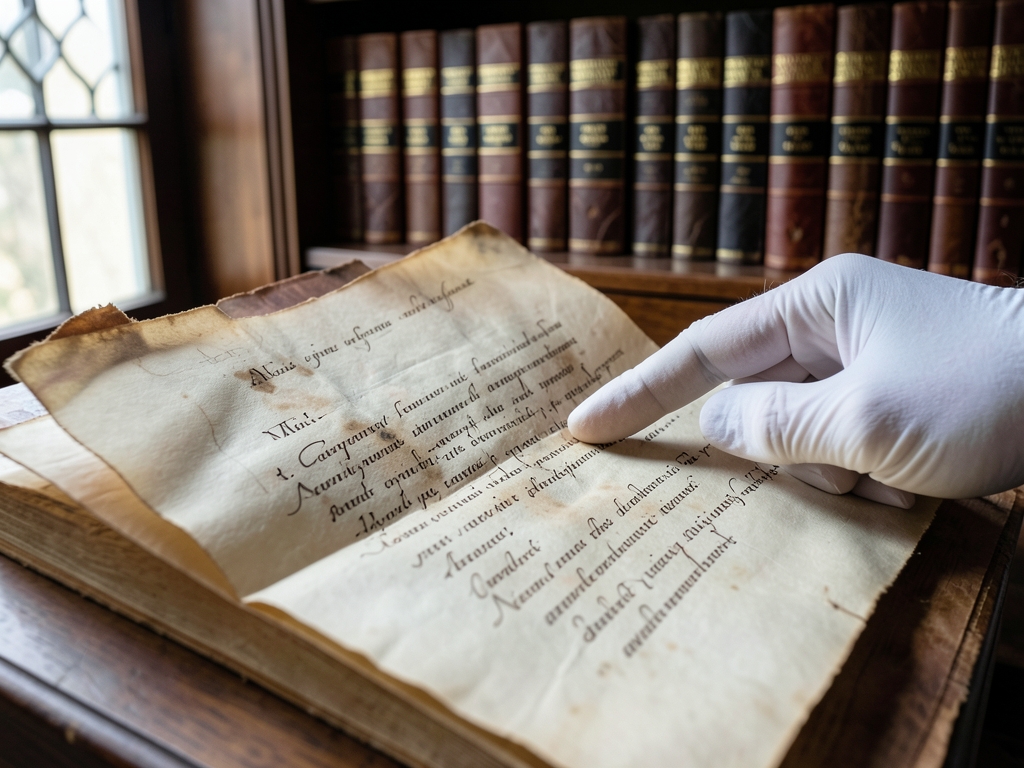
Recent archival digitization initiatives across European municipal and ecclesiastical archives have unlocked a vast trove of previously inaccessible seventeenth-century parish registers. Historians, demographers, and social researchers examining these newly opened digital collections are uncovering unprecedented insights into how rural communities rebuilt their social fabric, economic structures, and family networks following devastating localized plague outbreaks. While traditional historical accounts often relied on aggregate regional tallies or broad national tax rolls, these granular parish-level records provide an intimate look at the everyday survival strategies of ordinary villagers during an era of profound crisis.
The seventeenth century was characterized by continuous climate fluctuations, economic instability, and recurring epidemic waves across Western and Central Europe. For decades, researchers studying this period faced significant hurdles due to the physical degradation, dispersion, and language barriers inherent in handwritten ecclesiastical documents. However, recent collaborative projects involving high-resolution multispectral imaging and advanced optical character recognition specifically tailored for archaic handwriting have made thousands of local baptismal, marriage, and burial registers fully searchable. This technological leap allows modern historians to track individual family lineages and demographic shifts with a level of precision that was previously unattainable.
The Methodological Breakthrough in Archival Digitization
Unlocking the contents of seventeenth-century parish books required innovative methodologies far beyond standard document scanning. The manuscripts, typically written in Latin or vernacular languages using archaic cursive scripts, presented severe reading challenges. Archivists and computer scientists collaborated to develop specialized digital imaging protocols that could penetrate faded ink and damaged parchment without causing physical harm to the delicate original documents.
Multispectral imaging techniques capture light at various wavelengths outside the visible spectrum, allowing researchers to read text that has been obscured by water damage, mold, or intentional redactions. Once captured, neural network models trained on centuries of scribal variations transcribe the text into machine-readable formats. This synergy between historical scholarship and computational technology has transformed dusty, uncatalogued basement archives into dynamic, searchable digital databases accessible to international research teams.
The transition from fragile physical ledgers to searchable digital repositories has fundamentally changed how we reconstruct micro-histories, turning isolated fragments of data into comprehensive narratives of community resilience.
Through these enhanced tools, researchers can now cross-reference individual birth and death certificates against seasonal agricultural yields and local tax assessments. This multi-layered approach reveals direct correlations between nutritional stress, epidemic vulnerability, and recovery rates among different socioeconomic strata within the same rural parish.
Demographic Resilience and Household Restructuring
One of the most striking findings emerging from the newly digitized parish records is the remarkable speed and adaptability of household restructuring in the immediate aftermath of a mortality crisis. Traditional assumptions often suggested that villages plagued by heavy population losses suffered prolonged economic collapse and depopulation. However, the parish data tells a more complex story of rapid adaptation, migration, and family reconstitution.
When a head of household or primary agricultural laborer succumbed to infection, surviving family members rarely abandoned their land permanently. Instead, communal kinship networks immediately mobilized. Records show an unprecedented surge in swift remarriages, often occurring within months of a spouse's death, not merely for emotional companionship, but as an economic survival mechanism to consolidate land holdings and maintain agricultural productivity before planting seasons.
Info! Researchers emphasize that these rapid remarriage patterns were essential for maintaining fiscal solvency and securing orphan care within seventeenth-century agrarian communities.
Furthermore, the data highlights significant inward migration. Depleted villages actively recruited skilled laborers, artisans, and younger farmers from neighboring unaffected regions, offering favorable land tenure agreements to restore local economic output. This fluid movement of populations challenges the long-held notion of early modern European villages as static, insular communities.
Economic Adaptation and Labor Revaluation
Beyond household dynamics, the parish registers provide clear evidence of how labor markets shifted in response to acute demographic shocks. With rural workforces temporarily diminished, surviving laborers frequently gained increased bargaining power regarding wages and crop shares, a phenomenon historically more associated with the aftermath of the fourteenth-century Black Death, but now documented on a micro-scale during seventeenth-century outbreaks.
Landowners and local manorial lords were forced to adapt their operational models. The digitized records show instances of cooperative farming arrangements, temporary suspension of feudal dues, and diversification of crop cultivation to mitigate future food insecurities. These economic adjustments fostered unexpected levels of localized resilience, enabling communities to bounce back faster than macro-economic indicators previously suggested.
| Historical Source Category | Primary Documentation Type | Key Analytical Insight |
|---|---|---|
| Ecclesiastical Registers | Baptism, Marriage, and Burial Lists | Direct tracking of mortality spikes and birth rate rebounds |
| Manorial Court Rolls | Land Transfer and Labor Agreements | Evidence of wage adjustments and property redistribution |
| Tax Assessments | Hearth and Property Inventories | Socioeconomic stratification and recovery disparities |
By analyzing these diverse documentary strands in tandem, historians are constructing detailed demographic models that map out how local economies absorbed shocks and adapted to systemic instability over multi-generational spans.
Implications for Modern Historical Research and Genealogy
The successful digitization and analysis of these seventeenth-century records extend far beyond academic history, offering profound implications for genealogical research and the broader understanding of human adaptability during crises. Amateur genealogists and professional family historians now possess unprecedented access to primary sources that connect modern lineages directly to specific European localities and ancestral events.
Moreover, modern epidemiologists and sociologists are showing keen interest in these historical datasets. By studying how past human populations responded to infectious disease outbreaks, resource scarcity, and social disruption without modern medical interventions, researchers gain valuable comparative perspectives on community resilience, social cohesion, and institutional response mechanisms during global crises.
Warning! Researchers caution that while digital transcriptions offer incredible convenience, automated text recognition can occasionally misinterpret archaic names or irregular spellings, making cross-verification with original manuscript images essential for rigorous historical research.
The ongoing preservation and open-access publication of these historical archives ensure that future generations of scholars and citizens can continue to explore the intricate tapestry of human history with increasing clarity and precision.
What specific records are being digitized in these recent historical initiatives?
Researchers are primarily digitizing seventeenth-century ecclesiastical parish registers, which include handwritten baptismal, marriage, and burial records, alongside complementary manorial court rolls and local tax assessments.
How do modern technologies help read damaged historical manuscripts?
Specialized multispectral imaging captures text obscured by faded ink, mold, or water damage, while advanced optical character recognition models trained on archaic cursive scripts convert the text into searchable digital formats.
What did the newly analyzed parish records reveal about post-plague village recovery?
The records revealed surprising resilience, showing rapid household restructuring, swift remarriages for economic survival, active inward migration, and temporary labor revaluations that helped communities recover faster than previously thought.
Can everyday researchers and genealogists access these newly digitized archives?
Yes, many European municipal and ecclesiastical archives are publishing these searchable digital databases online, enabling genealogists and historians worldwide to trace seventeenth-century lineages and local histories directly.
As archival projects continue to expand across Europe, the ongoing recovery and publication of seventeenth-century documents promise to reshape our historical understanding even further. By bridging the gap between ancient parchment and modern digital analysis, historians are breathing new life into the stories of individuals who weathered the storms of early modern Europe, ensuring their experiences and adaptations are never forgotten.
