

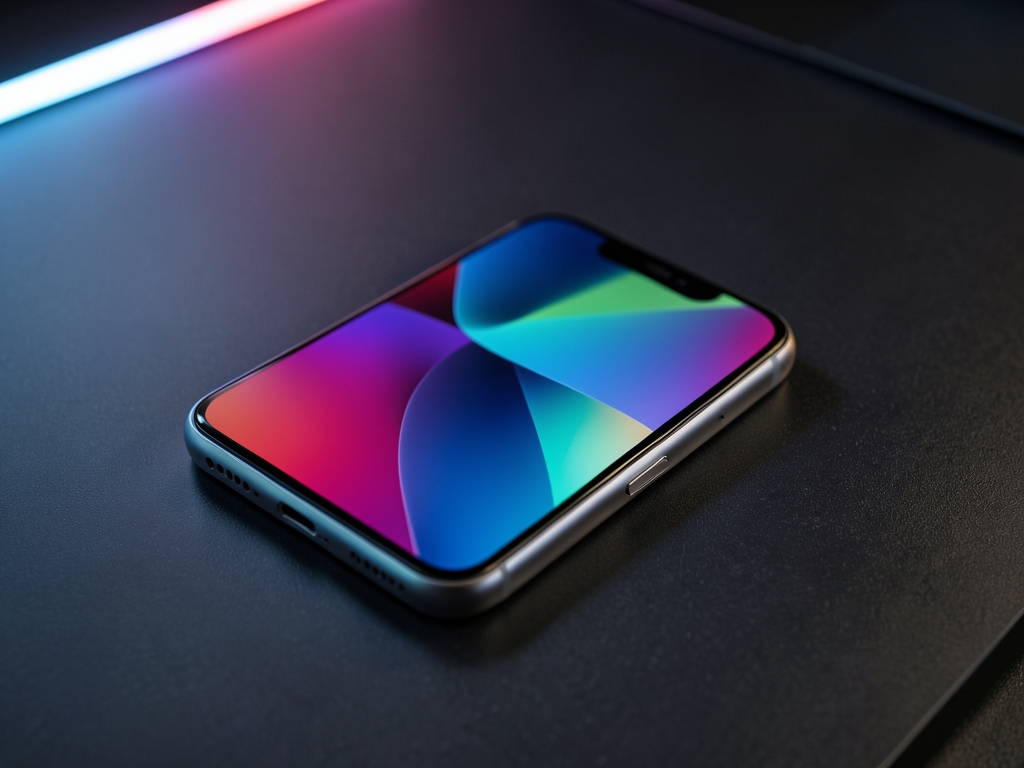
The smartphone industry moves at a relentless pace, and manufacturers continually push the boundaries of processing power, display technology, and industrial design. As mobile technology enthusiasts and consumers across Europe and the United States look ahead to upcoming releases, industry reports and expert summaries offer a detailed glimpse into next-generation flagship devices. Among the most anticipated upcoming announcements is the next major iteration from OnePlus, capturing significant attention for its rumored hardware upgrades, pricing strategy, and advanced engineering specifications.
Understanding what makes a new flagship smartphone stand out requires looking closely at the core components that shape the user experience. From advanced silicon processors and cooling architectures to battery capacity and fast-charging capabilities, modern mobile engineering focuses heavily on sustained performance. This comprehensive breakdown examines the available reports surrounding the upcoming OnePlus flagship, analyzing its potential specifications, pricing tiers, design evolution, and what consumers should realistically expect when the device officially arrives on the global market.
The Evolution of Flagship Smartphone Design and Build Quality
Industrial design plays a crucial role in how a premium smartphone feels and performs in daily use. Modern engineering trends emphasize slimmer bezels, more durable display protection glasses, and refined ergonomic curvatures that make large-screen devices comfortable to hold. Manufacturers also pay meticulous attention to materials, balancing lightweight titanium or aerospace-grade aluminum frames with scratch-resistant ceramic or frosted glass backs.
Reports surrounding the upcoming OnePlus device suggest a continuation of the brand's focus on tactile refinement. Ergonomics remain a primary focus for designers aiming to accommodate larger battery cells without making the chassis excessively thick or heavy. Furthermore, improvements in water and dust resistance ratings ensure that flagship handsets can withstand harsh environmental conditions, providing peace of mind for users who rely on their devices in demanding outdoor scenarios.
Display Innovations: Pushing Refresh Rates and Visual Clarity
Display technology has witnessed extraordinary advancements over recent years, transitioning from standard liquid crystal panels to sophisticated AMOLED and LTPO architectures. These modern display panels dynamically adjust their refresh rates based on the active content on the screen, dropping down to minimal Hz values during static reading and scaling up during high-speed gaming or fast scrolling.
Info! High refresh rate displays not only enhance visual fluidity but also require optimized power management to prevent excessive battery drain during extended usage sessions.
Industry analysts indicate that upcoming top-tier mobile devices will continue to refine peak brightness levels, making outdoor readability exceptional even under direct sunlight. Additionally, PWM dimming improvements help reduce eye strain for users who spend hours interacting with their mobile screens in low-light environments. Color accuracy, HDR certification, and touch sampling rates also continue to see incremental upgrades, ensuring that media consumption and interactive gaming feel exceptionally responsive.
Processing Power, Memory Configurations, and Thermal Management
Under the hood, a modern flagship smartphone relies on cutting-edge system-on-chip architectures built on advanced semiconductor fabrication nodes. These powerful processors integrate specialized neural processing units dedicated to on-device artificial intelligence tasks, machine learning algorithms, and real-time image processing.
- Advanced Processors: Next-generation mobile chipsets deliver significant performance gains while simultaneously improving power efficiency over previous generations.
- Memory and Storage: High-bandwidth LPDDR5X RAM paired with ultra-fast UFS storage standards ensures seamless multitasking and rapid application loading times.
- Cooling Systems: Expanded vapor chambers and multi-layer graphite cooling sheets prevent thermal throttling during intensive gaming sessions or 4K video recording.
These hardware enhancements allow mobile devices to handle demanding software applications without compromising system stability. As mobile operating systems incorporate more advanced AI features, having robust processing hardware and ample RAM ensures the device remains future-proof for years to come.
Camera Systems and Computational Photography Enhancements
Smartphone photography has largely shifted away from relying solely on raw sensor hardware toward sophisticated computational photography algorithms. Multi-lens arrays featuring high-resolution main sensors, ultra-wide fields of view, and periscope telephoto lenses give mobile photographers incredible versatility.
Computational photography bridges the gap between pocket-sized mobile sensors and professional-grade optical equipment by processing multiple exposures instantly to optimize dynamic range, sharpness, and color fidelity.
Reports detailing upcoming camera configurations emphasize improved low-light performance through larger sensor surface areas and advanced noise-reduction algorithms. Video recording capabilities also continue to evolve, with support for higher frame rates, professional color profiles, and advanced stabilization technologies that rival dedicated mirrorless cameras.
Battery Engineering and Charging Speeds
Battery longevity and charging convenience remain among the most critical factors for smartphone buyers. Engineering teams face the persistent challenge of packing larger energy reserves into slim mobile chassis without compromising safety or structural integrity.
| Feature Category | Previous Generation Standards | Upcoming Flagship Expectations |
|---|---|---|
| Battery Capacity | 4,500 mAh - 5,000 mAh | High-density cells exceeding 5,000+ mAh |
| Wired Charging | 80W - 100W Fast Charging | Ultra-fast wired charging capabilities |
| Wireless Charging | Standard Qi Wireless Support | Optimized high-speed magnetic wireless charging |
| Software Optimization | Basic Power Saving Modes | AI-driven battery management algorithms |
These hardware improvements are complemented by intelligent software features that learn user habits to optimize charging cycles, extending the overall lifespan of the internal battery cells over years of daily use.
Pricing Strategies and Global Market Availability
Pricing remains a decisive element for consumers evaluating a smartphone upgrade. Flagship devices must justify their costs through meaningful hardware innovations rather than minor iterative changes. Manufacturers typically structure their pricing tiers based on internal storage configurations and RAM capacities, offering base models for standard users alongside maxed-out variants for power users and enthusiasts.
Geographic availability also plays a vital role. Ensuring competitive pricing across European markets and the United States requires navigating diverse regulatory standards, carrier partnerships, and local distribution channels. As official announcements approach, verified pricing details provide clarity for buyers deciding whether to upgrade immediately or wait for seasonal promotional discounts.
When is the official release date expected for the OnePlus 16?
Official release schedules follow manufacturer announcements and regional rollout timelines, typically targeting major global markets including Europe and North America.
What improvements are expected in the camera system?
Expected upgrades include larger sensor sizes, enhanced low-light photography processing, and advanced video stabilization features powered by upgraded computational algorithms.
Will the new flagship device support faster charging technologies?
Yes, upcoming models generally feature higher-wattage fast charging capabilities alongside intelligent battery health management systems designed to prolong overall cell longevity.
How much can buyers expect the new model to cost?
Pricing structures typically align with competitive flagship tiers, varying depending on chosen storage capacities, RAM configurations, and regional taxes.
Evaluating upcoming smartphone releases requires separating speculative leaks from verified engineering milestones. As manufacturers continue to refine mobile displays, processors, cameras, and battery systems, consumers gain access to increasingly powerful pocket-sized computers. Staying informed through reputable reporting ensures that tech enthusiasts make well-considered purchasing decisions tailored to their specific mobile needs.
