

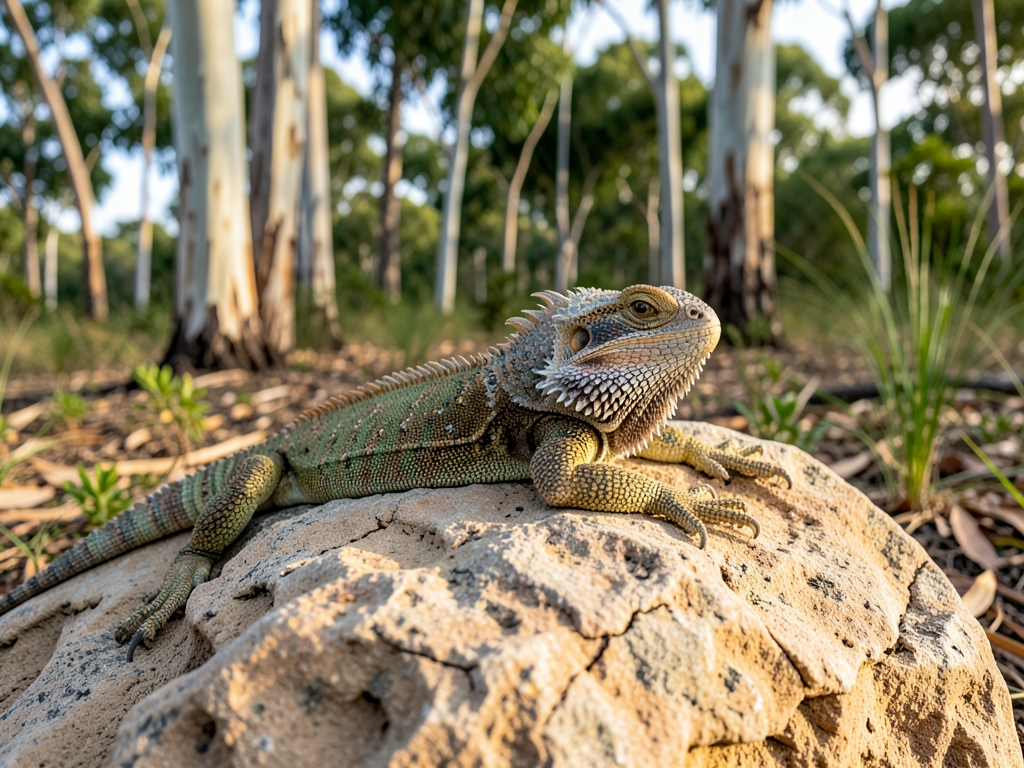
Wildlife populations across the globe face mounting pressures from habitat fragmentation, climate shifts, and introduced predators. However, an increasingly insidious threat is quietly moving through ecosystems: infectious diseases driven by pathogenic fungi. While amphibian populations have suffered catastrophic declines for decades due to chytridiomycosis, researchers and conservation biologists are sounding alarms regarding a parallel crisis unfolding among wild reptiles. Recent scientific findings and wildlife health reports highlight that deadly fungi are actively harming Australia's native reptiles, prompting urgent calls for containment, enhanced surveillance, and targeted management interventions.
Understanding how these pathogens operate, how they spread across unique Australian landscapes, and what conservationists are doing to stop the transmission is critical for safeguarding biodiversity. This comprehensive examination looks at the emerging threat of reptile fungal diseases, the ecological factors driving their dissemination, and the practical measures required to protect vulnerable wild populations.
The Emergence of Fungal Threats in Australian Reptiles
Australia is renowned for its extraordinary reptilian diversity, hosting hundreds of species of snakes, lizards, geckos, skinks, and freshwater turtles found nowhere else on Earth. Many of these species occupy specialized ecological niches, making them particularly sensitive to environmental disruptions. In recent years, wildlife veterinarians and field researchers have documented an alarming rise in fungal infections affecting wild reptiles, ranging from cutaneous mycoses to systemic infections that compromise organ function.
Unlike mammals and birds, which possess complex endothermic regulatory systems and robust immune responses capable of fighting off many external pathogens, reptiles rely heavily on environmental temperatures to modulate their physiological processes, including immunity. When environmental conditions shift or when novel pathogens are introduced into naive populations, native reptiles often lack the evolutionary defenses necessary to withstand aggressive fungal attacks. Pathogens such as certain specialized keratinophilic fungi infiltrate the scales and outer epidermal layers of reptiles, causing severe dermatitis, tissue necrosis, and secondary bacterial infections that can prove fatal if left unchecked.
How Fungal Pathogens Spread Through Wild Ecosystems
The transmission dynamics of wildlife fungal diseases are complex and often exacerbated by human activity. Tracking how these pathogens move across landscapes is essential for designing effective containment protocols. Several key vectors and environmental pathways facilitate the spread of fungal spores among wild reptile communities:
- Direct Animal-to-Animal Contact: Many reptile species congregate during specific seasonal periods, such as brumation (winter dormancy) or mating seasons, facilitating direct transmission of spores through touch or physical combat.
- Contaminated Soil and Substrate: Fungal spores can persist in soil, leaf litter, and rock crevices for extended periods, remaining viable even in the absence of a host animal.
- Human-Mediated Vectors: Researchers, field workers, campers, and illegal wildlife traffickers can inadvertently transport spores on footwear, equipment, vehicle tires, and handling gear between isolated habitats.
- Climatic and Environmental Stressors: Unseasonal rainfall, prolonged droughts, and shifting temperature averages weaken reptile immune systems, rendering them far more susceptible to latent or low-level environmental infections.
Info! Environmental persistence is one of the primary challenges in managing wildlife fungal diseases, as spores can remain dormant in soil for months before encountering a susceptible host.
Clinical Manifestations and Diagnostic Challenges
Identifying fungal infections in wild reptiles presents significant hurdles for field biologists. Unlike captive animals that can be monitored daily, wild reptiles are elusive, and clinical signs of disease are often undetectable until the infection has reached an advanced stage.
Externally, affected reptiles frequently exhibit abnormal shedding patterns (ecdysis), dry or crusty skin lesions, ulcerated scale beds, and discoloration around the head, vent, and limbs. In severe cases, the proliferative fungal growth impairs the animal's ability to shed properly, restricts movement, or interferes with sensory perception. Internally, systemic mycoses can invade respiratory and circulatory systems, leading to lethargy, anorexia, and eventual mortality.
Diagnosing these conditions requires specialized laboratory techniques, including skin scrapings, fungal cultures, histopathology, and polymerase chain reaction (PCR) assays to identify the specific fungal species involved. Because multiple pathogens can produce similar visual symptoms, accurate molecular identification is vital for determining the appropriate conservation response.
Conservation Strategies and Intervention Protocols
Addressing the spread of fungal pathogens among wild reptiles demands a coordinated, multi-faceted approach involving government agencies, research institutions, and conservation organizations. Wildlife managers are actively implementing several key strategies to mitigate the impact of these outbreaks:
- Enhanced Biosafety Protocols: Field researchers and conservationists now adhere to strict hygiene standards, utilizing specialized antifungal disinfectants on footwear, tools, and handling equipment between every site visit.
- Surveillance and Monitoring Networks: Establishing baseline health data across key habitats allows scientists to detect emerging clusters of disease before they escalate into population-level crashes.
- Habitat Protection and Restoration: Preserving unfragmented corridors and natural microhabitats ensures that reptiles can maintain optimal thermoregulation behaviors, which naturally bolster their immune function.
- Quarantine and Rehabilitation Facilities: Injured or infected wild reptiles brought into specialized care facilities receive targeted antifungal treatments before being evaluated for potential return to their native habitats.
Implementing these measures requires sustained financial support, public awareness, and international cooperation, particularly given the transboundary nature of many environmental health threats.
The Broader Ecological Implications
The decline of reptile populations due to infectious disease has ripple effects throughout entire ecosystems. Reptiles play critical dual roles as both predators and prey. Many lizards and snakes help regulate insect and rodent populations, while freshwater turtles serve as vital scavengers and nutrient recyclers in aquatic environments. Furthermore, reptiles form a foundational food web component for numerous birds of prey, mammals, and larger carnivores.
When reptile populations collapse or experience severe demographic bottlenecks, the resulting ecological imbalances can trigger secondary disruptions across plant and animal communities. For instance, an increase in rodent populations due to a decline in predatory snakes can alter seed dispersal and agricultural productivity. Consequently, protecting wild reptiles from emerging fungal pathogens is not merely an act of species preservation; it is a fundamental requirement for maintaining overall ecological stability and ecosystem resilience in a changing world.
Protecting wild reptile populations from emerging infectious diseases requires proactive environmental monitoring, strict biosecurity measures, and a commitment to preserving the natural habitats that sustain native biodiversity.
Practical Guidelines for Conservation Volunteers and Outdoor Enthusiasts
Individuals who spend time in natural habitats can play an active role in preventing the spread of wildlife diseases. Adopting responsible outdoor practices helps minimize the risk of introducing or transferring harmful pathogens between ecosystems:
| Action | Recommended Practice | Purpose |
|---|---|---|
| Equipment Hygiene | Clean and disinfect boots, camping gear, and field tools before and after visiting natural areas. | Prevents the accidental transport of fungal spores and invasive seeds between sites. |
| Wildlife Handling | Avoid touching or handling wild reptiles unless authorized by wildlife permits and trained in safe protocols. | Reduces stress on vulnerable animals and prevents the transfer of pathogens via skin contact or equipment. |
| Habitat Respect | Stay on designated trails and avoid disturbing natural rock piles, logs, and burrows. | Preserves vital microhabitats and basking sites essential for reptile thermoregulation and immunity. |
| Reporting Observations | Document and report sick, dead, or unusually lethargic wildlife to local conservation authorities. | Assists researchers in tracking disease outbreaks and deploying timely containment responses. |
Warning! Never transport wild reptiles between different locations, as this is one of the fastest ways to introduce novel pathogens into isolated, naive animal populations.
What causes fungal infections in wild reptiles?
Fungal infections in wild reptiles are primarily caused by pathogenic keratinophilic fungi that attack the outer epidermal layers and scales, often exacerbated by environmental stress, climate shifts, and weakened immune systems.
How do fungal pathogens spread between different reptile populations?
Pathogens spread through direct animal-to-animal contact during breeding or brumation, via contaminated soil and substrates, and through human-mediated vectors such as unsterilized field equipment and footwear.
What are the clinical signs of fungal disease in reptiles?
Common signs include abnormal shedding patterns, dry or crusty skin lesions, ulcerated scale beds, discoloration around the head and limbs, lethargy, and systemic symptoms affecting respiratory and circulatory functions.
How can outdoor enthusiasts help prevent the spread of wildlife diseases?
Outdoor enthusiasts can help by thoroughly cleaning and disinfecting footwear and gear between trips, staying on designated trails, avoiding the handling of wild animals, and reporting sick wildlife to local conservation authorities.
Safeguarding Australia's wild reptiles from the escalating threat of deadly fungal pathogens demands vigilance, scientific innovation, and proactive conservation management. By understanding the mechanisms of transmission and adhering to rigorous biosecurity and environmental protection practices, researchers and the public alike can help stem the tide of these devastating diseases and ensure the long-term survival of native reptile biodiversity.
