

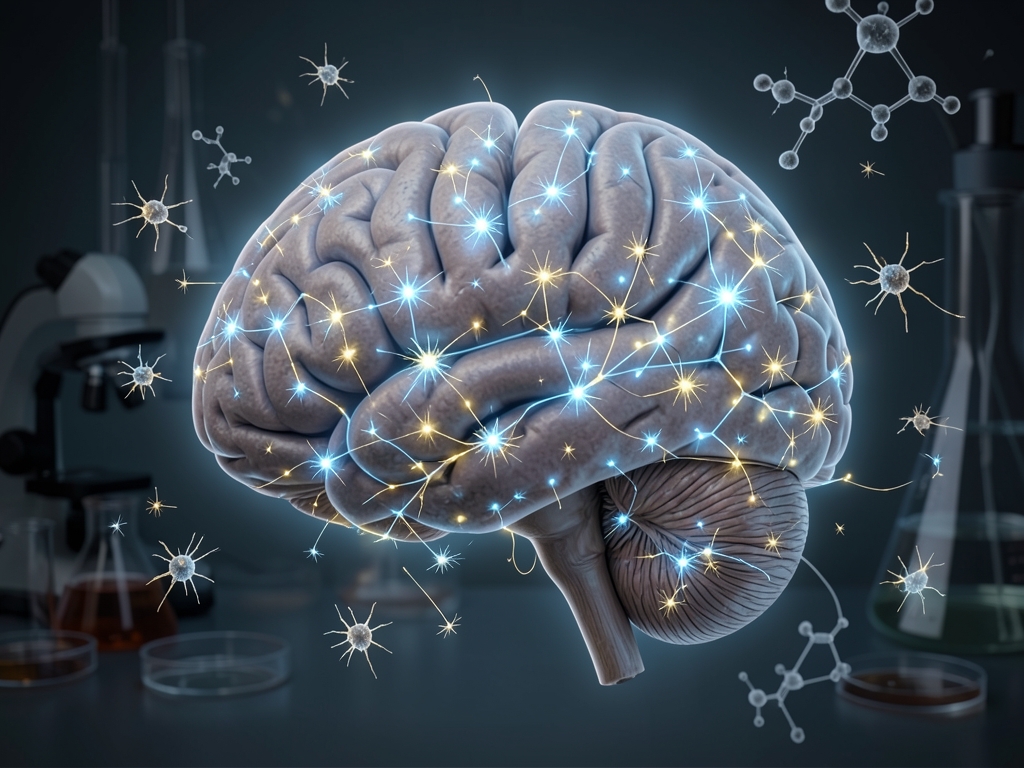
Recent clinical investigations into the lingering neurological impacts of SARS-CoV-2 infection have yielded critical insights into what is commonly known as brain fog or post-acute sequelae of COVID-19 cognitive symptoms. As millions of individuals globally continue to experience persistent executive dysfunction, memory impairment, and concentration difficulties months or even years after initial infection, international research consortia have intensified efforts to map the precise underlying pathophysiology. By combining advanced neuroimaging, cerebrospinal fluid biomarker analysis, and rigorous neuropsychological testing, recent peer-reviewed studies are moving beyond descriptive clinical observations to identify specific physiological disruptions within the central nervous system. These developments are not only validating patient experiences that were once frequently dismissed as purely psychosomatic, but they are also paving the way for targeted clinical trials testing novel therapeutic interventions designed to restore cognitive vitality and neurological health.
Understanding the Biological Mechanisms Behind Post-COVID Cognitive Impairment
To comprehend why certain individuals experience long-lasting cognitive deficits following recovery from acute viral illness, researchers have focused heavily on neuroinflammation and persistent immune dysregulation. Unlike typical viral infections that resolve entirely once the pathogen is cleared from the respiratory tract, SARS-CoV-2 has demonstrated a unique capacity to trigger sustained activation of microglia—the resident immune cells of the brain. When microglial cells remain chronically activated, they release inflammatory cytokines that disrupt normal synaptic pruning, impair neurogenesis in the hippocampus, and compromise the structural integrity of white matter tracts responsible for efficient signal transmission between different brain regions.
Furthermore, recent clinical evaluations utilizing high-resolution functional magnetic resonance imaging have revealed distinct patterns of cerebral hypoperfusion in patients suffering from persistent cognitive symptoms. Blood flow is notably reduced in areas of the frontal lobe and the anterior cingulate cortex, regions critical for working memory, attention regulation, and complex decision-making. This localized oxygen and nutrient deficit forces neurons to function under metabolic stress, contributing directly to the subjective feeling of mental fatigue and slowed processing speed reported by affected individuals. Additionally, researchers are closely investigating the potential role of viral persistence—the hypothesis that microscopic reservoirs of viral RNA or proteins may remain sequestered in tissues such as the gastrointestinal tract or the olfactory bulb, continuously signaling the immune system and perpetuating low-grade systemic inflammation that indirectly impacts central nervous system function.
| Mechanism Category | Primary Observed Pathophysiology | Associated Clinical Symptoms |
|---|---|---|
| Neuroinflammation | Sustained microglial activation and elevated cerebrospinal fluid cytokines | Brain fog, mental fatigue, depressive symptoms |
| Cerebral Hypoperfusion | Reduced blood flow in frontal and anterior cingulate cortices | Impaired working memory, executive dysfunction |
| Endothelial Dysfunction | Microvascular clotting and blood-brain barrier permeability | Headaches, sensory overload, cognitive crashes |
| Viral Persistence | Sequestration of viral antigens triggering chronic immune response | Fluctuating symptom severity, systemic malaise |
Recent Clinical Trial Findings and Diagnostic Breakthroughs
A major hurdle in addressing post-viral cognitive decline has been the lack of objective, standardized diagnostic biomarkers. Traditional cognitive screening tools often fail to capture the subtle, fluctuating deficits experienced by patients who previously functioned at high professional or academic levels. However, recent developments in blood-based biomarker assays are beginning to change clinical practice. Researchers have identified elevated serum levels of neurofilament light chain, glial fibrillary acidic protein, and specific tau protein fragments in subsets of patients with long COVID, offering objective confirmation of ongoing neuronal injury and glial activation.
Info! Objective biomarkers are crucial for distinguishing post-viral neurological syndromes from other causes of cognitive impairment, ensuring patients receive accurate diagnoses and appropriate specialized care.
Concurrently, early-phase clinical trials testing immunomodulatory therapies and targeted antivirals have begun reporting preliminary efficacy data. While large-scale, placebo-controlled trials are still underway, small cohort studies utilizing agents designed to reduce neuroinflammation or improve microvascular endothelial function have shown encouraging trends in cognitive test scores and patient-reported quality-of-life measures. Researchers emphasize, however, that these treatments remain experimental and should only be administered within structured clinical trial environments until definitive safety and efficacy data are published in peer-reviewed medical literature.
Practical Management Strategies and Rehabilitation Approaches
While definitive pharmacological cures are still being evaluated through clinical trials, multidisciplinary rehabilitation clinics have developed structured management protocols to help patients navigate daily life while coping with persistent cognitive deficits. These evidence-based strategies focus on energy conservation, cognitive pacing, and compensatory environmental adjustments to prevent symptom exacerbations often referred to as cognitive crashes or post-exertional malaise.
- Establish a Cognitive Baseline: Work with a qualified neuropsychologist or occupational therapist to identify specific cognitive strengths and weaknesses through formal testing rather than guesswork.
- Implement Pacing Strategies: Break complex mental tasks into shorter, manageable segments interspersed with mandatory rest periods before fatigue sets in.
- Optimize the Environment: Minimize multi-sensory distractions, reduce background noise, and utilize external memory aids such as digital planners and structured checklists.
- Prioritize Restorative Sleep: Address underlying sleep architecture disturbances through proper sleep hygiene, and consult a physician if sleep apnea or insomnia is suspected.
Warning! Avoid aggressive cognitive training regimens or high-intensity aerobic exercise programs that trigger post-exertional malaise, as pushing through neurological fatigue can significantly worsen long-term symptoms.
The Importance of Ongoing Research and Multidisciplinary Care
The complexity of post-COVID cognitive deficits underscores the necessity of a coordinated, multidisciplinary approach to patient care. Neurologists, immunologists, primary care physicians, and rehabilitation specialists must collaborate to evaluate each patient holistically, ruling out alternative etiologies such as thyroid dysfunction, vitamin deficiencies, or chronic sleep disorders. As international research consortia continue to publish findings from longitudinal cohort studies, our understanding of disease trajectories and recovery timelines will continue to refine, offering renewed hope for millions affected worldwide.
What are the primary causes of brain fog associated with long COVID?
Current research indicates that long COVID brain fog is primarily driven by sustained neuroinflammation, microglial activation, localized reductions in cerebral blood flow, blood-brain barrier permeability, and potential viral persistence within tissue reservoirs.
Are there reliable diagnostic tests available for post-viral cognitive deficits?
While standard blood tests cannot diagnose cognitive deficits directly, emerging clinical diagnostics utilize specialized blood biomarkers such as neurofilament light chain and glial fibrillary acidic protein alongside comprehensive neuropsychological evaluations to objectively assess neurological injury.
What treatments are currently being tested in clinical trials?
Active clinical trials are currently evaluating immunomodulatory agents, targeted antivirals, neuroprotective compounds, and specialized endothelial therapies designed to restore vascular health and reduce chronic inflammation in the central nervous system.
How can individuals safely manage cognitive symptoms on a daily basis?
Patients can manage daily symptoms by adopting structured cognitive pacing techniques, breaking tasks into smaller intervals, minimizing sensory overload, using external organizational tools, and strictly avoiding activities that trigger post-exertional malaise.
In conclusion, while the challenge of post-COVID cognitive impairment remains significant, the rapid acceleration of rigorous clinical research provides substantial encouragement. By deciphering the intricate biological pathways linking viral infection to neurological dysfunction, the medical community is steadily moving toward validated diagnostic criteria and effective therapeutic interventions that will ultimately improve outcomes for patients globally.
