

The international sporting calendar features many elite competitions, but few match the raw intensity and national pride of international rugby league. As anticipation builds across the global sporting landscape, fans turn their attention toward the upcoming tournament fixtures, venue allocations, and group structures that will define the pathway to the championship. Organizing a global tournament of this scale requires meticulous planning from governing bodies, host nation organizers, and participating national federations.
Understanding the structure of an international tournament involves analyzing multiple variables, including pool allocations, qualification paths, knockout progression rules, and stadium logistics. For international supporters based in Europe, the United States, and beyond, following the tournament requires a clear understanding of when matches take place, where teams will play, and how the competitive brackets unfold.
Tournament Structure and Group Stage Formats
The foundation of any successful international sporting championship rests upon a balanced and competitive group stage format. In modern rugby league competitions, participating nations are divided into distinct pools designed to test athletic endurance, tactical adaptability, and squad depth. Each team faces round-robin fixtures within their respective group before advancing to the knockout elimination rounds.
Squad selection plays a pivotal role during the group stage. National coaches must manage player workloads across intense weekly fixtures while factoring in potential injuries and recovery windows. Group matches often feature contrasting tactical approaches, pitting traditional rugby league powerhouses against emerging international nations seeking to make their mark on the global stage. These early fixtures establish the momentum required for a deep run into the tournament finals.
Verified Match Fixtures and Competition Venues
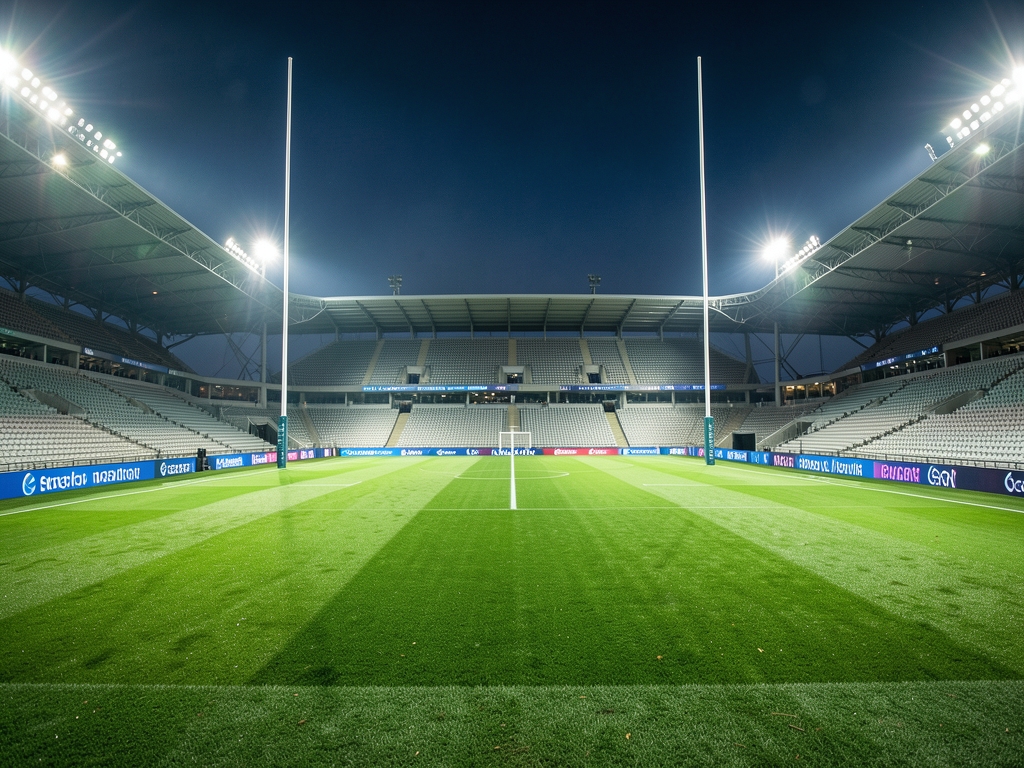
Selecting appropriate host stadiums is a critical logistical achievement for tournament organizers. Modern venues must provide world-class playing surfaces, adequate training facilities for visiting squads, and seamless accessibility for travelling supporters. Matches are scheduled across a diverse selection of host cities, ensuring widespread engagement and vibrant atmosphere throughout the tournament lifecycle.
Info! Official fixture times are adjusted to accommodate local broadcasting requirements while maintaining optimal playing conditions for athletes on the field.
Supporters planning to attend matches or follow broadcasts from home must verify kick-off times relative to their local time zones. Tournament organizers typically release comprehensive schedules months in advance, allowing fans to plan travel itineraries and viewing parties accordingly. Whether attending matches live inside packed stadiums or tuning in through authorized international broadcast partners, following the complete schedule ensures you never miss a pivotal moment.
Tactical Evolution and Squad Preparation
Modern rugby league has evolved significantly in terms of athletic conditioning, defensive organization, and attacking structures. Teams competing on the international stage employ advanced analytical tools to study opponent tendencies, kicking percentages, and defensive line speed. Coaching staffs utilize detailed GPS tracking data and video review sessions to optimize player performance during high-stakes tournament matches.
Physical endurance remains a defining characteristic of international competition. With minimal recovery time between pool fixtures, squad rotation becomes an essential strategy for head coaches. Players must maintain peak physical conditioning through rigorous training regimens encompassing strength development, agility work, and injury prevention protocols. The physical demands placed on forwards and outside backs alike underscore the exceptional athleticism required at the elite international level.
International rugby league showcases the absolute pinnacle of athletic commitment, tactical discipline, and national representation, bringing together the finest players from across the globe in pursuit of ultimate championship glory.
Global Broadcasting and International Fan Engagement
Reaching a truly international audience requires robust distribution networks, comprehensive digital coverage, and accessible viewing options for fans worldwide. Broadcasters across Europe, North America, and the Southern Hemisphere invest heavily in delivering live match coverage, pre-game analysis, and post-match press conferences to millions of households.
Digital platforms also play an integral role in modern sports consumption. Official tournament websites, dedicated mobile applications, and verified social media channels provide real-time updates, video highlights, and interactive fan content. This multi-channel approach ensures that supporters thousands of miles away from the host venues remain fully connected to every tournament development.
| Tournament Phase | Key Activities | Logistical Focus |
|---|---|---|
| Group Stage | Round-robin pool matches | Squad rotation and recovery |
| Quarter-Finals | Single-elimination matches | Tactical refinement and defense |
| Semi-Finals | Elite four showdowns | Mental resilience and execution |
| Grand Final | Championship decider | Peak performance and legacy |
Supporting Emerging Nations in Global Rugby League
Beyond established powerhouses, the long-term growth of international rugby league depends on the continuous development of emerging programs worldwide. International governing bodies allocate resources to grassroots development, coaching education, and competitive exposure for developing rugby nations. These initiatives help bridge the gap between traditional heartlands and expanding regions, fostering a more competitive and inclusive global ecosystem.
Tournaments serve as powerful catalysts for this growth, inspiring the next generation of athletes to pick up a rugby ball and pursue excellence representing their national colors. As more countries invest in domestic leagues and youth development pathways, the standard of international competition continues to rise year after year.
When does the Rugby League World Cup take place?
The tournament schedule spans specific window dates established by international governing bodies, featuring consecutive weeks of pool matches leading into the tournament finals.
Where can international fans watch the matches live?
Matches are broadcast globally through official media rights holders, authorized television networks, and streaming platforms depending on regional availability.
How many teams compete in the group stage?
The tournament features a carefully selected roster of international national teams divided into competitive pools to determine qualification for the knockout rounds.
What venues host the tournament fixtures?
Matches are hosted across internationally accredited stadiums equipped with world-class facilities to support elite athletes and large spectator crowds.
In conclusion, the Rugby League World Cup represents an extraordinary celebration of athletic excellence, cultural exchange, and fierce international competition. By examining confirmed fixtures, tournament structures, venue allocations, and broadcasting options, supporters can fully immerse themselves in the unfolding drama of international sport. Whether you follow a lifelong national team or support the growth of the game globally, the tournament promises unforgettable moments on the field.
