

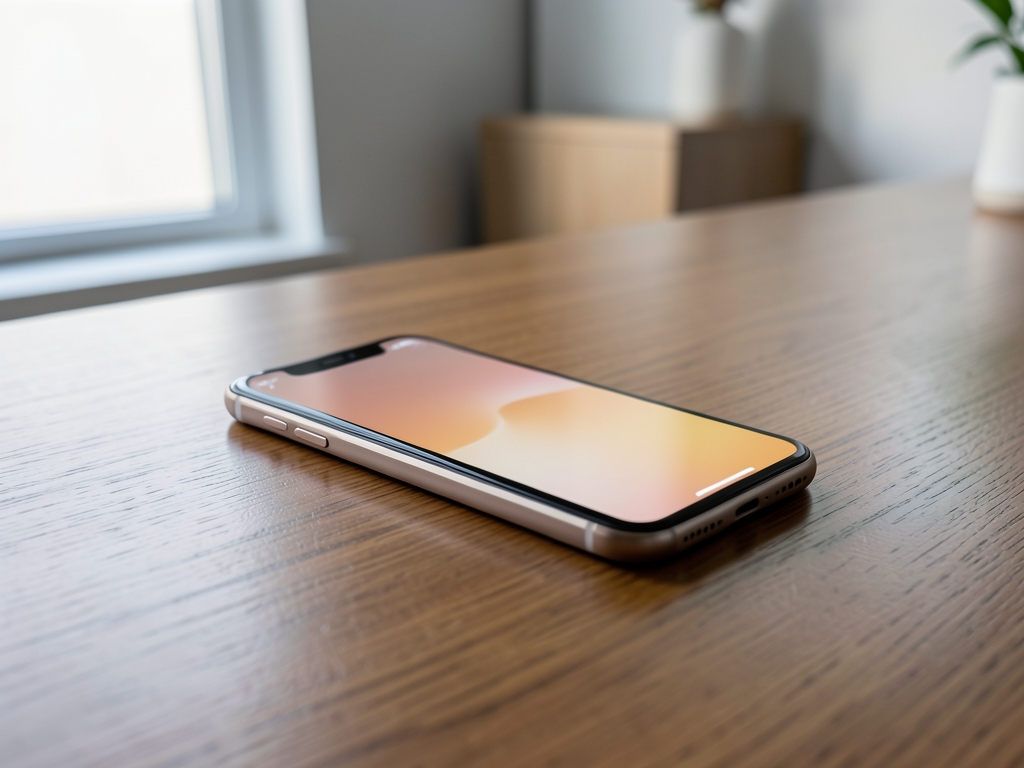
Mobile technology has advanced at a breathtaking pace over the past decade, transforming pocket-sized communicators into powerful computing devices that rival desktop machines. Yet, as screen resolutions increase and refresh rates climb to dizzying heights, a persistent physical challenge continues to affect millions of users worldwide: digital eye strain. Smartphone manufacturers have spent years experimenting with software-based blue light filters, dark modes, and adaptive brightness systems to mitigate discomfort during extended viewing sessions. However, software adjustments alone often fail to solve the underlying physiological fatigue caused by how organic light-emitting diode (OLED) panels emit light and regulate brightness at microscopic levels.
Recent industry reports and engineering insights from hardware supply chains indicate that major manufacturers are finally shifting their focus toward fundamental display engineering. Among these developments, discussions surrounding upcoming hardware iterations—particularly within flagship smartphone lines—highlight a concerted effort to tackle visual fatigue directly at the panel manufacturing stage. By redesigning hardware circuitry, improving dimming frequencies, and refining sub-pixel layouts, engineers aim to deliver a comfortable viewing experience that does not sacrifice color accuracy, peak brightness, or energy efficiency. This comprehensive technical overview examines the causes of OLED-related visual fatigue, the engineering strategies required to fix it, and what these advancements mean for future device buyers.
Understanding Digital Eye Strain and OLED Panel Mechanics
To appreciate why modern flagship displays can cause discomfort, it is necessary to examine the underlying physics of OLED technology. Unlike traditional liquid crystal displays (LCDs) that rely on a single, continuous backlight shining through a color matrix, OLED panels consist of millions of self-illuminating microscopic pixels. Each individual red, green, and blue sub-pixel generates its own light independently. This architecture delivers incredible contrast ratios, perfect blacks, and vibrant color reproduction, making OLED the undisputed standard for premium smartphones, tablets, and wearables.
However, this self-illuminating nature introduces a unique challenge when regulating brightness. Controlling the exact current flowing through millions of microscopic diodes at very low power levels is technically difficult and can lead to color shifting. To bypass this, manufacturers traditionally utilize a technique known as pulse-width modulation (PWM). Instead of maintaining a steady, continuous stream of low current, PWM rapid-fires the pixels on and off at a set frequency to trick the human brain into perceiving a dimmer screen. When the pulse frequency is high, most users notice no adverse effects. When the frequency drops—typically occurring when users lower their screen brightness in dark rooms—the rapid flickering can trigger headaches, dry eyes, and acute visual fatigue.
Pulse-width modulation flickering operates invisibly to the casual glance, yet the human visual cortex and ocular muscles can register rapid micro-fluctuations, accumulating fatigue over hours of daily device usage.
Compounding this hardware limitation is the pervasive presence of high-energy visible blue light. While natural sunlight contains high levels of blue wavelengths that help regulate human circadian rhythms, prolonged evening exposure to artificial blue light suppresses melatonin production and strains the ciliary muscles inside the eye. While software filters tint the display toward warmer yellow hues, they alter color fidelity and frequently fail to address the core physiological strain caused by low-frequency PWM flicker. True progress requires physical hardware redesigns implemented directly within the display driver integrated circuits and emission layers.
Engineering Innovations for Reduced Visual Fatigue
Addressing eye strain at the hardware level requires a multi-pronged engineering approach involving advanced driver ICs, increased dimming modulation rates, and refined organic materials. Over recent product generations, display research and development laboratories have concentrated heavily on eliminating harmful flicker without compromising battery life or visual fidelity. Understanding these structural changes reveals how modern hardware engineering solves complex human-technology friction points.
High-Frequency Pulse-Width Modulation and DC-Like Dimming
The most effective hardware remedy for PWM-induced eye strain is elevating the dimming frequency far beyond the threshold of human biological perception. Traditional OLED panels often operate at low PWM frequencies between 240Hz and 480Hz. Modern display engineering pushes these modulation frequencies well past 1,920Hz, 2,160Hz, or even higher. At these extreme speeds, the flicker cycles happen so rapidly that the human nervous system cannot register them, drastically reducing the incidence of headaches and ocular strain.
In addition to high-frequency PWM, manufacturers are adopting hybrid direct current (DC) dimming solutions. True DC dimming lowers the actual electrical current supplied to the pixels rather than pulsing them on and off. While pure DC dimming at extremely low brightness levels can cause color distortion and uneven tinting, modern hybrid systems maintain DC dimming across normal brightness ranges and intelligently transition to high-frequency PWM only when necessary. This balance preserves color accuracy while protecting the user's vision during nighttime reading.
Advanced Polarizers and Anti-Reflective Coatings
Visual fatigue is rarely caused by the display panel alone; external environmental factors play an equally significant role. Glare, reflections, and harsh ambient light force the user's pupils to constrict and dilate repeatedly, tiring the ocular muscles. Premium device manufacturers are incorporating advanced physical circular polarizers and multi-layer anti-reflective glass coatings that absorb stray ambient light and cut surface glare by up to fifty percent.
By minimizing external reflections, users no longer need to crank their screen brightness to maximum levels just to read text outdoors or under harsh office fluorescent lighting. Operating a display at lower, more comfortable luminance levels naturally preserves battery life while shielding the eyes from excessive photon bombardment. Furthermore, integrated hardware-level hardware blue light reduction layers—embedded directly within the organic emission material matrix rather than applied as a software overlay—filter out peak harmful wavelengths (typically between 415nm and 455nm) while preserving natural white balance and skin tone accuracy.
Evaluating Manufacturer Progress and Industry Standards
The smartphone industry is currently experiencing a profound shift in how consumer health features are prioritized. For years, marketing campaigns focused exclusively on pixel density, peak brightness figures measured in nits, and refresh rates. While these metrics remain important, consumer awareness regarding eye health and ergonomic comfort has forced brands to adopt stringent optical certifications.
Independent testing laboratories and international standardization bodies now evaluate smartphones using rigorous metrics that measure flicker modulation depth, stroboscopic effect visibility, and blue light emission ratios. Devices that meet strict thresholds receive specialized low-blue-light and flicker-free certifications. Major display manufacturers in South Korea and East Asia have restructured their production roadmaps to ensure upcoming flagship panels incorporate these eye-safety standards as baseline requirements rather than optional luxury additions.
Info! Industry safety certifications measure not just static blue light output, but dynamic flicker behavior across the entire brightness adjustment spectrum, ensuring that displays remain comfortable even when used in pitch-black environments.
As these display technologies trickle down from ultra-premium foldable devices and top-tier flagships into more accessible mid-range models, the overall standard of mobile hardware improves for every demographic. Older adults, heavy professional users, and mobile gamers stand to benefit immensely from displays designed with long-term ocular health in mind. The integration of these hardware upgrades represents a mature industry recognizing that user well-being is just as vital as raw processing power or camera versatility.
Practical Tips for Reducing Digital Eye Strain Today
While awaiting widespread hardware upgrades across all device categories, users can implement several evidence-based strategies to protect their vision and minimize discomfort during daily smartphone use:
- Adjust Ambient Lighting: Never use your smartphone in a completely dark room. Maintain a soft, warm ambient light source in your environment to reduce the harsh contrast between your glowing screen and surrounding darkness.
- Enable Built-in Comfort Tools: Activate native hardware reading modes or eye-comfort shields during evening hours to automatically reduce harmful short-wave blue light emissions.
- Follow the 20-20-20 Rule: Every twenty minutes of continuous screen time, look away at an object at least twenty feet away for a minimum of twenty seconds to relax your focusing muscles.
- Increase Text Size and Contrast: Avoid squinting at tiny fonts by scaling up system text sizes and utilizing dark mode interfaces in low-light environments to decrease overall photon emission.
- Keep Screens Clean: Regularly wipe fingerprints and smudges from your display glass to prevent light scattering, which forces your eyes to work harder to resolve sharp text.
| Feature / Technique | Traditional OLED Implementation | Advanced Eye-Comfort Engineering |
|---|---|---|
| Dimming Frequency (PWM) | 240Hz – 480Hz (Visible/Fatiguing) | 1,920Hz – 3,840Hz+ (Imperceptible) |
| Dimming Method | Strict Pulse-Width Modulation | Hybrid DC Dimming & High-Frequency PWM |
| Blue Light Mitigation | Software tint overlay (Alters colors) | Hardware-level material filtration |
| Surface Reflection Control | Standard glossy glass | Multi-layer anti-reflective coatings |
Looking Ahead: The Future of Ergonomic Mobile Displays
The evolution of smartphone display technology proves that innovation extends far beyond raw performance benchmarks. As engineering teams continue to refine organic light-emitting diode architectures, high-frequency dimming, and advanced optical coatings, the barrier between digital engagement and biological comfort continues to shrink. Future devices will likely feature fully adaptive panels that automatically adjust their modulation characteristics based on real-time biometric feedback and ambient sensor readings.
For consumers navigating the vast smartphone market, understanding these underlying display technologies ensures more informed purchasing decisions. Prioritizing devices equipped with advanced eye-comfort engineering protects long-term ocular health without sacrificing the vibrant visual experiences modern mobile computing provides. As manufacturers standardise these safety protocols, eye strain may soon transition from an inevitable byproduct of digital life to a fully solved engineering challenge.
What causes digital eye strain when looking at smartphone screens?
Digital eye strain is primarily caused by a combination of high-energy blue light emissions, glare from surrounding light sources, and low-frequency pulse-width modulation (PWM) used by OLED panels to regulate brightness, which creates rapid, invisible screen flickering.
How does high-frequency PWM help reduce eye fatigue?
High-frequency PWM increases the rate at which pixels turn on and off to thousands of times per second. This rapid cycling is entirely imperceptible to the human visual system, preventing the neurological fatigue and headaches associated with slower traditional flicker rates.
Are software blue light filters enough to protect my eyes?
Software filters help reduce short-wave blue light by shifting display colors toward warmer hues, but they do not fix physical panel flicker or external glare. True visual protection requires a combination of hardware-level dimming improvements and anti-reflective display coatings.
What practical steps can I take immediately to prevent eye strain?
You can protect your eyes by avoiding phone use in pitch-black rooms, maintaining soft ambient lighting, enabling native reading modes, keeping your screen clean of smudges, and following the 20-20-20 rule to rest your ciliary muscles regularly.
Ultimately, the continuous refinement of mobile display technology demonstrates a healthy industry maturation. By addressing physiological comfort alongside resolution and processing power, manufacturers are ensuring that tomorrow's devices are as gentle on human biology as they are powerful in daily capability.
