

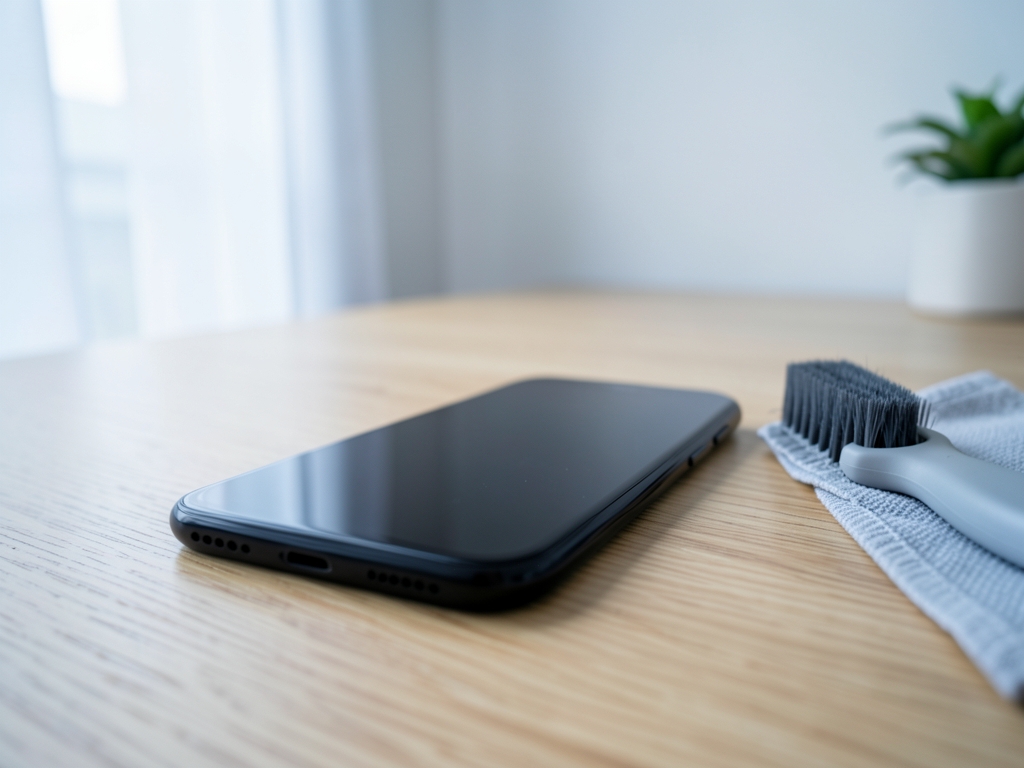
Smartphones have evolved into indispensable centerpieces of modern daily life, handling everything from professional communication and financial transactions to navigation and personal entertainment. Yet, despite commanding premium prices that frequently rival entry-level laptop computers, mobile devices are often treated as disposable commodities that must be replaced every two years. Device manufacturers and carrier upgrade cycles continually encourage consumers to view hardware degradation as an inevitable consequence of aging. However, engineering data and repair diagnostics reveal a vastly different reality: with deliberate care, mindful charging habits, and proactive software maintenance, a modern smartphone can easily function at peak performance for five years or even longer, saving owners hundreds or thousands of dollars.
The financial argument for extending device longevity is compelling. Purchasing a flagship smartphone every twenty-four months represents a continuous, highly inefficient drain on personal finances. When factoring in device depreciation, insurance plans, and accessory repurchases, frequent upgrading costs thousands of dollars per decade. Conversely, adopting structured maintenance routines preserves hardware integrity, protects internal components from premature thermal degradation, and defers major capital expenditures. Beyond immediate financial savings, keeping a device operational for multiple years substantially reduces electronic waste, contributing meaningfully to global sustainability efforts by lowering the demand for rare-earth mining and industrial manufacturing.
Understanding Lithium-Ion Battery Degradation and Prevention
At the center of any discussion regarding smartphone lifespan is the chemical battery. Virtually all modern mobile devices rely on rechargeable lithium-ion cells. These energy-dense power sources are inherently subject to chemical aging, a process driven by charge cycles, operating temperatures, and voltage extremes. A standard lithium-ion battery gradually loses its maximum charge capacity over time, typically experiencing noticeable degradation after a few hundred full charge cycles. However, the rate at which this degradation occurs is heavily influenced by user behavior.
Warning! Exposing your mobile device to prolonged high temperatures while fast charging accelerates chemical aging and can permanently diminish battery capacity in a matter of months.
Heat is the primary enemy of lithium-ion longevity. Internal temperatures exceeding 35 degrees Celsius (95 degrees Fahrenheit) accelerate chemical breakdown within the electrolyte solution, leading to increased internal resistance and reduced capacity. Consequently, practices such as running graphically intensive mobile games while the phone rests on a warm dashboard in direct sunlight, or leaving the device under a pillow while connected to a high-wattage fast charger, impose severe thermal stress. To protect the battery, owners should remove thick protective cases during rapid charging sessions if the device becomes warm, avoid using resource-heavy applications while plugged into power outlets, and keep the phone shaded during warm weather.
Optimizing Charging Habits for Maximum Cell Health
Beyond thermal management, daily charging routines dictate how gracefully a smartphone battery ages. Traditional wisdom once dictated that new batteries required deep discharge cycles, but lithium-ion chemistry operates under entirely different principles. Modern batteries do not possess a memory effect; instead, they experience the least chemical stress when operating within a moderate state-of-charge window rather than constantly fluctuating between zero and one hundred percent.
Implementing smarter charging habits requires only minor adjustments to daily routines:
- Avoid letting the battery level drop below twenty percent regularly, as deep discharges place undue stress on the internal chemistry.
- Disconnect the device once it reaches eighty or eighty-five percent if you do not immediately need maximum field endurance, or utilize built-in manufacturer features like optimized battery charging that pause replenishment overnight.
- Use certified chargers and cables that comply with official USB-IF or manufacturer power delivery specifications to prevent voltage irregularities.
- Remove insulating covers during long charging sessions to ensure adequate heat dissipation across the chassis.
Implementing these simple steps prevents excessive voltage stress on the anode and cathode structures, allowing the battery to retain satisfactory daily endurance for years beyond the typical expiration window.
Software Hygiene and Storage Management
Hardware degradation is only one factor contributing to the perceived obsolescence of older smartphones. Frequently, users feel compelled to upgrade simply because their device has become sluggish, unresponsive, or plagued by erratic application behavior. In the vast majority of cases, this slowdown is not caused by failing silicon processors, but rather by cluttered operating systems, unmanaged background processes, and depleted internal storage.
As mobile applications accumulate data caches and run background telemetry services, system resources become fragmented. Maintaining a swift user experience requires regular software hygiene. Reviewing installed applications and permanently removing utilities that have gone unused for months eliminates hidden background wake-locks that drain processor cycles and battery life. Additionally, keeping internal flash storage from reaching absolute capacity is critical. Solid-state storage controllers require free block space to perform wear leveling and background garbage collection efficiently; filling a drive to its final gigabyte forces the controller to work overtime, resulting in severe input-output bottlenecks that freeze the entire interface.
Treating your smartphone operating system with the same administrative care as a desktop computer ensures that processing efficiency remains high, eliminating the artificial urgency to upgrade due to software sluggishness.
Physical Protection and Structural Integrity
While internal software and chemical health dictate performance, physical accidents abruptly end the operational life of millions of mobile devices each year. Screen fractures, internal display panel damage, and compromised moisture seals render otherwise perfectly functional electronics uneconomical to repair. Investing in robust physical protection is an essential component of a long-term device preservation strategy.
A high-quality protective case that absorbs impact energy around vulnerable corners, paired with a tempered glass screen protector, dramatically reduces the likelihood of catastrophic drop damage. Furthermore, modern smartphones frequently boast sophisticated water-resistance ratings, but these adhesive seals degrade over time due to thermal cycling, chemical exposure from soaps or salt water, and minor impacts. Users should never assume that an older device retains its original factory waterproofing. Avoiding deliberate immersion in swimming pools or shower environments prevents costly liquid ingress damage that instantly bypasses standard manufacturer warranties.
Evaluating Repairability Versus Replacement
When hardware components eventually wear out—such as a battery dropping below seventy percent health or a charging port accumulating physical debris—replacing the entire device is rarely the most rational financial choice. Independent repair shops and authorized service centers routinely offer component-level repairs that restore a device to near-factory condition at a fraction of the cost of a new purchase.
| Maintenance Strategy | Primary Benefit | Estimated Cost Impact |
|---|---|---|
| Battery Replacement | Restores full day-to-day endurance | Low ($50 - $100) |
| Storage Offloading | Eliminates interface stutter | Zero (Free) |
| Thermal Management | Prevents premature cell aging | Zero (Free) |
| Case and Screen Protection | Prevents catastrophic drop damage | Very Low ($20 - $40) |
Replacing a degraded battery after three years of heavy usage breathes new life into a smartphone, instantly resolving unexpected shutdowns and sluggish peak-performance throttling. Similarly, cleaning lint out of recessed USB-C ports with non-conductive tools often restores reliable charging without requiring any replacement parts at all.
How many years can a well-maintained smartphone realistically last?
A modern smartphone can easily last between four to six years with proper battery care, regular software updates, and robust physical protection against drops and moisture.
Does overnight fast charging ruin a phone battery?
Leaving a phone plugged in overnight does not inherently ruin the battery because modern operating systems manage power flow, but enabling optimized charging settings helps minimize prolonged high-voltage stress.
Why does my older phone feel slow even after clearing storage?
Sluggishness can result from accumulated background app processes, outdated operating system caches, or thermal throttling caused by a degraded battery that can no longer supply peak voltage.
Is it worth replacing the battery on a three-year-old phone?
Yes, replacing a degraded battery is significantly cheaper than buying a new device and typically restores both reliable daily battery life and peak system performance.
Ultimately, transitioning away from a disposable upgrade cycle empowers consumers to retain full control over their technology and finances. By adopting mindful thermal habits, optimizing daily charging routines, maintaining clean internal storage, and utilizing prompt component repairs, owners can ensure their mobile devices remain dependable companions for years on end.
