

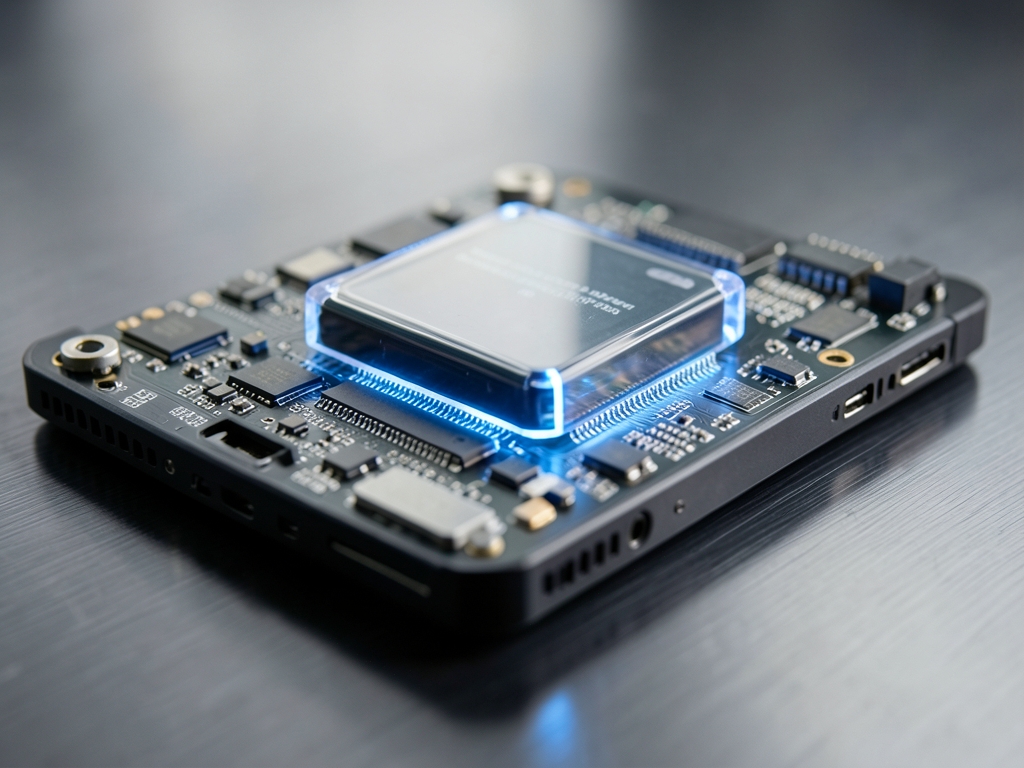
The landscape of mobile computing and consumer electronics stands on the verge of a profound energy transformation. For over a decade, lithium-ion battery technology has served as the undisputed workhorse powering billions of smartphones worldwide. While iterative improvements in chemical compositions, silicon-carbon anodes, and cell packaging have gradually increased daily runtimes, physical limitations remain. Modern mobile processors demand unprecedented peak performance, high-refresh-rate displays drain reserves within hours, and demanding artificial intelligence tasks executed locally push thermal and electrical loads to their limits. Enter solid-state battery technology, a long-discussed engineering marvel that is finally transitioning from experimental laboratory environments to tangible commercial production lines.
Recent announcements from major mobile manufacturers and global component developers indicate that 2026 marks a pivotal turning point. Several tier-one original equipment manufacturers have begun pilot manufacturing runs, testing solid-state and semi-solid-state energy cells within flagship smartphone prototypes. This shift promises not merely incremental gains in battery longevity, but a fundamental redesign of mobile internal architecture, thermal management, and consumer safety standards. Understanding how these innovations operate, which engineering hurdles remain, and what consumers should expect over the coming release cycles requires a detailed examination of current material science and industrial manufacturing realities.
Understanding Solid-State Battery Architecture in Modern Mobile Devices
To appreciate why solid-state cells represent such a significant departure from conventional power sources, one must examine the internal anatomy of standard lithium-ion batteries. Traditional liquid-electrolyte cells utilize a porous polymer separator soaked in a volatile, organic solvent-based liquid to transport lithium ions between the anode and the cathode during charge and discharge cycles. While efficient, this liquid medium introduces notable vulnerabilities. Under extreme physical stress, overcharging, or internal short-circuiting due to manufacturing defects, these liquid electrolytes can experience thermal runaway—a dangerous exothermic chain reaction that leads to swelling, venting, or combustion.
Solid-state batteries replace this flammable liquid or gel electrolyte entirely with a solid ionic conductor. This solid material can be manufactured from various substances, including ceramic compounds, sulfide-based glass, or specialized solid polymers. By substituting the liquid medium with a solid matrix, engineers achieve several immediate advantages:
- Elimination of Flammable Solvents: Without volatile organic liquids, the risk of catastrophic thermal runaway is drastically reduced, enabling safer high-capacity cell designs.
- Dramatic Density Improvements: Solid electrolytes allow the direct use of pure lithium metal anodes, which pack significantly more energy into a fraction of the physical volume.
- Broader Thermal Operating Ranges: Solid-state cells maintain stable ionic conductivity across wider temperature spectra, suffering far less degradation in freezing or extremely hot environments.
- Reduced Cell Thickness: The structural rigidity of solid components permits thinner packaging configurations, freeing up precious internal volume within ultra-slim smartphone chassis.
Despite these compelling benefits, translating laboratory breakthroughs into mass-produced smartphone components has proven exceptionally challenging. Maintaining seamless microscopic contact between solid electrodes and solid electrolytes during thousands of volumetric expansion and contraction cycles remains a formidable metallurgical hurdle. However, recent breakthroughs in interface engineering have largely overcome these obstacles, clearing the path for commercial integration.
Current Industry Landscape and Manufacturer Milestones
The race to commercialize solid-state power is no longer confined to academic institutions. Major global battery conglomerates and device manufacturers have established dedicated fabrication facilities designed to scale production. Companies focusing on semi-solid-state solutions—which utilize a minimal amount of gel or liquid additive to bridge solid interfaces—have already deployed early-generation cells into specialized electric vehicles and high-end industrial gadgets, serving as a vital stepping stone toward fully solid-state architectures.
Info! Semi-solid-state cells currently serve as an interim commercial phase, offering up to 35 percent higher energy density than traditional lithium-ion cells while utilizing existing manufacturing machinery.
For smartphones, the transition requires extreme miniaturization. A battery powering a flagship handheld device must not only achieve high energy density but also withstand thousands of rapid charging cycles without structural fracturing. Recent technical disclosures from leading research consortia highlight successful trials involving sulfide-based solid electrolytes that demonstrate remarkable room-temperature ionic conductivity, rivaling or exceeding that of conventional liquid solutions.
Manufacturers are coordinating closely with mobile system-on-chip architects. As on-device artificial intelligence processing expands, smartphones require burst power delivery that traditional batteries struggle to sustain without voltage sag. Solid-state cells exhibit exceptionally low internal resistance, allowing them to deliver sudden surges of electrical current efficiently. This characteristic prevents unexpected shutdowns during intensive tasks such as real-time language translation, local generative image processing, and high-framerate mobile gaming.
Comparative Performance Analysis: Solid-State vs. Traditional Lithium-Ion
Evaluating the tangible impact of this technology requires direct comparison across key performance metrics that matter most to everyday mobile users and hardware engineers. The table below outlines the theoretical and verified operational differences between conventional lithium-ion cells and emerging solid-state mobile battery configurations.
| Performance Metric | Traditional Lithium-Ion | Advanced Solid-State (2026 Target) |
|---|---|---|
| Energy Density (Wh/L) | 650 - 800 | 950 - 1200+ |
| Thermal Safety Profile | Moderate (Requires complex cooling) | High (Resistant to thermal runaway) |
| Charging Speed Potential | High (With significant heat generation) | Ultra-High (Minimal thermal throttling) |
| Physical Thickness | Standard (Requires safety buffers) | Ultra-Thin (High volumetric efficiency) |
| Lifespan (Cycle Retention) | 800 - 1000 cycles (80% capacity) | 1500+ cycles (Minimal degradation) |
As illustrated in the comparison, the leap in volumetric energy density is the most transformative factor for smartphone design. A battery that occupies twenty percent less physical space while providing thirty percent more charge capacity allows hardware designers to rethink internal layouts entirely. Manufacturers can allocate that saved interior volume toward larger camera sensor assemblies, advanced vapor chamber cooling arrays, or simply engineering thinner, lighter chassis without sacrificing battery endurance.
Engineering Challenges and Mass Production Realities
While the long-term outlook is overwhelmingly positive, consumers and industry analysts must maintain a realistic perspective regarding the rollout timeline. Transitioning global supply chains from mature liquid-electrolyte manufacturing lines to specialized solid-state fabrication facilities demands multi-billion-dollar capital expenditures. Manufacturing solid-state electrolytes often requires ultra-dry cleanroom environments—frequently with dew points below minus forty degrees Celsius—to prevent moisture contamination that ruins reactive components such as lithium metal anodes.
Furthermore, interfacial resistance remains a subject of ongoing optimization. When a battery charges and discharges, the anode material expands and contracts. In liquid batteries, the fluid adapts seamlessly to these microscopic physical shifts. In solid-state designs, rigid interfaces can crack or lose contact over time, leading to capacity loss. Engineers are deploying novel buffer layers, elastic polymer binders, and microscopic nanoscale coatings to ensure structural integrity over thousands of cycles.
The transition to solid-state power sources represents the most significant physical redesign of mobile hardware since the introduction of capacitive multi-touch displays. It is not merely a chemical substitution, but a fundamental evolution in how mobile devices store, manage, and dissipate energy.
What Solid-State Integration Means for Future Smartphone Users
For the average consumer, the arrival of solid-state batteries in commercially available smartphones will translate into several immediate, highly practical benefits. First, battery anxiety will diminish significantly. A smartphone capable of comfortably lasting two full days of heavy usage on a single charge—while maintaining an exceptionally slim profile—will become standard for flagship devices.
Second, charging speeds will experience a quantum leap without the traditional safety penalties. Because solid-state cells do not suffer from the same dendritic growth risks and electrolyte breakdown associated with rapid charging of liquid lithium-ion cells, ultra-fast charging protocols can push power into the device at unprecedented rates. A full charge could conceivably be achieved in under ten minutes without degrading the battery's lifespan or causing the device to become uncomfortably hot in the user's hand.
Finally, device longevity will improve dramatically. Battery degradation has historically been the primary trigger forcing consumers to replace otherwise functional smartphones. With solid-state cells retaining high capacity well past fifteen hundred charge cycles, secondary markets and device trade-in values will strengthen, promoting more sustainable consumer electronics lifecycles.
When will commercial solid-state batteries be available in mainstream smartphones?
Initial commercial integration began with limited pilot production runs and ultra-premium flagship prototypes. Widespread availability in commercial flagship smartphones across global markets is expected to scale progressively through late 2026 and into 2027 as manufacturing yields improve.
Are solid-state batteries completely explosion-proof?
While they are not entirely immune to physical damage under extreme abuse, solid-state batteries lack volatile liquid organic solvents. This dramatically eliminates the primary cause of thermal runaway, making them exceptionally safer than traditional lithium-ion cells.
Will solid-state batteries make future smartphones much lighter and thinner?
Yes. Because solid-state cells pack significantly higher energy density into a smaller volume and require less intensive safety buffering structures, manufacturers can engineer much thinner device profiles or utilize that reclaimed internal space for larger cameras and cooling systems.
How do solid-state batteries handle extreme weather conditions?
Solid-state electrolytes maintain stable ionic conductivity across much broader temperature ranges compared to liquid electrolytes. This means mobile devices will suffer far less sudden battery drain and performance throttling when operated in freezing winter conditions or intense summer heat.
Conclusion: A New Era for Mobile Engineering
The transition toward solid-state battery technology in smartphones represents a monumental milestone in consumer electronics engineering. By resolving the inherent safety, volumetric, and thermal limitations of traditional liquid-electrolyte systems, manufacturers are laying the groundwork for the next generation of intelligent mobile hardware. As pilot production lines mature and supply chains adapt throughout 2026, consumers can look forward to safer, longer-lasting, and remarkably powerful mobile devices that redefine what pocket-sized computing can achieve.
