

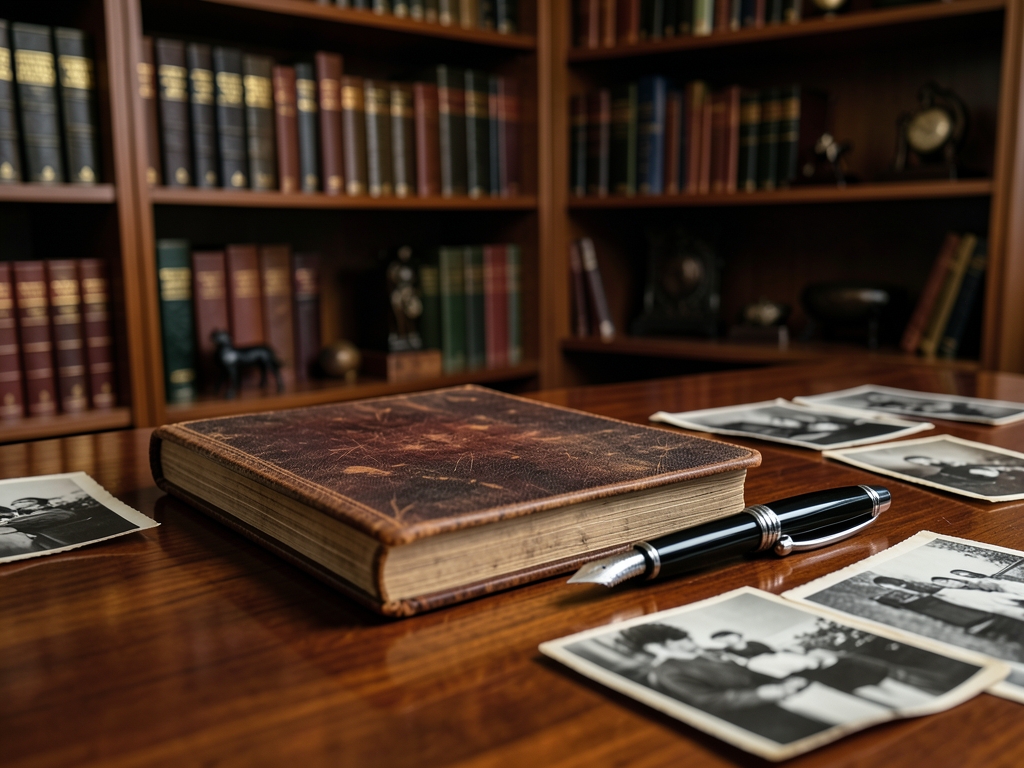
History is continuously rewritten not only through grand military campaigns and political treaties, but also through the quiet, ordinary acts of courageous individuals whose stories remain buried in archives for decades. Eighty years after the turbulent conclusion of the Second World War, a remarkable historical discovery has brought new light to a forgotten humanitarian effort in East Asia. The recent resurfacing of a lost wartime diary has revealed intimate details about a German national who quietly risked everything to save Jewish refugees seeking shelter in wartime Japan.
While historical narratives often focus on well-documented rescue figures like Oskar Schindler or Chiune Sugihara, the newly recovered personal journal expands our understanding of the complex network of diplomats, expatriates, and ordinary citizens who operated quietly behind the scenes. This comprehensive exploration examines the historical context of Jewish refugees in wartime Asia, the significance of the newly surfaced diary, and the enduring legacy of those who chose humanity over compliance.
The Geopolitical Landscape of Wartime East Asia
To understand the magnitude of these rescue operations, one must examine the precarious position of Jewish refugees during the late 1930s and early 1940s. Following the rise of the Nazi regime in Germany and the expansion of the Axis powers across Europe, millions of people faced systemic persecution and sought viable escape routes across the globe.
While many nations closed their borders, the port city of Kobe in Japan and various settlements in Japanese-occupied territories became unlikely havens. Due to complex diplomatic dynamics between Imperial Japan and Nazi Germany, Jewish refugees who managed to secure transit visas—often issued by courageous foreign diplomats—found a temporary refuge thousands of miles away from the European theater.
However, life for these refugees in Japan was far from secure. They lived under constant surveillance by Japanese military authorities, faced severe economic restrictions, and worried constantly about shifting geopolitical alliances. It was within this tense environment that sympathetic foreign expatriates operated, offering vital aid, forged documents, financial support, and moral encouragement.
The Discovery of the 80-Year-Old Diary
The recent public revelation centered around a personal diary kept by a German expatriate living in Japan during the war years. Long presumed lost or destroyed during the chaotic postwar repatriation of foreign nationals, the manuscript resurfaced through family archives and was subsequently examined by historians and archival researchers.
The diary provides a rare, firsthand account of daily life in wartime Japan from the perspective of a German citizen who openly opposed Nazi ideology. Unlike official diplomatic dispatches or military reports, the journal captures the emotional toll, the constant fear of discovery by Gestapo agents operating abroad, and the meticulous clandestine planning required to assist desperate families.
Researchers have highlighted several key elements contained within the newly surfaced pages:
- Detailed logs of financial transactions used to purchase food and medicine for destitute refugees.
- Accounts of secret meetings with foreign diplomats and religious leaders coordinating escape routes.
- Personal reflections on the moral duty of individuals living under totalitarian regimes.
- Descriptions of the precarious social standing of German expatriates who refused to join the Nazi party overseas.
Expanding the Historiography of Rescue
Historians emphasize that the value of this newly unearthed diary lies in its ability to fill critical gaps in the historical record. Official government documents from the era frequently sanitized or omitted unauthorized rescue efforts to protect diplomatic relations or maintain domestic security. Personal diaries offer an unfiltered glimpse into the grassroots networks that sustained vulnerable populations.
The discovery aligns with a broader trend in modern historical research: the digitization and recovery of private papers that humanize major global conflicts. By shifting focus from macro-level state actions to individual moral choices, researchers gain a deeper appreciation of the quiet resistance movements that persisted across the globe.
The rediscovery of personal wartime testimonies reminds us that even within the darkest historical chapters, individual conscience can pierce through institutional tyranny.
Challenges in Archival Preservation and Verification
Authenticating documents that surface decades after an event requires rigorous academic scrutiny. Archivists and historians employ a multidisciplinary approach to verify the authenticity of such manuscripts:
- Material Analysis: Examining the paper quality, ink composition, and binding materials to match the purported manufacturing standards of the 1940s.
- Handwriting Verification: Comparing the script against known correspondence, passport applications, and employment records from the era.
- Cross-Referencing: Matching dates, locations, and named individuals against verified police records, shipping manifests, and consular logs.
Info! Archival verification processes often take months or years of collaborative work between international institutions before a newly discovered document is officially integrated into public research collections.
The Broader Impact on Historical Education
The resurfacing of this diary serves an important educational purpose. In an era where direct living witnesses to the Second World War are rapidly diminishing, primary source documents become the primary bridge between modern students and historical reality.
Educators utilizing these newly available records can construct more nuanced classroom discussions about complicity, dissent, and rescue. Rather than presenting history as a binary struggle between entirely good or entirely evil institutions, such discoveries humanize the past by showcasing ordinary people navigating impossible moral dilemmas.
What does the newly surfaced diary reveal about wartime Japan?
The diary provides firsthand accounts of a German expatriate's clandestine efforts to support Jewish refugees in Japan, detailing financial aid, secret meetings, and the constant threat of surveillance by Axis authorities.
Why were Jewish refugees able to find refuge in Japan during World War II?
Despite being allied with Nazi Germany, Imperial Japan permitted certain groups of refugees holding valid transit visas to reside temporarily in Kobe and other cities, though they faced strict surveillance and severe restrictions.
How do historians verify the authenticity of documents found 80 years later?
Historians authenticate old manuscripts through material analysis of paper and ink, handwriting comparison against known records, and cross-referencing named events with official consular logs and shipping manifests.
Why are personal diaries considered crucial for modern historical research?
Unlike official government reports that may omit unauthorized actions, personal journals offer unfiltered insights into grassroots humanitarian efforts and humanize macro-level historical events.
As archives continue to digitize and private families unearth ancestral papers, discoveries like this remind us that history is never fully written. Every recovered letter, photograph, and diary page adds vital pieces to the intricate mosaic of our collective human story, ensuring that those who acted with quiet courage are never truly forgotten.
