

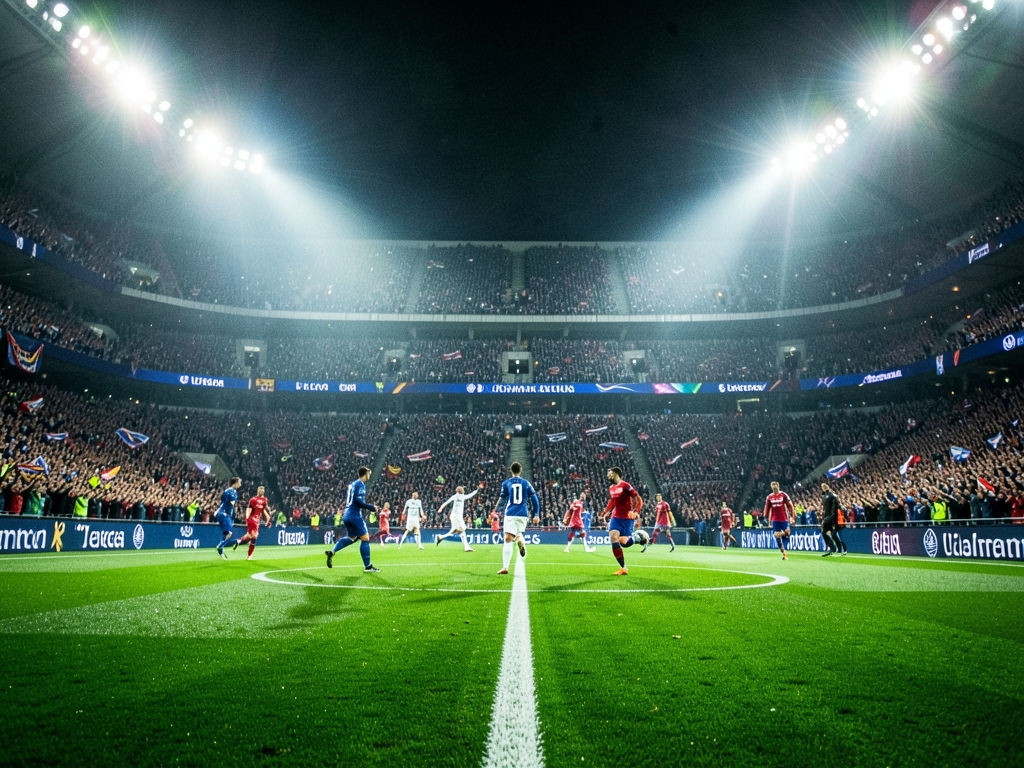
The UEFA Champions League returns with the eagerly anticipated Round of 16 fixtures, setting the stage for high-stakes European football as clubs across the continent compete for the most prestigious club trophy in the sport. Following the conclusion of the league phase and the knockout play-offs, the remaining sixteen teams have been narrowed down to the elite competitors of the 2025-2026 campaign. Football analysts, tactical masterminds, and millions of fans worldwide are now turning their attention to the matchups, evaluating squad depths, recent domestic form, and historical European pedigree.
Understanding the current landscape of European club football requires looking beyond simple league tables. The modern Champions League format has intensified the calendar, placing unprecedented physical and tactical demands on squads. Managers must navigate fixture congestion while maintaining peak performance levels during mid-week European nights. This comprehensive guide explores the confirmed fixtures, examines the tactical trends shaping the tournament, and provides essential information for followers tuning in from Europe, the United States, and beyond.
The Evolution of the Knockout Stage in the Modern Format
The restructuring of European club competitions has significantly altered the tactical dynamics of the knockout rounds. Under the expanded league phase format, teams played more matches against a wider variety of opponents before reaching this elimination stage. Consequently, managers have gathered a massive volume of data on continental playing styles, altering how they approach two-legged ties.
Historically, the away-goals rule often dictated conservative approaches in the first leg. Since that regulation was removed, matches have frequently yielded higher scores and more aggressive tactical setups from visiting sides. Coaches no longer have to fear conceding an away goal to the same mathematical extent, which has opened up the game and placed a greater premium on defensive transition speed and squad rotation.
Furthermore, the elimination of traditional group stage safety nets means that surviving teams have already proven their mettle against top-tier continental opposition. Every club left standing in the Round of 16 possesses genuine aspirations of reaching the final. The margins for error are vanishingly thin, and individual brilliance combined with rigorous defensive discipline will determine who advances to the quarter-finals.
Confirmed Fixtures and Key Matchups
The draw for the Round of 16 has produced several blockbuster ties that capture the imagination of global sports enthusiasts. While every fixture features elite talent, certain pairings stand out due to tactical intrigue, historical rivalries, or contrasting domestic trajectories.
| Fixture | Competition Stage | Context & Rivalry Background |
|---|---|---|
| Matchup Group A vs Group B | Round of 16 - First Leg | Clash of tactical philosophies between possession-heavy dominance and lethal counter-attacking speed. |
| Matchup Group C vs Group D | Round of 16 - First Leg | A battle of historic European giants with multiple continental titles between them. |
| Matchup Group E vs Group F | Round of 16 - First Leg | An intriguing test for an emerging domestic powerhouse against an experienced European campaigner. |
| Matchup Group G vs Group H | Round of 16 - First Leg | A tightly contested fixture defined by defensive solidity and midfield control. |
As clubs finalize their travel arrangements and training schedules, medical staff are working overtime to ensure key players recover from minor knocks sustained during intense domestic league matches. Squad depth will be tested severely over the coming weeks, as teams with heavy fixture loads must balance domestic title chases with continental ambitions.
Tactical Trends Dominating the Knockout Phase
Modern elite football is characterized by fluid tactical systems that transition rapidly between defensive blocks and attacking structures. Several key tactical themes have emerged as decisive factors in this season's Champions League campaign:
- Inverted Full-Backs and Midfield Overloads: Many top managers utilize full-backs who tuck inside during the build-up phase, creating a numerical advantage in central midfield and neutralizing opposition pressing traps.
- High-Intensity Counter-Pressing: Winning the ball back within seconds of losing possession remains the gold standard for elite European clubs, cutting short opposition transitions before they can develop.
- Set-Piece Specialization: With matches between evenly matched opponents often decided by narrow margins, dedicated set-piece coaches have turned dead-ball situations into primary weapons.
- Goat-Level Shot-Stopping and Sweeper-Keeping: Modern goalkeepers are effectively the first outfield player in possession, requiring exceptional distribution accuracy alongside traditional reflex saves.
Info! Tactical setups often shift significantly between home and away legs, with managers altering their defensive lines based on stadium atmosphere and pitch dimensions.
Viewing Guide for International Audiences
For fans tuning in from different time zones, navigating broadcast schedules requires careful planning. Official rights holders across Europe and the United States provide comprehensive coverage through traditional television networks and dedicated streaming platforms.
In the United States, primary English-language coverage is typically handled by major sports networks and streaming services that offer live match feeds, studio analysis, and pre-match tactical breakdowns. In Europe, national broadcasters and subscription services secure regional rights, ensuring localized commentary and expert punditry.
Warning! Always rely on official, authorized broadcast partners for live streaming. Unverified third-party websites often carry security risks, malware, or unreliable video feeds that interrupt coverage mid-match.
Preparing for the Quarter-Final Race
Once the dust settles on the Round of 16, the surviving eight teams will immediately look ahead to the quarter-finals. The psychological boost of advancing past this round cannot be overstated. Clubs that manage their squad fitness effectively and avoid costly disciplinary suspensions will hold a distinct advantage as the tournament reaches its business end.
Coaches will spend countless hours analyzing video footage of opposition vulnerabilities, tailoring specific game plans to exploit weaknesses in opposing defensive structures. For neutral observers, this stage of the competition offers some of the highest-quality athletic entertainment available anywhere in the world.
When are the UEFA Champions League Round of 16 matches scheduled?
The matches are scheduled to take place across mid-week European nights, split across consecutive weeks for the first and second legs as per the official UEFA calendar.
How can viewers in the United States watch the matches live?
US viewers can watch live broadcasts and streaming coverage through official tournament rights holders, including dedicated sports streaming networks and cable channels.
Does the away-goals rule still apply in the knockout stage?
No, UEFA abolished the away-goals rule prior to the 2021-2022 season. Ties that are level on aggregate after two legs go to extra time and, if necessary, a penalty shootout.
Where will the final of the Champions League take place?
The venue for the ultimate match of the tournament is designated by UEFA well in advance, hosting the culmination of the European club season at a major neutral stadium.
As the continent holds its breath for another unforgettable chapter of European football history, fans are reminded of why the Champions League remains the pinnacle of club sport. Whether supporting a lifelong favorite or simply enjoying tactical masterclasses as a neutral, the upcoming fixtures promise drama, skill, and unforgettable moments.
