

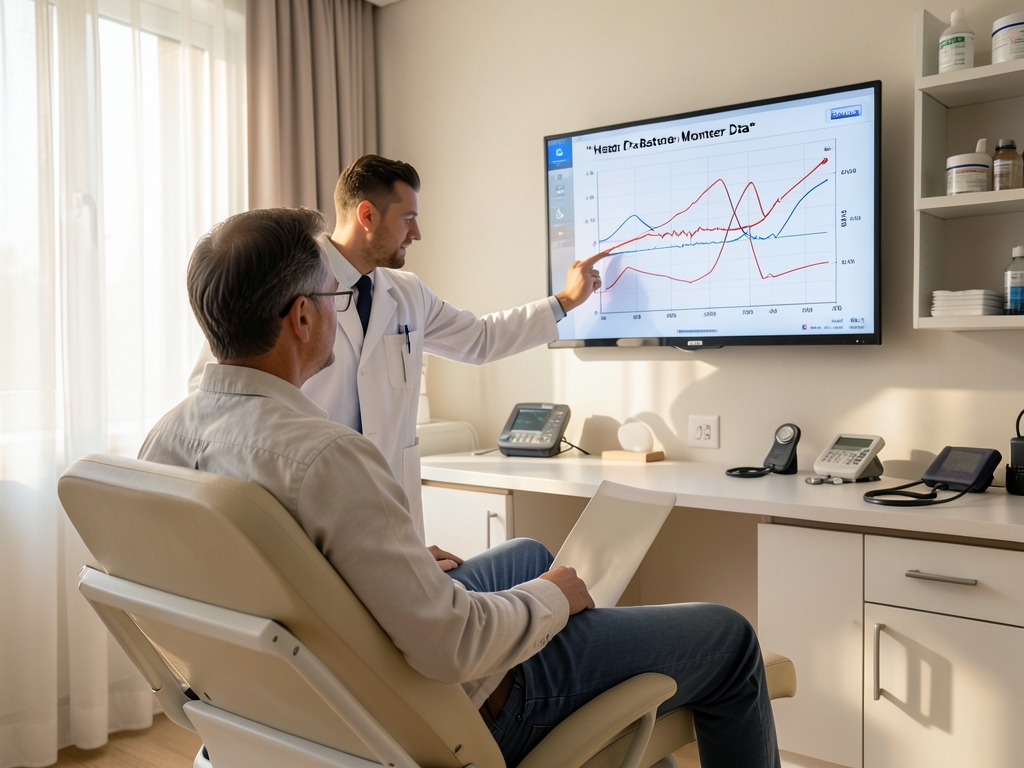
Understanding complex chronic health conditions often requires looking beyond common symptoms to examine how multiple bodily systems interact. One such condition that has gained significant medical recognition and diagnostic clarity over recent years is Postural Orthostatic Tachycardia Syndrome, commonly abbreviated as POTS. This form of dysautonomia affects the autonomic nervous system, which regulates involuntary bodily functions including heart rate, blood pressure, digestion, and body temperature. For individuals living with POTS, the simple act of standing up can trigger a dramatic physiological response that transforms a routine movement into an exhausting daily challenge. Recognizing the intricate mechanisms of this syndrome is essential for improving diagnosis rates, validating patient experiences, and implementing effective management strategies that enhance quality of life.
Info! Postural Orthostatic Tachycardia Syndrome is classified primarily as a disorder of the autonomic nervous system, specifically impacting cardiovascular regulation during posture changes without causing a drop in blood pressure.
Defining Postural Orthostatic Tachycardia Syndrome
At its core, POTS is characterized by a pathological increase in heart rate that occurs when a person transitions from a lying or sitting position to a standing position. In healthy individuals, the autonomic nervous system automatically makes subtle adjustments to blood vessels and heart rate when standing, ensuring that blood continues to flow efficiently to the brain and heart against the pull of gravity. Blood vessels in the lower body constrict, and heart rate increases slightly to compensate for the shift in fluid dynamics.
In contrast, individuals with POTS experience an exaggerated response. Within ten minutes of standing up, their heart rate increases by at least 30 beats per minute, or exceeds 120 beats per minute, typically without a significant drop in systemic blood pressure. This excessive heart rate acceleration occurs because blood pools in the lower extremities due to inadequate blood vessel constriction, forcing the heart to beat faster and harder to maintain adequate blood flow upward. Because the brain temporarily receives less oxygenated blood, a wide array of debilitating symptoms can manifest almost immediately.
Common Symptoms and Clinical Presentation
The clinical presentation of POTS is remarkably diverse, affecting multiple organ systems and varying drastically in severity from person to person. While the hallmark feature is a rapid heart rate upon standing, patients frequently report a constellation of physical manifestations that can significantly disrupt daily routines, academic pursuits, and professional responsibilities.
- Lightheadedness and Dizziness: A persistent sensation of impending fainting, particularly when standing in lines, taking warm showers, or rising quickly in the morning.
- Chronic Fatigue: An overwhelming, profound exhaustion that is not relieved by standard sleep or rest periods.
- Brain Fog: Cognitive difficulties characterized by poor concentration, short-term memory lapses, and slowed processing speeds.
- Heart Palpitations: Sensations of a racing, pounding, or skipped heartbeat, often accompanied by chest discomfort or shortness of breath.
- Gastrointestinal Disturbances: Issues such as nausea, abdominal pain, bloating, early satiety, or alternating bouts of constipation and diarrhea due to autonomic control of the digestive tract.
- Temperature Dysregulation: Intolerance to extreme heat or cold, often accompanied by excessive sweating or cold extremities.
Because these symptoms overlap significantly with numerous other medical conditions, patients often experience a lengthy diagnostic journey before identifying the root cause of their health struggles.
Underlying Physiological Subtypes
Medical researchers have identified several overlapping subtypes of POTS, each driven by distinct physiological mechanisms. Understanding these subtypes helps clinicians tailor management plans to address the specific root causes rather than merely suppressing symptoms.
Neuropathic POTS
Neuropathic POTS is associated with a mild form of peripheral autonomic neuropathy, particularly affecting the small fiber nerves that regulate blood vessel constriction in the limbs and abdomen. Because these small nerve fibers fail to signal blood vessels to tighten appropriately upon standing, excessive blood pooling occurs in the lower body, prompting the heart to race in compensation.
Hyperadrenergic POTS
This subtype is characterized by an overactive sympathetic nervous system. Patients with hyperadrenergic POTS exhibit elevated levels of norepinephrine, the primary stress hormone, circulating in their bloodstream while standing. In addition to a rapid heart rate, these individuals frequently experience tremors, anxiety, severe sweating, high blood pressure spikes, and cold, clammy hands.
Hypovolemic POTS
Hypovolemic POTS involves a reduced total blood volume. When the overall volume of circulating fluid in the body is low, the cardiovascular system struggles to maintain adequate pressure and perfusion when upright. Even a slight reduction in blood volume can trigger significant compensatory tachycardia as the heart attempts to pump a smaller volume of blood more rapidly.
| Subtype | Primary Mechanism | Common Distinctive Symptoms |
|---|---|---|
| Neuropathic | Small fiber nerve damage affecting vasoconstriction | Dependent acrocyanosis (purple discoloration of feet when standing) |
| Hyperadrenergic | Elevated circulating norepinephrine levels | Tremors, anxiety, blood pressure spikes, palpitations |
| Hypovolemic | Reduced total blood volume and plasma levels | Severe heat intolerance, low baseline blood pressure |
Diagnostic Evaluation Procedures
Diagnosing Postural Orthostatic Tachycardia Syndrome requires a thorough medical evaluation to rule out other potential causes of tachycardia and orthostatic intolerance, such as anemia, thyroid disorders, structural heart disease, and dehydration. Clinicians typically begin by taking a detailed patient history and performing a comprehensive physical examination.
The definitive diagnostic assessment is the Tilt Table Test. During this examination, the patient lies flat on a specialized table that is gradually tilted upward to an angle of 60 to 80 degrees. The patient remains strapped in this upright position for up to 45 minutes while continuous monitoring records heart rate, blood pressure, and electrical activity of the heart. A sustained heart rate increase of 30 beats per minute or more within ten minutes of tilting, in the absence of orthostatic hypotension, confirms a positive diagnosis.
Alternatively, physicians may utilize active standing tests in a clinical setting, measuring heart rate and blood pressure at precise intervals after rising. Laboratory tests and echocardiograms are frequently ordered to exclude other cardiovascular and metabolic abnormalities.
Comprehensive Lifestyle and Dietary Management
While there is no single cure for POTS, a multi-faceted management approach can significantly reduce symptom severity and improve daily functioning. Lifestyle modifications form the foundational pillar of long-term care plans.
Warning! Individuals experiencing severe cardiovascular symptoms should always consult qualified healthcare professionals before implementing radical dietary changes, intense exercise regimens, or new supplement routines.
Dietary adjustments play a crucial role, particularly for patients with hypovolemic features. Increasing daily fluid and salt intake expands total blood volume, making it easier for the cardiovascular system to maintain adequate blood pressure and reduce reflexive heart rate spikes. Consuming small, frequent meals rather than large portions can also help prevent blood from pooling excessively in the digestive tract after eating.
Compression garments, such as abdominal binders and medical-grade compression stockings, provide external physical pressure that helps minimize blood pooling in the lower extremities and abdomen. Additionally, learning to recognize and avoid personal symptom triggers—such as hot environments, heavy exertion, prolonged standing, and dehydration—empowers individuals to better manage their daily activities.
Structured Exercise and Physical Conditioning
For many years, physical exertion was discouraged for POTS patients due to the immediate worsening of symptoms upon standing. However, contemporary sports medicine and cardiology research has demonstrated that structured, gradual physical conditioning is one of the most effective long-term interventions.
Because upright exercise can be exceptionally challenging during early treatment phases, conditioning programs often begin with recumbent exercises. Patients start with non-orthostatic activities that keep the body horizontal, such as rowing machines, recumbent stationary bicycles, and swimming. This approach allows the cardiovascular system to build endurance and stroke volume without triggering gravitational pooling and extreme tachycardia.
- Begin with recumbent cardiovascular training three to four days per week to build baseline fitness without orthostatic stress.
- Gradually introduce upright seated exercises as cardiovascular endurance and autonomic stability improve over several weeks.
- Incorporate targeted strength training to build lower body and core muscle mass, which naturally assists in venous blood return.
- Transition slowly to upright aerobic activities under medical supervision, closely monitoring heart rate thresholds.
Consistency is paramount, and progress is often slow. Pushing through severe fatigue or overexertion can lead to symptom flares, making a balanced, gradual approach essential for sustained success.
Pharmacological Interventions
When lifestyle modifications and structured physical conditioning are insufficient to control symptoms, physicians may introduce targeted pharmacological therapies. Treatment is highly individualized based on the patient's specific subtype and predominant clinical manifestations.
Managing chronic autonomic disorders requires a collaborative partnership between patient and physician, balancing lifestyle adaptations with evidence-based medical interventions to restore functional independence.
Common medications utilized in clinical practice include volume expanders like fludrocortisone, which helps the body retain sodium and water; vasoconstrictors like midodrine, which tightens blood vessels to reduce gravitational pooling; and heart rate-lowering agents such as ivabradine or low-dose beta-blockers, which blunt the excessive tachycardic response without causing profound drops in blood pressure.
What is the primary diagnostic criterion for POTS?
The primary diagnostic criterion is a sustained heart rate increase of 30 beats per minute or more within ten minutes of standing up, or a heart rate exceeding 120 beats per minute, without a significant drop in blood pressure.
Can POTS symptoms improve over time?
Yes, many individuals experience significant symptom improvement over time through consistent lifestyle modifications, increased fluid and salt intake, compression wear, and structured recumbent exercise programs.
Why do hot showers worsen POTS symptoms?
Warm and hot environments cause peripheral blood vessels to dilate, which increases blood pooling in the extremities and lowers blood pressure, triggering an exaggerated heart rate increase as the body attempts to compensate.
Is POTS considered a psychological or anxiety disorder?
No, POTS is a physical disorder of the autonomic nervous system. While physical symptoms like rapid heart rate can mimic anxiety, the condition is rooted in physiological dysfunction rather than psychological stress.
Living with Postural Orthostatic Tachycardia Syndrome presents ongoing physical and emotional hurdles, yet a deeper understanding of its underlying mechanisms empowers patients and healthcare providers alike. By combining precise diagnostic evaluations, tailored lifestyle adjustments, structured physical conditioning, and supportive medical care, individuals affected by this complex autonomic disorder can achieve greater stability, regain functional independence, and navigate daily life with renewed confidence.
