

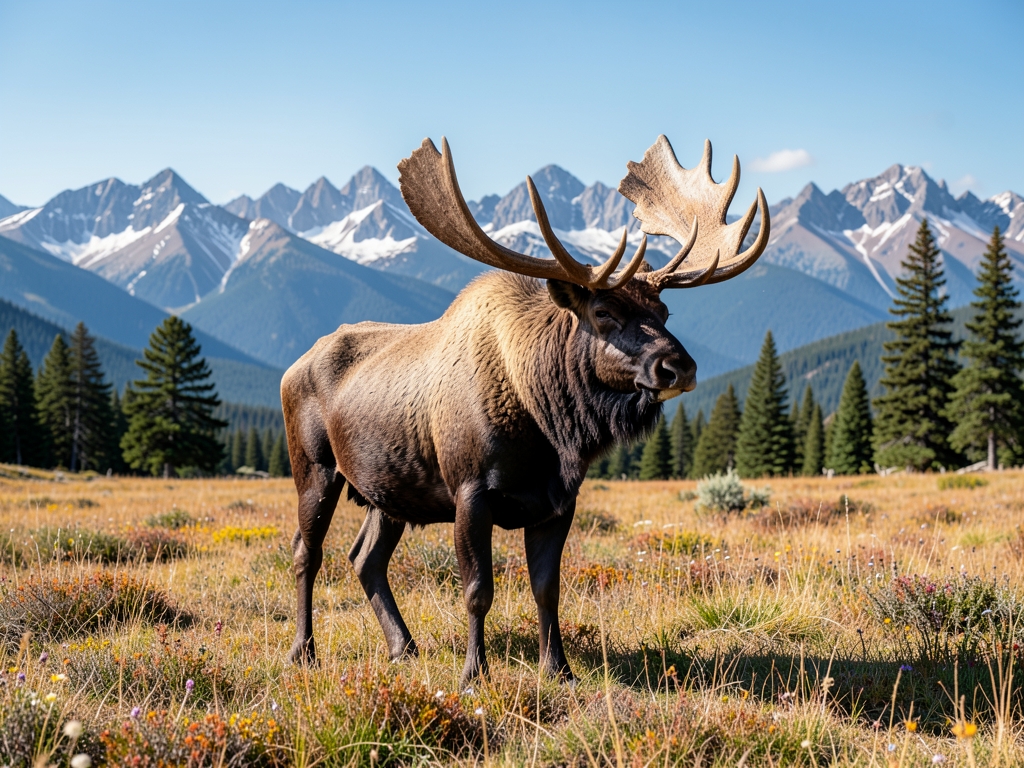
Utah’s iconic moose populations stand at a critical ecological crossroads as compounding environmental, climatic, and anthropogenic pressures reshape their historic mountain habitats. Long regarded as majestic symbols of North America’s rugged wilderness, these solitary giants are increasingly vulnerable to shifting weather patterns, rising ambient temperatures, expanding parasite loads, and intensifying recreational activities across the Intermountain West. Understanding the complex web of stressors affecting Utah moose requires a comprehensive examination of how biological thresholds intersect with modern land-use challenges.
Historically adapted to cold, snow-bound environments with abundant wetland vegetation and dense willow thickets, moose operate within strict physiological boundaries. Unlike elk or mule deer, which possess high thermal tolerance and flexible foraging habits, moose begin to experience severe physiological stress when ambient temperatures climb above freezing during winter or exceed comfortable thresholds in summer. This biological limitation makes them an invaluable indicator species for broader ecological shifts throughout high-altitude ecosystems in the western United States and across international mountain ranges experiencing accelerated warming trends.
The Physiological Toll of Climate Warming on Subalpine Mammals
Climate change acts as a primary threat multiplier for moose populations residing at the southern edge of their continental range. As average winter temperatures rise and snowpacks diminish, the traditional ecological buffers that protected these animals from heat stress and disease transmission begin to erode. Warmer winters fail to suppress parasite populations effectively, allowing winter ticks and other debilitating vectors to proliferate across vulnerable herds.
When ambient temperatures remain elevated, moose expend critical metabolic energy simply trying to stay cool rather than foraging or rearing young. Heat-stressed animals often seek refuge in dense timber stands or shaded stream corridors, restricting their feeding windows and leading to chronic nutritional deficits. Over time, these cumulative physiological strains manifest as lower calf survival rates, reduced body weights, and increased susceptibility to secondary infections. Biologists monitoring regional herds note that prolonged drought conditions further diminish the availability of high-quality aquatic plants and riparian shrubs rich in essential minerals.
Parasite Pressures and the Winter Tick Epidemic
Among the most immediate biological threats facing modern moose populations is the relentless burden of parasitic infestations, most notably the winter tick (Dermacentor albipictus). Unlike common wood ticks that use multiple hosts throughout their life cycle, winter ticks spend their entire parasitic phase on a single host—frequently numbering in the tens of thousands on a single moose.
During warm autumns and shortened winters, tick larvae remain active longer on vegetation, successfully attaching to passing hosts in unprecedented numbers. As these parasites feed heavily on blood throughout the winter months, infested moose experience severe anemia, hypothermia, and behavioral exhaustion. Driven by intense irritation, animals rub frantically against tree trunks to dislodge the pests, stripping away their thick winter coats in the process. This loss of insulation leaves them exposed to freezing winds and sub-zero temperatures, drastically lowering survival rates, particularly among calves and yearling individuals.
Recreation Pressures and Habitat Fragmentation
Beyond natural environmental stressors, the rapid expansion of human recreation and landscape development introduces profound disturbances into critical moose habitats. Utah’s mountains attract millions of outdoor enthusiasts annually, leading to increased backcountry traffic, winter snowmobiling, backcountry skiing, mountain biking, and all-terrain vehicle use across historic wildlife corridors.
Human-induced habitat fragmentation isolates distinct moose subpopulations, restricting gene flow and limiting their ability to migrate seasonally between high-elevation summer ranges and lower winter valleys. When winter recreationists push deep into sheltered basins, they frequently flush resting moose from crucial thermal cover. This forced movement burns vital fat reserves during a season when energy conservation is paramount for survival. Furthermore, expanding infrastructure, rural residential development, and busy mountain highways heighten the risk of vehicle collisions, presenting direct mortality risks to transient animals navigating fragmented landscapes.
Management Strategies and Conservation Outlook
Protecting the future of Utah’s moose requires proactive, multi-faceted conservation frameworks that integrate scientific research, habitat restoration, and thoughtful wildlife management policies. State wildlife agencies and conservation organizations are increasingly focusing on safeguarding riparian zones, restoring degraded willow communities along mountain streams, and preserving unfragmented wildlife corridors that allow animals to move freely in response to changing climatic conditions.
Conserving high-altitude wildlife requires looking beyond isolated boundaries to protect the interconnected watersheds, riparian zones, and migration corridors that sustain regional biodiversity.
Monitoring herd health through radio-collaring, parasite surveillance, and rigorous aerial surveys enables researchers to track population trends and identify emerging vulnerabilities before they result in catastrophic declines. Additionally, implementing seasonal restrictions on motorized recreation in sensitive wintering areas helps mitigate human disturbance during critical biological windows. Public education campaigns also play an essential role, encouraging outdoor recreationists to maintain respectful distances from wildlife and support local conservation initiatives.
Why are moose particularly vulnerable to rising temperatures?
Moose possess dense winter coats and large bodies adapted specifically for cold subalpine environments. They lack efficient physiological mechanisms to dissipate excess body heat, causing them to experience severe thermal stress when ambient temperatures remain elevated.
How do winter ticks impact moose survival during warmer years?
Shorter, warmer winters allow winter tick populations to thrive and attach to hosts in massive numbers. As tens of thousands of ticks feed on a single animal, the moose suffers from severe anemia, hair loss from rubbing, and lethal exposure to cold weather.
What role does human recreation play in moose habitat degradation?
Expanding backcountry recreation, snowmobiling, and all-terrain vehicle use frequently flush resting moose from critical thermal and security cover, forcing them to expend vital fat reserves during harsh winter months.
What conservation measures are being implemented to protect regional herds?
Conservation efforts focus on restoring degraded riparian willow habitats, protecting connected migration corridors, monitoring herd health through scientific research, and establishing seasonal recreation limits in sensitive wintering areas.
Conclusion
The mounting pressures confronting Utah’s moose populations highlight the delicate balance linking wild animal health with broader environmental stability. As climate change, parasite proliferation, and recreational expansion continue to test the resilience of these mountain ecosystems, comprehensive and science-driven conservation responses remain essential. By safeguarding critical habitats, reducing anthropogenic disturbances, and maintaining rigorous population monitoring, wildlife managers can help ensure that these magnificent mammals endure across North America's shifting landscapes for generations to come.
