

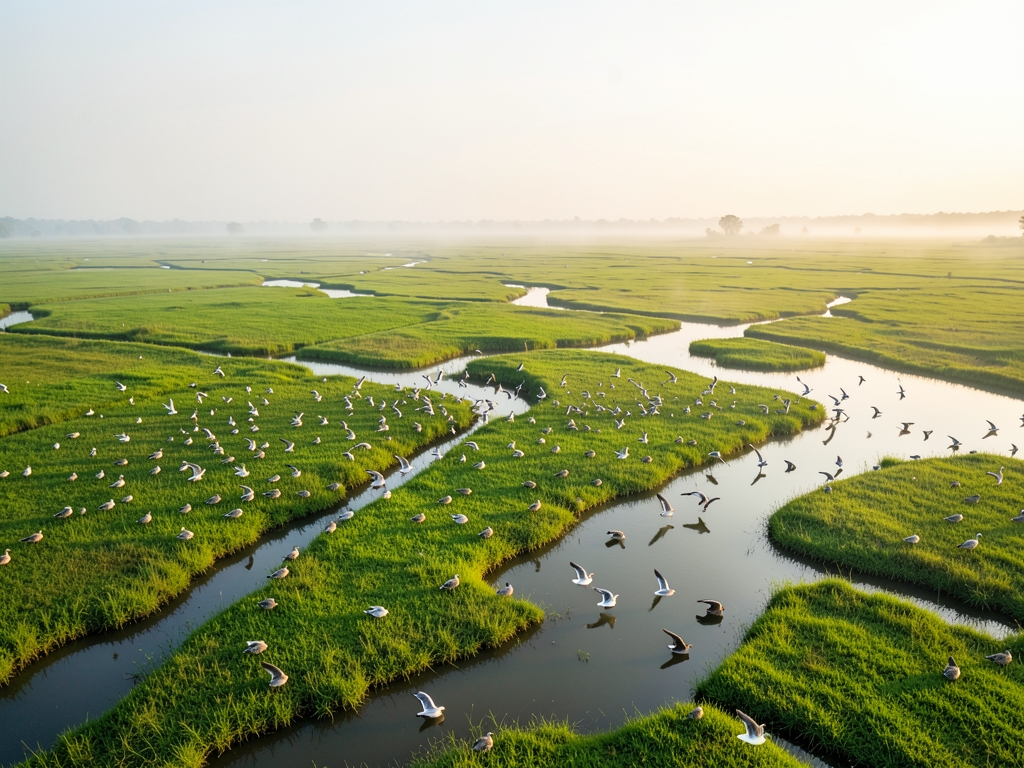
Wetlands serve as the pulsating heart of regional ecosystems, acting as critical carbon sinks, natural water filtration systems, and irreplaceable havens for migratory bird species. Across the globe, environmental authorities and local conservationists face mounting pressures to safeguard these fragile aquatic landscapes from encroaching human activity, agricultural expansion, and climate shifts. In the northeastern Indian state of Assam, a significant ecological milestone has recently taken shape following an exhaustive wildlife census. The Assam Forest Department and local conservation networks have officially initiated proceedings to secure prestigious Ramsar Convention status for the Roumari-Donduwa Wetlands, a crucial move catalyzed by a landmark census recording over 47,000 birds within the area.
Understanding the Ecological Significance of the Roumari-Donduwa Wetlands
The Roumari-Donduwa Wetlands represent a vibrant, complex mosaic of shallow water bodies, reedy marshes, and seasonally flooded grasslands that provide optimal wintering and breeding grounds for a diverse array of avian fauna. Situated within the ecologically rich Brahmaputra River basin, these wetlands function as a biological nexus where resident species mingle with countless migratory travelers traversing the Central Asian Flyway.
For decades, local communities have recognized the intrinsic value of these water bodies, relying on them for sustainable fishing practices and natural groundwater recharge. However, growing industrialization, shifting weather patterns, and agricultural runoff have threatened the delicate equilibrium of this aquatic habitat. Securing Ramsar designation—an international treaty framework established under the auspices of UNESCO—provides a robust legal mechanism to elevate protection standards, mobilize federal conservation funding, and foster international cooperation for long-term ecological preservation.
Info! The Ramsar Convention, signed in the Iranian city of Ramsar in 1971, is the sole global intergovernmental treaty dedicated specifically to the conservation and wise use of wetland ecosystems.
The 47,000-Bird Count: A Catalyst for Action
The formal push toward international recognition did not happen in a vacuum. It follows a meticulously coordinated wildlife census conducted by ornithologists, forestry officials, and volunteer citizen scientists. This comprehensive avian survey documented an astonishing population exceeding 47,000 birds inhabiting the Roumari-Donduwa ecosystem during peak seasonal migration windows.
The census revealed not only high quantitative abundance but also remarkable species diversity, including several globally threatened and vulnerable waterfowl species. Among the recorded inhabitants are rare migratory ducks, elusive wading birds, and specialized raptors that depend entirely on undisturbed wetland habitats for survival. This definitive data collection provided the empirical evidence needed to demonstrate the global ecological significance of the Roumari-Donduwa site, satisfying the rigorous criteria required for Ramsar nomination.
Procedural Steps Toward International Ramsar Designation
Achieving official Ramsar status is a multi-tiered administrative process that demands extensive scientific documentation, stakeholder engagement, and governmental commitment. The process initiated by Assam authorities involves several key operational phases:
- Comprehensive Biodiversity Mapping: Compiling exhaustive inventories of flora, fauna, and hydrological characteristics to demonstrate meeting at least one of the nine Ramsar identification criteria.
- Local Stakeholder Consultation: Engaging local fishing communities, farmers, and indigenous groups to ensure that conservation policies respect traditional livelihoods while enforcing sustainable resource management.
- Drafting the Ramsar Information Sheet (RIS): Preparing detailed technical dossiers outlining the ecological, botanical, zoological, and hydrological attributes of the wetlands for submission to national environmental ministries.
- Federal and International Review: Forwarding the ratified nomination through national conservation agencies to the Ramsar Convention Secretariat for final evaluation and inclusion on the List of Wetlands of International Importance.
Balancing Human Communities and Wildlife Conservation
A successful conservation framework must balance the preservation of wildlife with the socioeconomic needs of local human populations who depend on the surrounding landscape for sustenance. The management plans currently being formulated for the Roumari-Donduwa Wetlands emphasize community-based conservation models. By integrating local villagers into monitoring teams, anti-poaching patrols, and eco-tourism initiatives, the administration aims to foster a shared sense of stewardship.
Furthermore, sustainable agricultural buffers are being designed to minimize chemical runoff into the water channels. These protective zones act as natural filters, trapping excess nitrogen and phosphorus before they can induce eutrophication—a process that depletes oxygen levels and devastates aquatic life. Educational programs are also being rolled out across regional schools to instill a deep appreciation for local biodiversity among younger generations.
| Conservation Metric | Historical Status | Proposed Ramsar Status |
|---|---|---|
| Legal Protection Level | State-level forest and water regulations | International treaty-level protection |
| Funding Access | Regional budgetary allocations | Federal and international conservation grants |
| Monitoring Rigor | Periodic local surveys | Standardized global ecological monitoring |
| Community Involvement | Informal traditional use | Structured co-management and eco-tourism |
Broader Implications for Assam’s Wetland Ecosystems
Assam is home to numerous vital wetland systems, locally known as *beels*, which play an indispensable role in mitigating seasonal floods and sustaining regional microclimates. However, climate change has introduced unprecedented volatility, characterized by erratic monsoon cycles, prolonged dry spells, and intensified storm events. By securing international recognition for flagship sites like Roumari-Donduwa, environmental planners hope to establish a successful template that can be replicated across other threatened water bodies in the Brahmaputra valley.
Protecting wetlands is not merely about preserving birds and water plants; it is about fortifying the natural buffers that protect human settlements against the escalating shocks of global climate instability.
The formal recognition process also elevates the profile of regional biodiversity on the global stage, attracting specialized researchers, ecological tourists, and international conservation partnerships. This influx of expertise and attention can accelerate habitat restoration efforts, combat invasive plant species such as water hyacinth that choke native waterways, and secure long-term funding streams for ecological resilience.
What is a Ramsar site?
A Ramsar site is a wetland designated of international importance under the Ramsar Convention, an intergovernmental environmental treaty signed in 1971 that promotes the conservation and sustainable use of wetland habitats worldwide.
Why are the Roumari-Donduwa Wetlands seeking this status?
The move follows a comprehensive wildlife census that recorded over 47,000 birds in the area, highlighting its exceptional ecological importance as a vital habitat for migratory and resident avian species that requires enhanced international protection.
How will local communities be affected by the designation?
Local communities will be integrated through co-management frameworks and eco-tourism initiatives, ensuring that traditional livelihoods are respected and supported while sustainable resource management practices are enforced.
What benefits does Ramsar status bring to a wetland?
Ramsar status elevates the legal protection of the site, grants access to federal and international conservation funding, improves ecological monitoring standards, and encourages global cooperation for long-term habitat preservation.
Conclusion
The proactive initiative by Assam to secure Ramsar status for the Roumari-Donduwa Wetlands marks a pivotal step forward in regional conservation strategy. Supported by empirical data from a massive 47,000-bird count, this endeavor underscores the growing commitment of local authorities and environmental scientists to shield critical habitats from anthropogenic and climatic pressures. As the nomination moves through administrative channels, the success of Roumari-Donduwa will likely serve as a powerful beacon for wetland preservation across India and the broader international community, proving that rigorous scientific monitoring combined with community stewardship can secure a sustainable future for our planet's most vulnerable ecosystems.
