

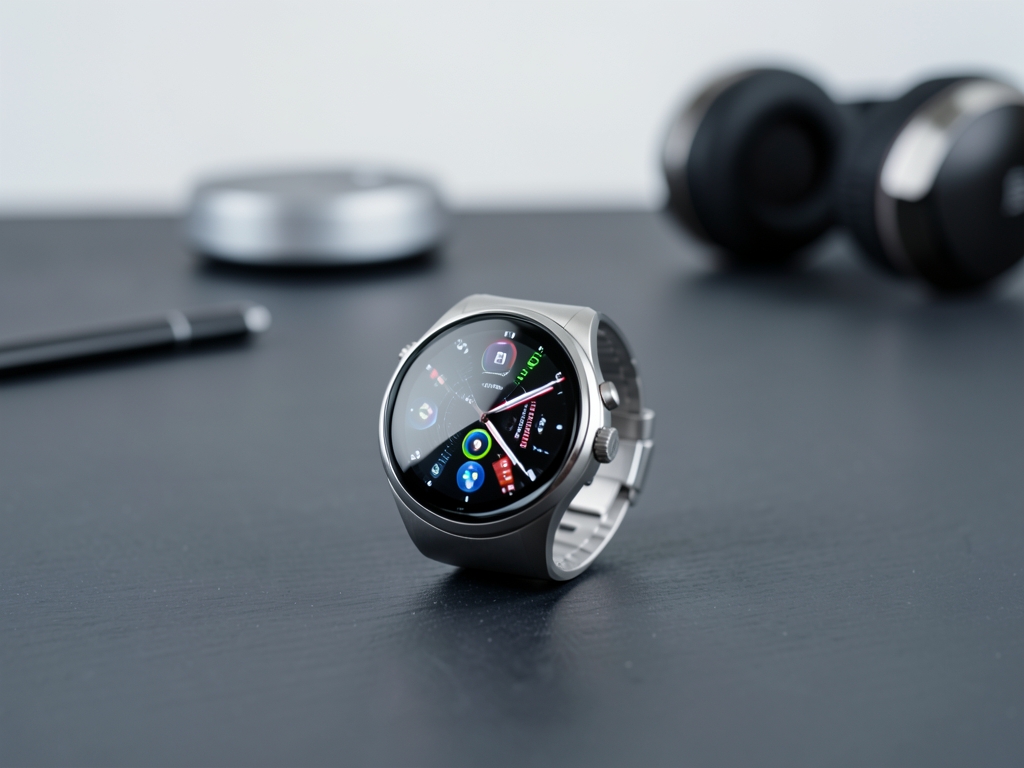
The wearable technology market has experienced a significant shift in recent years, moving away from devices that require daily charging toward robust hardware capable of sustaining multi-day usage without interruption. In this evolving landscape, manufacturers are continually pushing the boundaries of display brightness, power efficiency, and physical durability. The latest entrant in this competitive category aims to redefine consumer expectations by combining an ultra-bright outdoor screen with a phenomenal multi-day power cell. Understanding the engineering achievements behind such releases helps buyers navigate an increasingly crowded marketplace filled with diverse fitness trackers and smartwatches.
Modern consumers demand hardware that can withstand intense sunlight, track complex health metrics accurately, and operate seamlessly through busy work weeks and weekend excursions. Historically, achieving high peak brightness levels meant sacrificing battery longevity, as luminous panels drain power reserves rapidly. The introduction of advanced LTPO display architectures and efficient dual-chip processing platforms has begun to bridge this technical divide. Examining the specific specifications and operational capabilities of the latest flagship wearable reveals how modern engineering solves long-standing power management challenges in compact form factors.
Engineering Breakthroughs in Display Technology
One of the most striking physical characteristics of the newly launched device is its incorporation of an exceptionally luminous screen capable of reaching a remarkable peak brightness of 3,000 nits. Outdoor visibility has traditionally been a primary pain point for smartwatch users, especially in direct sunlight during athletic training or outdoor navigation. By utilizing advanced panel materials and intelligent ambient light sensors, the hardware dynamically adjusts its output to ensure legibility in virtually any environmental condition.
Beyond raw luminance, the integration of low-polycrystalline oxide technology allows the screen refresh rate to scale downward dynamically during static viewing states. This preservation mechanism minimizes unnecessary energy consumption when the user simply checks the time or reads a notification. Coupled with durable curved sapphire protective glass, the display architecture balances aesthetic elegance with industrial resilience against everyday impacts, scratches, and dust intrusion.
Power Management and Battery Longevity
Battery endurance remains the most critical metric for wearable device satisfaction among international consumers. While many competing flagships struggle to surpass twenty-four to forty-eight hours of continuous operation, recent hardware innovations have unlocked unprecedented endurance milestones. The newly revealed wearable achieves an astounding ten-day battery life under typical usage scenarios, a feat made possible by a dual-engine architecture that separates high-performance tasks from background sensor monitoring.
Info! Achieving extended battery life requires a combination of high-capacity physical power cells and intelligent software algorithms that suspend background sync routines during periods of inactivity.
When high-demand applications such as standalone GPS tracking, continuous heart rate monitoring, and blood oxygen saturation tracking are engaged simultaneously, power consumption naturally increases. However, optimized power-saving modes allow the device to maintain essential timekeeping and step-counting functions for days even after dipping below critical energy thresholds. Rapid charging support further mitigates downtime, allowing users to replenish a significant percentage of their battery capacity during short morning routines.
Comprehensive Health and Fitness Tracking Capabilities
Beyond hardware durability and power efficiency, modern smartwatches serve as comprehensive physiological monitoring hubs. The integration of multi-wavelength optical sensors enables continuous tracking of cardiovascular health, sleep stages, and respiratory metrics. These sensors are supported by sophisticated machine-learning algorithms that filter out motion artifacts caused by physical exercise, ensuring greater data accuracy.
Fitness enthusiasts benefit from dozens of dedicated sports modes, ranging from standard running and cycling routines to specialized water sports and winter activities. Built-in dual-band GPS receivers provide precise route mapping without requiring a tethered smartphone, making the device an ideal companion for outdoor adventurers and urban commuters alike. Data synchronization occurs seamlessly across companion applications, offering users detailed weekly trends and actionable recovery insights.
Connectivity and Smart Ecosystem Integration
Seamless communication forms the backbone of any successful wearable ecosystem. The hardware supports advanced wireless protocols, ensuring stable pairing with both Android and iOS smartphones. Users can manage incoming communications, reply to messages using voice-to-text conversion or predefined quick responses, and control media playback directly from their wrist.
Furthermore, local music storage allows users to pair wireless earbuds directly with the watch for phone-free listening during workouts. Contactless payment capabilities add another layer of daily convenience, enabling secure transactions without needing a physical wallet or smartphone present. Software update support ensures that security patches and feature enhancements are delivered regularly throughout the device's lifecycle.
| Feature Category | Specification Details | User Benefit |
|---|---|---|
| Display Panel | Advanced LTPO OLED with 3,000-Nit Peak Brightness | Flawless outdoor readability under direct sunlight |
| Battery Endurance | Up to 10 Days in Typical Usage Mode | Eliminates the need for daily charging routines |
| Build Materials | Aerospace-grade alloy frame with sapphire glass | Enhanced scratch and impact resistance |
| Health Sensors | Multi-wavelength optical PPG and dual-band GPS | Precise fitness tracking and accurate route mapping |
Evaluating Market Position and Consumer Value
The release of high-end wearables with exceptional battery longevity and advanced display technologies alters the competitive dynamics of the consumer electronics industry. Buyers who previously hesitated to adopt smartwatches due to frequent charging requirements now have viable alternatives that bridge the gap between traditional mechanical timepieces and feature-rich digital assistants.
The convergence of ultra-bright displays and week-long battery endurance represents a defining milestone in the evolution of consumer wearable technology.
When selecting a new wearable device, consumers should carefully weigh their specific daily requirements. Those who prioritize outdoor visibility and minimal maintenance will find immense value in hardware equipped with high-nit panels and multi-day power cells. Assessing build quality, software ecosystem compatibility, and sensor accuracy ensures a satisfying long-term investment.
How does the OPPO Watch 5 achieve a ten-day battery life?
The device utilizes a sophisticated dual-engine architecture that pairs a high-capacity power cell with efficient processing chips, allowing background tasks and power-heavy functions to be managed dynamically without draining the battery.
Is the 3,000-nit display visible in bright sunlight?
Yes, the high peak brightness of 3,000 nits combined with intelligent ambient light sensors ensures that the screen remains exceptionally sharp and legible even under direct outdoor sunlight.
Does the smartwatch support both Android and iOS devices?
The smartwatch features broad wireless compatibility protocols designed to pair smoothly with both modern Android smartphones and Apple iOS devices through its companion application.
What health and fitness tracking sensors are included?
It includes multi-wavelength optical PPG sensors for continuous heart rate and blood oxygen monitoring, sleep stage tracking, and dual-band GPS for precise outdoor route mapping.
Conclusion
The launch of advanced wearables equipped with ultra-bright displays and extended power reserves marks a maturing phase in mobile technology. By addressing core user complaints regarding outdoor visibility and frequent recharging, manufacturers are setting new benchmarks for the industry. Whether you are an avid athlete, a busy professional, or a tech enthusiast looking for reliable daily assistance, understanding these hardware innovations ensures you make an informed choice for your next wearable investment.
