

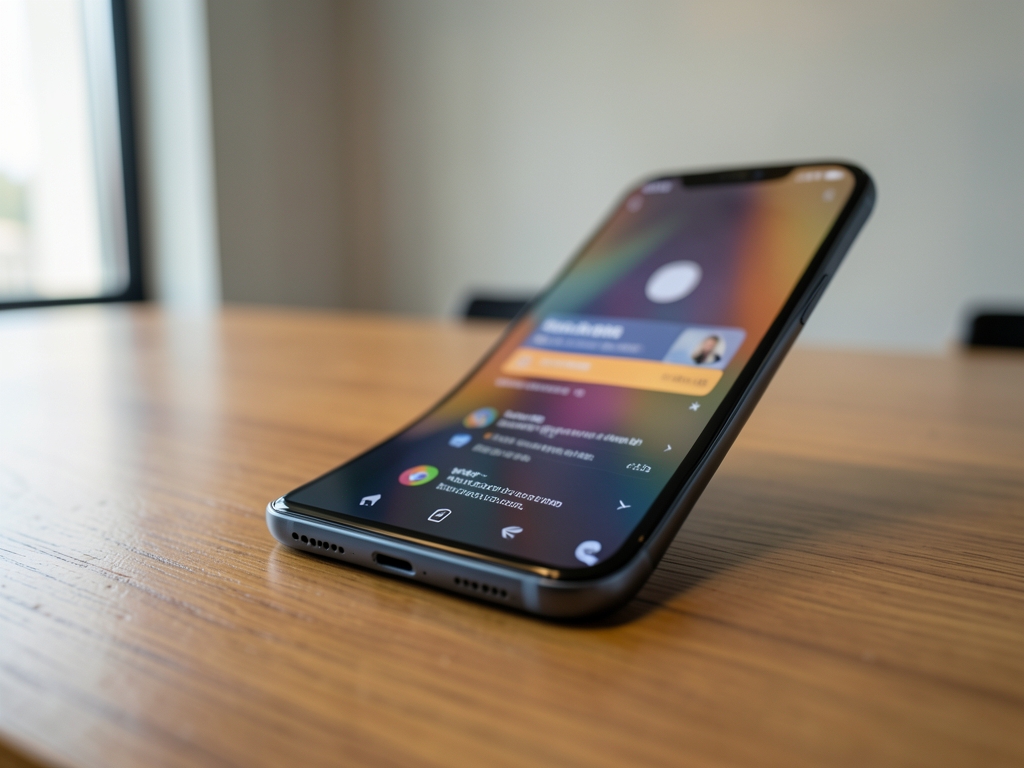
Mobile security has once again taken center stage following recent industry alerts regarding sophisticated vulnerabilities affecting modern operating systems. Major cryptocurrency exchanges and cybersecurity researchers frequently monitor mobile platforms for potential weaknesses that could compromise user assets. Understanding how these security flaws manifest, what technical components are targeted, and how device owners can safeguard their digital property is essential for anyone utilizing smartphones for financial transactions or asset storage.
The relationship between mobile operating system architecture and decentralized financial applications requires robust cryptographic protections. When critical software bugs or architectural gaps are discovered, hardware manufacturers and application developers must coordinate rapidly to deploy security patches. For international smartphone users in Europe, the United States, and beyond, staying informed about these developments helps maintain digital resilience against emerging threats.
Understanding Mobile Operating System Security Architecture
Modern smartphones rely on heavily sandboxed operating systems designed to isolate applications from one another and protect sensitive system memory. Operating system kernels manage permissions, hardware access, and cryptographic operations. However, complex software code inevitably contains edge cases or unintended pathways that sophisticated threat actors might attempt to exploit.
Cryptocurrency wallets installed on mobile devices depend heavily on secure enclaves, encrypted local storage, and secure enclave processors to store private keys and authorization credentials. When a vulnerability emerges in the underlying system framework, it can potentially bypass standard isolation protocols. This does not automatically mean every device is compromised, but it underscores the importance of prompt software updates and proactive defense strategies.
Info! Official security advisories are regularly published by major software vendors and financial platforms to inform users of necessary updates and mitigation steps.
The Role of Major Platforms and Exchange Warnings
Cryptocurrency exchanges maintain dedicated security operations centers that monitor network traffic, application integrity, and platform interactions. When abnormal patterns or newly disclosed operating system vulnerabilities surface, exchanges often issue timely warnings to protect their user base. These announcements are designed to raise awareness before malicious actors can weaponize a newly discovered flaw at scale.
Users are frequently advised to enable two-factor authentication, utilize hardware security keys where possible, and avoid storing unencrypted seed phrases or private keys within cloud backup services or plain-text notes applications. Financial platforms emphasize that proactive user hygiene remains the first line of defense against sophisticated digital attacks.
Practical Steps to Protect Your Mobile Crypto Wallet
Securing digital assets on a smartphone requires a multi-layered approach that combines system-level updates with rigorous personal security habits. Implementing these measures significantly reduces the likelihood of unauthorized access or credential exposure.
- Keep your operating system and all security patches fully updated to the latest available version released by the manufacturer.
- Verify that all financial and cryptocurrency applications are downloaded exclusively from official app stores like Apple's App Store or Google Play.
- Enable hardware-backed multi-factor authentication and biometric security locks for every financial application on your device.
- Never store private keys, seed phrases, or master passwords in unencrypted cloud notes, text messages, or photo libraries.
- Review app permission settings periodically to revoke unnecessary access to local storage, contacts, and network services.
Evaluating Hardware Security Versus Software Convenience
The eternal debate in consumer technology centers on the balance between seamless convenience and absolute security. Software wallets on mobile phones offer unmatched accessibility, allowing users to execute transactions, check balances, and manage portfolios instantly from anywhere in the world. This convenience, however, introduces attack surfaces connected to network interfaces, web browsers, and background processes.
For long-term storage of significant cryptocurrency holdings, hardware wallets—often referred to as cold storage devices—remain the gold standard. These dedicated physical devices keep private keys completely offline, isolated from internet connectivity and smartphone operating system vulnerabilities. Mobile wallets are best utilized for daily transactions, smaller balances, and active trading, where speed and accessibility outweigh the need for cold storage isolation.
Security is not a static product you purchase once, but an ongoing process of updates, vigilance, and adherence to established digital hygiene principles.
Analyzing Recent iOS Security Advisories and Response Times
When software vulnerabilities are identified in Apple's iOS ecosystem, the tech giant typically deploys rapid security responses and incremental system updates to resolve bugs and patch exploits. Cybersecurity researchers analyze these patches to understand how the vulnerability functioned and whether malicious actors successfully exploited it in the wild.
Users are encouraged to verify their device build numbers and install updates immediately upon release. Delaying system updates leaves known vulnerabilities exposed on the device, increasing risk exposure as automated exploit tools evolve across the digital landscape.
| Security Practice | Effectiveness | Implementation Difficulty |
|---|---|---|
| Operating System Updates | High | Very Easy |
| Hardware Cold Storage | Maximum | Moderate |
| Biometric Authentication | High | Very Easy |
| Seed Phrase Offline Backup | Maximum | Easy |
The Broader Impact on Mobile Financial Technology
The integration of financial services into mobile operating systems continues to accelerate worldwide. As digital wallets, decentralized finance protocols, and banking applications converge on smartphones, the responsibility of securing the underlying architecture grows exponentially. Manufacturers, software developers, and financial institutions must collaborate continuously to establish rigorous security standards.
Consumers benefit from this technological evolution, provided they remain aware of potential risks. Recognizing that no system is entirely infallible allows users to adopt realistic security postures, separating everyday transaction funds from long-term digital wealth.
What should I do if a major crypto exchange warns about an iOS security flaw?
Immediately check for and install the latest official operating system updates provided by your device manufacturer. Review your wallet security settings and avoid interacting with untrusted links or third-party installation prompts until the vulnerability is fully patched.
Are mobile cryptocurrency wallets safe for storing large amounts of digital assets?
While mobile wallets are convenient for daily transactions and active trading, storing large amounts of cryptocurrency is generally recommended on dedicated offline hardware cold storage devices to minimize exposure to online threats and operating system flaws.
How often should I check for smartphone system and security updates?
You should enable automatic updates on your smartphone or manually check for updates at least once a week. Prompt installation of security patches is critical for protecting your device against newly discovered exploits.
Is it safe to store my wallet recovery seed phrase in my phone's photo library?
No, storing recovery seed phrases, private keys, or passwords in photo libraries, cloud notes, or screenshots is extremely dangerous. If your device or cloud account is compromised, attackers gain immediate access to all your funds.
Maintaining vigilance in the face of evolving digital threats ensures that mobile technology remains a powerful, empowering tool for personal finance and global communication. By prioritizing verified software updates, robust authentication methods, and prudent asset distribution, users can navigate the modern smartphone landscape with confidence and security.
